You might wonder if there is a real difference between Sheetrock vs Drywall. Sheetrock is actually a brand name for drywall, so you will find that most people use both terms to describe the same material. For your next DIY project or home repair, you do not need to stress over the name.
If you visit your local hardware store, you will see both names used. The distinction is minimal for most homeowners.
الوجبات الرئيسية
- Sheetrock is a brand name for drywall, which is a general term for a building material made from gypsum plaster. Both terms are often used interchangeably.
- 在选择 Sheetrock 和其他石膏板品牌时,请考虑成本、可用性以及防潮或防火等具体需求等因素。
- Sheetrock panels are known for their quality and reliability, making them a preferred choice for contractors, especially in demanding environments.
- Both Sheetrock and drywall come in various types and thicknesses, allowing you to select the right option for your project, whether it’s for standard walls or specialty needs.
- Always check for safety certifications when purchasing drywall products to ensure they meet health and safety standards.
Sheetrock vs. Drywall Overview
When you start a home improvement project, you will likely hear the terms sheetrock and drywall. Many people wonder if there is a real difference between the two. You should know that drywall is a general term for a building material made from gypsum plaster pressed between two thick sheets of paper. Sheetrock is a specific brand of drywall produced by the U.S. Gypsum Company.
You can think of sheetrock as the “Kleenex” of the drywall world. The brand became so popular that many people use the name sheetrock to describe any drywall panel. This confusion is common, especially when you shop for materials or talk to contractors. Most stores and professionals use sheetrock vs drywall interchangeably.
Let’s look at how these materials developed over time:
| Year/Period | Event Description |
|---|---|
| Early 20th Century | Sackett Board, the first version of drywall, was introduced. |
| Post WWI | Sheetrock panels became popular in government buildings for their fireproofing. |
| 1933-1934 | USG supplied most of the gypsum wallboard at the Chicago World’s Fair. |
| WWII | Sheetrock was used in military bases, boosting its reputation. |
| 1966 | Urban rehab projects used sheetrock, increasing its visibility. |
| 2017 | Sheetrock celebrated 100 years as a leading drywall brand. |
You might ask why sheetrock vs drywall became such a big topic. The answer lies in branding and reputation. Sheetrock earned a reputation for quality and reliability. Contractors often choose sheetrock because it meets strict manufacturing standards and offers specialized options like moisture-resistant or fire-protected panels. Other drywall brands may cost less, but they sometimes have higher defect rates or fewer specialty choices.
Here’s a quick comparison:
| الميزة | Sheetrock | Other Drywall Brands |
|---|---|---|
| Quality Control | Stricter standards | متفاوتة |
| Specialized Options | Many (fire, moisture, etc.) | Fewer |
| Cost per Square Foot | Slightly higher | Lower |
| Safety Testing | Meets top standards | متفاوتة |
| Defect Rate | Lower | Sometimes higher |
You will find that both sheetrock and drywall serve the same purpose. They create smooth walls and ceilings in homes and buildings. The main difference comes down to branding. Sheetrock stands out for its reputation and quality, while drywall refers to the general product.
Professionals define drywall as a panel made of gypsum plaster covered with heavy paper. You may also hear it called wallboard, plasterboard, or gypsum board. Sheetrock is simply a brand name for this type of panel. Both come in different thicknesses and types, including standard, fire-resistant, and water-resistant options.
- Drywall was invented in 1916 as a faster alternative to plaster.
- Sheetrock panels became popular during and after World War II.
- USG’s marketing and participation in major projects helped make sheetrock a household name.
Tip: When you see sheetrock vs drywall at your local store, remember that both will work for most projects. You can choose based on price, availability, or personal preference.
For most homeowners, the terms sheetrock vs drywall mean the same thing. You can use either for your next renovation or repair. The choice often depends on what is available in your area or what your contractor prefers.
What Is Sheetrock?
Sheetrock is a popular building material you will see in homes, schools, and offices. You use sheetrock to create smooth walls and ceilings. The U.S. Gypsum Company introduced sheetrock over a century ago. Today, contractors and homeowners trust sheetrock for its quality and reliability.
Sheetrock starts with gypsum, a natural mineral. Manufacturers press gypsum between two thick sheets of paper. This process creates a sturdy panel. Sheetrock stands out because the company uses proprietary ingredients and special manufacturing tweaks. These changes can make sheetrock lighter, stronger, or more resistant to mold and fire.
You will find sheetrock in many thicknesses. Each thickness serves a different purpose in residential construction.
| السُمك | Common Use in Residential Construction |
|---|---|
| 1/2 in. | Most commonly used for walls |
| 5/8 in. | Used for ceilings and fire-rated areas |
| 3/8 in. | Less common, used in specific applications |
| 1/4 in. | Used for curved surfaces |
Sheetrock panels come in several types. You can choose standard sheetrock for most rooms. If you need extra protection, you can select fire-resistant or moisture-resistant sheetrock. Some sheetrock panels are lighter, which makes them easier to carry and install.
You may wonder why sheetrock is so popular. The answer is simple. Sheetrock offers consistent quality and meets strict safety standards. You can trust sheetrock to perform well in your home. Sheetrock also provides options for special needs, such as bathrooms or kitchens.
Tip: When you shop for building materials, ask for sheetrock by name if you want a trusted product. You will see sheetrock in most hardware stores.
Sheetrock helps you finish your project faster. You can cut, shape, and install sheetrock with basic tools. Sheetrock gives you a smooth surface for paint or wallpaper. You will see sheetrock in almost every modern home.
What Is Drywall?
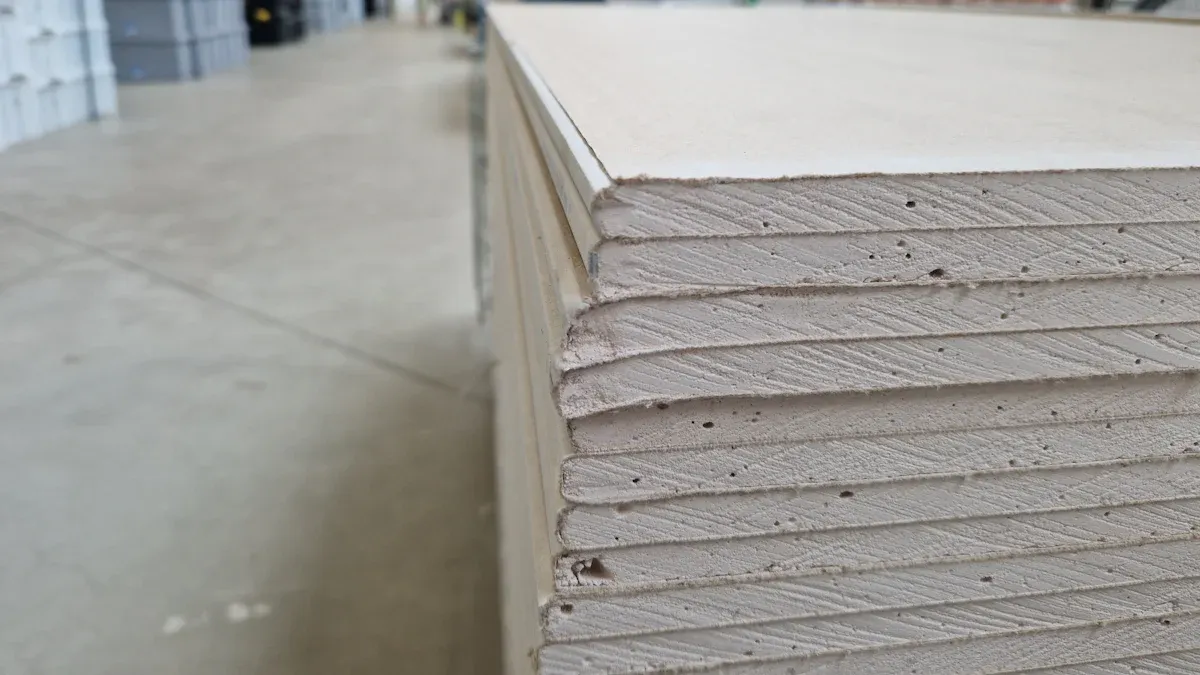
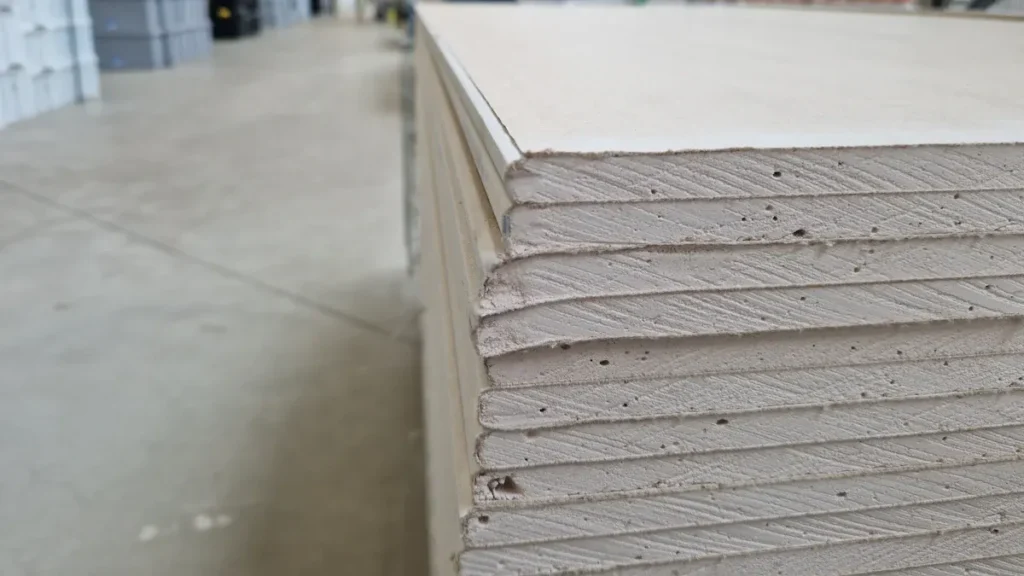
You see drywall in almost every modern building. Drywall creates smooth walls and ceilings in homes, schools, and offices. You use drywall because it is easy to install, finish, and repair. Builders prefer drywall for its speed and efficiency compared to older methods like plaster.
Drywall panels have a simple structure. Manufacturers use three main materials to make drywall:
- Gypsum core: This mineral forms the heart of drywall. It resists fire and gives panels their strength.
- Paper facing: Heavy-duty paper covers both sides of the gypsum. It adds stability and creates a smooth surface for paint or wallpaper.
- Additives: Some drywall includes fiberglass or water-resistant compounds. These improve durability and help drywall perform better in kitchens, bathrooms, or basements.
You can see these materials compared in the table below:
| المواد | الوصف |
|---|---|
| Gypsum | A naturally occurring mineral that serves as the main component of drywall, known for its fire-resistant properties. |
| Paper | Used to encase the gypsum core, providing structural stability and a smooth surface for finishing. |
| Additives | Various substances like starch and foaming agents that enhance the properties of drywall, including moisture resistance and durability. |
Drywall comes in many sizes and thicknesses. You choose the right type based on your project. Standard drywall works for most rooms. You pick moisture-resistant drywall for bathrooms or laundry areas. Fire-rated drywall protects garages and furnace rooms.
You may wonder how drywall compares to Sheetrock. Both use gypsum as the core material. Sheetrock adds special compounds for extra strength and durability. Drywall uses standard gypsum and paper facing. Some drywall brands offer moisture resistance, but Sheetrock often performs better in tough conditions.
You install drywall with basic tools. You cut panels to size, attach them to wall studs, and finish seams with joint compound. Drywall gives you a flat surface for paint, tile, or wallpaper. You can repair small holes or cracks with simple patch kits.
Tip: When you shop for building supplies, ask for drywall by type and thickness. You will find options for every room and need.
Drywall remains the top choice for fast, affordable, and reliable wall construction. You benefit from its fire resistance, easy installation, and smooth finish.
When to Use Sheetrock vs. Drywall
Choosing between sheetrock and drywall depends on your project type and the specific applications you need. Both materials work well for most installations, but you should consider a few practical applications before making your decision.
Home Projects
You often face choices when planning home renovations. Sheetrock and drywall both offer reliable installation for walls and ceilings. You can use either for bedrooms, living rooms, or hallways. Most homeowners find that both materials perform well for standard drywall installation and repairs.
Consider these factors when selecting materials for home projects:
- Budget: Sheetrock sometimes costs more than other drywall brands. You should compare prices before purchasing.
- Location: Bathrooms and basements need moisture-resistant panels. Sheetrock offers specialized options for these areas.
- Features: If you want fire protection or mold resistance, look for panels with those features. Both sheetrock and drywall brands provide these choices.
You can use sheetrock for most sheetrock repairs and installations. Drywall repairs and installations also work well for common drywall applications in homes.
Commercial Use
You see drywall and sheetrock in offices, schools, and stores. Contractors often choose sheetrock for large installations because of its reputation for quality. Drywall installation in commercial buildings usually requires panels that meet fire codes and safety standards.
Sheetrock applications in commercial settings include:
- High-traffic areas where durability matters
- Spaces needing fire-rated panels
- Projects with strict building codes
Drywall applications in commercial buildings cover standard walls, partitions, and ceilings. You can select either material for most practical applications, but sheetrock sometimes offers more specialty options.
Specialty Needs
Some projects require unique solutions. You may need lightweight drywall for easier handling and faster installation. Sheetrock provides panels that are about 30% lighter, which helps reduce labor costs and makes installation simpler.
If indoor air quality concerns you, VOC-absorbing drywall removes harmful compounds from the air. Sheetrock offers this feature, making it ideal for hospitals, schools, or homes with sensitive occupants.
For specialty installations, consider:
- Lightweight panels for efficiency
- VOC-absorbing panels for better air quality
You can use sheetrock or drywall for most practical applications, but specialty needs may make sheetrock the better choice. Repairing sheetrock and drywall repairs follow similar steps, so you can select the material that fits your project best.
Tip: For most installations, you can choose either sheetrock or drywall. Specialty needs or local availability may guide your final decision.
Types of Sheetrock vs. Drywall
When you start a project, you need to know which type of sheetrock or drywall fits your needs. Manufacturers offer several options, each designed for specific environments and requirements. You can choose from regular panels for basic walls or specialty products for moisture and fire protection.
Here is a table that compares the most common types of sheetrock and drywall:
| النوع | Key Features | Best Applications |
|---|---|---|
| Regular (White) Drywall | Cost-effective, easy to install | Living rooms, bedrooms, ceilings |
| Green Board Drywall | Moisture resistant, not waterproof | Kitchens, laundry rooms |
| Blue Board Drywall | Mold and water resistant, ideal for plastering | Bathrooms, wet areas |
| Paperless Drywall | Fiberglass facing, resists mildew and mold | Basements, utility rooms |
| Purple Drywall | Enhanced moisture resistance | High humidity areas |
| Type X Drywall | Fire-resistant, thicker | Garages, kitchens, code-required spaces |
| Soundproof Drywall | Laminated, denser for noise reduction | Home theaters, bedrooms |
Sheetrock offers many of these types, including fire-rated sheetrock and moisture-resistant panels. You can find sheetrock designed for high humidity, which works well in bathrooms or basements. If you need extra fire protection, fire-rated sheetrock meets building codes and helps keep your home safe.
You should also consider specialty options. Paperless sheetrock uses fiberglass instead of paper, which discourages mold growth. Blue board sheetrock is best for rooms where you plan to apply veneer plaster. Soundproof sheetrock helps reduce noise between rooms.
Tip: Before you paint, use sheetrock priming or drywall priming to create a smooth, even surface. This step helps your finish last longer and look better.
You can select regular drywall for most rooms. For kitchens and bathrooms, moisture-resistant drywall works best. If you need to meet fire codes, choose fire-rated sheetrock or Type X drywall. Each type serves a purpose, so match your choice to your project’s needs.
You see that both sheetrock and drywall come in many varieties. Manufacturers design these products to solve common problems, such as moisture, fire, and noise. You can find the right panel for every space in your home or business.
Sheetrock vs. Drywall: Pros and Cons
When you compare sheetrock and drywall, you want to know which material fits your project best. Each option brings unique strengths and weaknesses. You should look at installation speed, durability, cost, and health concerns before you decide.
Here is a clear table that shows the main advantages and disadvantages of sheetrock:
| Advantages of Sheetrock | Disadvantages of Sheetrock |
|---|---|
| Quick installation (1-2 days) | Susceptible to water damage |
| Offers sound control with thicker walls | Paper backing can support mold growth |
| Provides fire resistance | Construction waste can reach 17% |
| Non-Sheetrock brands may emit sulfur gases | – |
You see that sheetrock gives you fast results. You finish walls in days, not weeks. The gypsum core helps protect your home from fire. Thicker sheetrock panels also block sound, which makes your rooms quieter. You avoid health risks because sheetrock does not emit sulfur gases, unlike some other drywall brands.
You should consider the drawbacks. Sheetrock can absorb water, which leads to soft spots and damage. The paper facing may allow mold to grow in damp areas. You also create waste when you cut panels to fit your space.
When you look at generic drywall, you notice some differences:
- You save money with generic drywall, which works well for basic projects.
- You find that drywall is easier to install for small repairs or quick jobs.
- You may not get the same durability or fire resistance as sheetrock, especially in tough environments.
- You need to check the quality of drywall before you buy, since some brands may not meet strict standards.
您应该根据自身需求进行选择。如果您追求可靠性和安全性,石膏板是最佳选择。如果您需要经济实惠的解决方案,石膏板则性价比很高。综合考虑项目规模、地点和长期目标,您才能做出最佳决策。
Tip: Always check for moisture-resistant or fire-rated panels when you work in bathrooms, kitchens, or garages. This step helps you avoid future problems.
Standard Size for Sheetrock and Drywall
When you plan a drywall installation or drywall repair, you need to know the standard sizes for Sheetrock panels and other drywall brands. Manufacturers design these panels to fit most building projects, so you can work quickly and avoid waste.
Sheetrock and other drywall brands offer similar dimensions. You find three main thicknesses in stores:
- ¼ inch panels work for curved surfaces or small repairs.
- ½ inch panels suit most walls in homes and offices.
- ⅝ inch panels provide extra strength and fire resistance, often used in ceilings or commercial spaces.
You also see standard panel sizes that make handling and installation easier. Most panels measure 4 feet wide, with lengths of 8, 12, or 16 feet. These sizes help you cover large areas with fewer seams, which means less finishing work.
Here’s a table that compares the standard dimensions for Sheetrock and other drywall brands:
| Type of Drywall | Thicknesses | Standard Dimensions |
|---|---|---|
| Sheetrock | ¼ in, ½ in, ⅝ in | 4′ x 8′, 4′ x 12′, 4′ x 16′ |
| Other Brands | ¼ in, ½ in, ⅝ in | 4′ x 8′, 4′ x 12′, 4′ x 16′ |
You notice that both Sheetrock panels and generic drywall panels follow the same sizing standards. This consistency means you can mix brands if needed, especially when local supply varies.
Tip: Choose longer panels like 4′ x 12′ or 4′ x 16′ for fewer seams and a smoother finish. Shorter panels, such as 4′ x 8′, work well for small rooms or DIY drywall repair.
You should measure your space before buying panels. This step helps you select the right size and thickness for your project. If you need specialty panels, such as moisture-resistant or fire-rated drywall, you still find these options in standard sizes.
Standard sizes make drywall installation faster and more efficient. You save time and reduce waste by picking the right panel for each job. Whether you use Sheetrock or another drywall brand, you get reliable results with these common dimensions.
Key Similarities and Differences
Materials and Construction
You will notice that sheetrock and drywall share the same core materials. Both use gypsum plaster pressed between two sheets of heavy paper. This method creates panels that are lightweight and easy to install. You cut the panels to fit your space, attach them to wall framing, and finish the seams with joint compound. Most brands follow this construction process, so you get similar results whether you choose sheetrock or another drywall brand.
Performance Comparison
You may wonder if sheetrock performs better than other drywall brands. Sheetrock stands out for its reputation in fire resistance and noise reduction. Many contractors prefer sheetrock for projects that need high performance. Other drywall brands offer good results for most residential uses, especially when you select fire-rated or acoustic panels. Type X drywall provides one-hour fire resistance, which is important for safety in places like garages. Acoustic drywall costs more but works well in home theaters or bedrooms where soundproofing matters.
- Sheetrock is often chosen for its reliability in demanding environments.
- Most drywall brands use similar materials, so you see comparable fire resistance and soundproofing in standard applications.
- Some users pick budget-friendly drywall for simple repairs, while others choose sheetrock for projects that need extra durability.
Health and Safety
You want to make sure your home stays safe and healthy. Both sheetrock and drywall meet strict safety standards. Many panels carry GREENGUARD or GREENGUARD Gold certifications, which means they emit low levels of volatile organic compounds (VOCs). You also see ASTM ratings for flame spread and smoke development. Type X sheetrock and drywall panels offer enhanced fire protection, which helps keep your family safe.
| Certification Type | التفاصيل |
|---|---|
| GREENGUARD Certification | Yes |
| GREENGUARD Gold | Yes (low VOC emitting material) |
| ASTM Types | ASTM C1396; ASTM C473; ASTM E136; ASTM E84 |
| Flame Spread Rating | 15 |
| Smoke Developed Rating | 0 |
| Fire Rating | Regular, Type X available |
Tip: Always check for safety certifications when you buy sheetrock or drywall. These ratings help you choose panels that protect your home and indoor air quality.
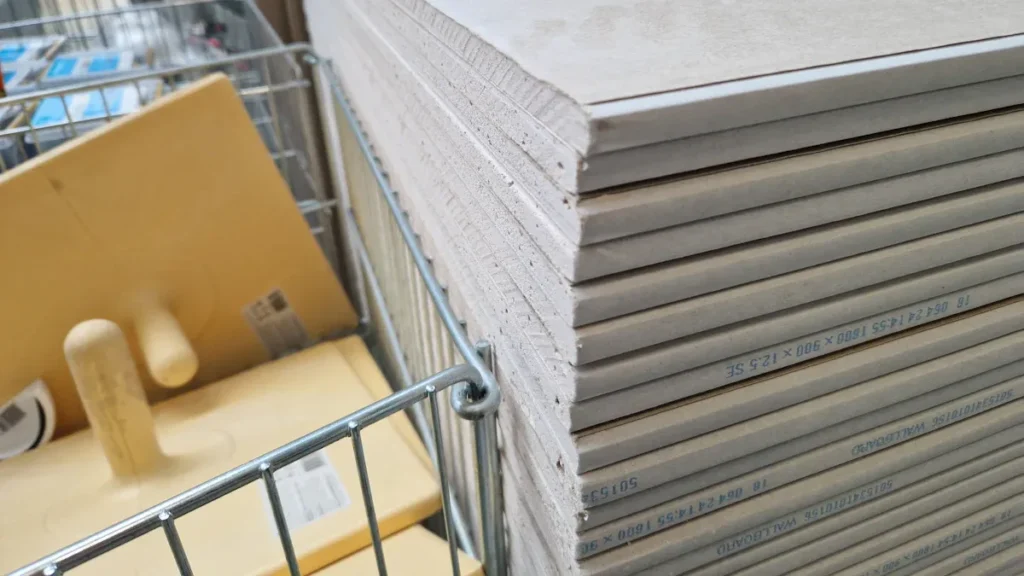
Sheetrock vs. Drywall Cost Differences
Price Comparison
You want to know how much sheetrock costs compared to other drywall brands. The price can change depending on where you live and the type of panel you choose. Sheetrock often costs more because of its reputation and quality. Generic drywall gives you a budget-friendly option for most projects.
Here is a table that shows the typical cost per square foot for standard drywall and material costs:
| Type of Drywall | Cost per Square Foot |
|---|---|
| Standard Drywall | $1.50 – $2.50 |
| Material Cost | $0.42 – $0.50 |
Sheetrock costs usually fall at the higher end of this range. You pay more for specialty panels, such as fire-rated or moisture-resistant sheetrock. Drywall costs stay lower when you choose basic panels for simple repairs or small rooms.
Brand reputation also affects the price. Sheetrock is often priced higher because many contractors trust its quality. Generic drywall is more affordable, which makes it a good choice if you want to save money.
Regional price differences can change your total cost. You see higher drywall costs in places like the West Coast and Northeast. Labor rates go up in these areas, so installation costs rise. In the South and Midwest, you find lower prices for both sheetrock and drywall. Urban locations usually have higher costs than rural areas because contractors pay more to operate in cities.
- Regional price variations lead to significant differences in drywall costs.
- Higher living costs in some areas result in elevated labor rates.
- Rural regions offer more affordable drywall services.
Availability
You need to consider availability when you shop for sheetrock or drywall. Sheetrock is the largest and most popular drywall brand in the country. You find it in major home improvement stores, but smaller hardware stores may not carry every type. This can delay your project if you need specialty sheetrock panels.
Here is a table that shows what affects the availability of sheetrock compared to other drywall brands:
| العامل | الوصف |
|---|---|
| Brand Reputation | Sheetrock is the largest and most popular drywall brand in the country. |
| Quality of Materials | Sheetrock contains higher-quality materials compared to other brands. |
| Variety of Options | It offers a wider variety of thicknesses and options for soundproofing, moisture resistance, etc. |
| Manufacturing Location | Sheetrock products are manufactured in the U.S., which can affect availability. |
Sheetrock offers more choices for thickness and specialty features. You see more options for soundproofing and moisture resistance. Generic drywall is easier to find in smaller stores and may be available in more basic types.
Brand reputation impacts both price and availability. Sheetrock is often priced higher because of its quality. You may find limited availability in smaller stores, which can slow down your project. Generic drywall is more affordable and easier to find, especially if you need standard panels.
Tip: Check your local store’s inventory before you start your project. You save time and avoid delays by knowing which sheetrock and drywall options are available.
You see that sheetrock is a brand of drywall, and both work well for most projects. Experts recommend comparing qualities like moisture resistance, cost, and ease of installation. Sheetrock stands out for quality and user satisfaction, but you should research different drywall brands to match your needs.
Tip: Always consider your budget and local supply before choosing materials.
- Plan your sheet layout to reduce waste.
- Buy drywall in bulk for savings.
- Use moisture-resistant sheetrock in bathrooms.
الأسئلة الشائعة
What is the main difference between Sheetrock and drywall?
Sheetrock is a brand of drywall. Both use gypsum and paper layers. You will see Sheetrock panels and drywall panels used for walls and ceilings. Most homeowners treat them as the same material.
Can you use Sheetrock for drywall repair?
Yes, you can use Sheetrock for drywall repair. Sheetrock panels work well for patching holes or fixing damaged areas. You should match the thickness and type for best results.
Is fire-rated drywall necessary for every room?
You do not need fire-rated drywall in every room. Use it in garages, kitchens, or areas with building code requirements. Fire-rated Sheetrock and drywall panels help protect your home from fire.
How do you choose moisture-resistant drywall?
You should pick moisture-resistant drywall for bathrooms, laundry rooms, or basements. Look for green board or purple drywall panels. Sheetrock offers moisture-resistant options for wet spaces.
Does soundproof drywall make a big difference?
Soundproof drywall reduces noise between rooms. You will notice quieter bedrooms or home theaters. Sheetrock and other brands offer soundproof panels for better privacy and comfort.