
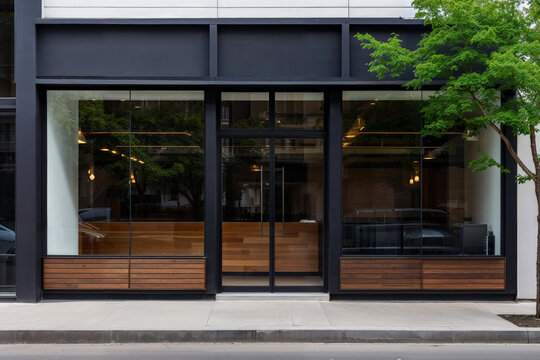
Storefront windows feature large panes of glass on the ground floor of commercial buildings. You see them in retail shops, restaurants, and small offices. These windows help your storefront stand out and attract attention.
Storefront windows increase visibility, making your brand feel approachable.
Open, well-lit windows allow customers to preview products and spark curiosity.
Inclusive design, such as ramps and clear signage, invites a wider audience.
You can create a recognizable brand and encourage repeat visits by using consistent window displays.
الوجبات الرئيسية
- Storefront windows enhance visibility and create an inviting atmosphere, encouraging customers to enter your business.
- Choosing the right type of storefront window can improve safety, energy efficiency, and overall brand image.
- Regularly updating window displays keeps your storefront fresh and attracts repeat customers.
What Are Storefront Windows?
You see storefront windows every day as you walk past shops, restaurants, and offices on busy streets. These large glass panels form the face of a commercial building at street level. A storefront, also called a shopfront, is the entryway or facade of a business. It usually includes one or more display windows that draw attention to your products and services.
Storefront windows use glass-and-aluminum systems that do not support the weight of the building. Instead, the framing anchors directly into the structure. You find these systems on the ground floor, where they create open, inviting spaces for customers. Most commercial storefront windows cover a single story and provide a clear view inside.
Note: Storefront windows are non-load-bearing. They do not hold up the building but offer strong visual impact and easy access for your customers.
You often choose storefront windows for retail spaces, restaurants, and small offices. These windows help you showcase your merchandise and create a welcoming atmosphere. Commercial storefront windows let in natural light and make your business feel open and modern.
Many people confuse storefront windows with curtain wall systems. Both use glass and aluminum, but they serve different purposes. Curtain walls span multiple floors and cover the exterior of high-rise buildings. Storefront windows, on the other hand, work best for ground-level applications in low-rise commercial buildings.
Comparison Table
الميزة | Curtain Wall Systems | Storefront Windows |
|---|---|---|
Construction and Installation | Non-structural, spans multiple floors, complex installation. | Installed at ground level, simpler installation, typically single floor. |
Application and Usage | Used in high-rise buildings for aesthetic appeal and natural light. | Common in retail and low-rise buildings for visibility and access. |
Performance Characteristics | Superior thermal performance, designed for harsh weather, advanced water management. | Adequate protection, less thermal insulation, basic weather resistance. |
اعتبارات التكلفة | Generally more expensive due to complexity and materials. | More cost-effective, suitable for tighter budgets but may incur higher energy costs. |
When you select a storefront window system, you focus on visibility, accessibility, and cost. Curtain walls offer advanced performance but come with higher costs and complex installation. Storefront windows give you a practical solution for most commercial storefront needs.
You can use storefront windows to create a strong first impression for your business. They help you attract customers, improve your brand image, and make your commercial building stand out in a crowded retail environment.
Benefits of Storefront Windows
Storefront windows offer many advantages for your business. You can use them to transform your storefront and create a strong connection with your customers. When you install a storefront window, you increase visibility into your retail space. Passersby see your products and feel invited to step inside. This clear view helps you showcase your merchandise and attract new customers.
You also create a welcoming environment. Large glass panels make your storefront look open and friendly. Customers feel comfortable entering your retail or restaurant space. Safety and security improve because you and your staff can see outside, and people on the street can see inside. This visibility helps deter unwanted activity and keeps your business safer.
Storefront windows maximize natural light. Sunlight fills your space, making it bright and inviting. You reduce the need for artificial lighting, which lowers your energy costs. Modern storefront windows use advanced glazing technologies. These features help regulate indoor temperatures, keeping your storefront comfortable in both summer and winter.
Tip: Use storefront windows to highlight your best products. Change your displays often to keep your storefront fresh and interesting.
Here are some key benefits of storefront windows for retail and restaurant businesses:
Creates a welcoming environment for customers
Enhances safety and security by allowing visibility from inside
Effectively showcases products to attract potential customers
Maximizes natural light, reducing energy costs
Creates a bright and inviting atmosphere
Advanced glazing helps regulate indoor temperatures
You can see that the benefits of storefront windows go beyond appearance. They help you save money, improve safety, and create a better experience for your customers. When you invest in a quality storefront, you set your business up for success.
Key Components of a Storefront Window System
Aluminum Frames
Aluminum frames form the backbone of most storefront glass installations. You benefit from their strength and lightweight design, which makes them ideal for busy storefronts. Aluminum resists rust and corrosion, so your storefront window stays in good condition even in humid climates. With the right finish, these frames last for decades and require very little upkeep. You only need simple cleaning to maintain their appearance and performance. Aluminum supports heavier storefront glass, which improves thermal efficiency and helps you create a comfortable environment for your customers.
Strong and lightweight for high-traffic storefronts
Resistant to rust and corrosion
Lasts for decades with minimal maintenance
Supports heavier storefront glass for better insulation
Glass Types Used in Storefront Windows
You have several choices when selecting storefront glass for your business. Each type offers unique benefits:
Annealed glass is the most common option for storefronts. It works well for many applications.
Tempered glass is four times stronger than annealed glass. It breaks into small pieces for safety, but vandals can still break it easily.
Laminated glass consists of two pieces of annealed glass with a film between them. When broken, it stays intact, providing extra security for your storefront.
Storefront glass also helps you save energy by keeping warm and cool air inside. You spend less on heating and cooling costs. Low-maintenance storefront glass adds long-term value to your business. The type of storefront glass you choose should match your business goals and shape how customers view your storefront.
Mullions, Transoms & Accessories
Mullions hold multiple panels of storefront glass in place, giving your storefront window the support it needs. This support is especially important when you use large pieces of storefront glass. Transoms divide the storefront glass horizontally, adding style and flexibility to your storefront. You can create different looks and configurations to match your brand. Accessories like handles, locks, and weatherstripping complete your storefront window system and improve security and comfort.
Tip: Choose mullions and transoms that fit your building’s height and style. You can balance strength, thermal performance, and appearance for the best results.
Types of Storefront Windows
Framed Storefront Windows
You see framed storefront windows in many retail settings. These windows use visible aluminum frames to hold the glass panels in place. The frames add strength and help support large glass sections. You can choose from different finishes and colors to match your storefront design. Framed systems work well for most retail businesses because they balance durability and cost. You get a classic look that fits many types of storefronts. Maintenance is simple, and you can replace glass panels if needed.
Frameless Storefront Windows
Frameless storefront windows create a modern and sleek appearance for your retail space. You notice clean lines and uninterrupted views, which help your storefront stand out. Many high-end retail stores use this style to highlight their products and brand. Frameless systems use strong glass and minimal hardware, so you see more of your merchandise and less of the structure.
Here is a quick look at the advantages and disadvantages of frameless storefront windows:
Advantages | Disadvantages |
|---|---|
Enhances retail visibility and branding | Higher upfront cost than standard windows |
Increases natural lighting, reducing artificial lighting costs | Vulnerable to break-ins if not reinforced |
Supports modern architectural designs with clean lines | Potential for thermal bridging in non-thermally broken systems |
Durable when properly installed and maintained | Requires professional installation and periodic inspections |
Tip: Choose frameless storefront windows if you want to create a bold, open look for your retail business.
Fixed vs Operable Storefront Windows
You can select either fixed or operable storefront windows for your storefront. Fixed windows do not open. They offer more security because no one can open them from the outside. Operable windows open to let in fresh air and improve ventilation. You can use them to reduce humidity and prevent mold in your retail space.
Window Type | Security Aspect |
|---|---|
Fixed Windows | More secure as they cannot be opened from outside. |
Operable Windows | Less secure as they can be opened from outside. |
Operable windows help you exchange indoor air for fresh air.
They lower humidity, which protects your merchandise and keeps your storefront comfortable.
You should consider your storefront’s needs before choosing between fixed and operable windows. Fixed windows work best for maximum security. Operable windows improve air quality and comfort for your staff and customers.
Storefront Windows vs Curtain Wall
You may wonder how storefront windows compare to curtain wall systems. Both glazing systems use glass and aluminum, but they serve different purposes in commercial buildings. Storefront windows work best for ground-level spaces, such as retail shops and restaurants. Curtain walls cover multiple floors and often appear on high-rise buildings.
You will notice several differences in how you install each system. Storefront windows use non-load bearing frames and usually stay limited to the first or second floor. Curtain wall systems can span several stories and hang from the building structure. This design allows curtain walls to bypass concrete slabs and cover large areas.
Here is a simple table to help you see the main differences:
الميزة | Storefront Windows | Curtain Wall Systems |
|---|---|---|
Structural Characteristics | Non-load bearing, limited to first or second-floor use. | Can span multiple floors, ‘hangs’ from the building, bypassing concrete slabs. |
Drainage Methods | Weep at the sill condition. | Weep at each intermediate horizontal mullion, utilizing ‘zone damming’ for drainage. |
Installation Techniques | Can be front, center, or back set; typically requires a sill pan for drainage. | Always front set; connects to the building floor slab, allowing for a unique installation method. |
You should choose a storefront window if you want a cost-effective solution for your storefront. Curtain walls offer advanced performance, but they require more complex installation and higher costs. Storefront windows give you flexibility and easy access for your customers. You can create a welcoming storefront that matches your brand and attracts more visitors.
Tip: Always consult with a professional before deciding which system fits your storefront best. The right choice will improve your building’s appearance and function.
Cost of Storefront Window
You need to plan your budget carefully when you install a storefront window. Prices can change based on the size, style, and features you choose. Most storefront glass costs between $1 and $3 per pane. Installers often charge a minimum of $15 to $30 per stop. These numbers give you a starting point, but the final price depends on your project.
Here is a table showing the average price range for different storefront window sizes:
Window Size (ft) | Price Range ($) |
|---|---|
3’0″ x 4’0″ | 450 – 475 |
3’0″ x 5’0″ | 525 – 550 |
3’0″ x 6’0″ | 575 – 600 |
2-Panel 6’0″ x 4’0″ | 875 – 925 |
2-Panel 6’0″ x 5’0″ | 925 – 1,050 |
2-Panel 6’0″ x 6’0″ | 1,150 – 1,200 |
3-Panel 8’0″ x 7’1.75″ | 1,625 |
Several factors affect the total cost of your storefront window installation. You should look at the following:
العامل | الوصف |
|---|---|
Labor Costs | Labor rates change based on how complex the job is and how many windows you need. |
Type and Style of Windows | Different window types have different prices. You can choose from many options. |
Energy Efficiency | Energy-saving windows cost 10-15% more but can lower your energy bills by up to 50%. |
Number of Windows | More windows mean higher overall costs. |
Tip: Energy-efficient storefront windows may cost more at first, but they help you save money on energy bills over time.
You can use this information to estimate your costs and make smart choices for your business.
How to Choose Storefront Windows
Selecting the right storefront windows can shape your business’s image and safety. You should start by thinking about your budget. Set a clear spending limit before you begin. This helps you narrow your choices and avoid unexpected costs.
Next, focus on style and branding. Modern storefront solutions let you customize glass and aluminum systems to match your business’s look. You can choose finishes and designs that reflect your brand and attract customers. Many businesses use glass and aluminum storefronts to create an inviting space without giving up security.
Security matters for every storefront. You can select doors that combine strong materials with a stylish appearance. For example, steel doors with glass panels offer both safety and a bright, open feel. Advanced engineering in security doors means you do not have to sacrifice looks for protection.
You must also follow local building codes and standards. Storefront windows should meet requirements for structural integrity, fire safety, and accessibility. Products often need testing under standards like ASTM E1886-05, ASTM E1996-2012A, and AAMA/WDMA/CSA 101/I.S.2/A440-11. These rules help keep your building safe and energy efficient.
الأسئلة الشائعة
What is the main difference between storefront windows and curtain walls?
You use storefront windows for ground-floor spaces. Curtain walls cover multiple floors. Both are glazing systems, but installation and costs differ.
How much does storefront window installation usually cost?
You can expect storefront window installation to range from $450 to $1,200 per window, depending on size, glazing type, and labor.
Do storefront windows improve energy efficiency?
Yes. Modern storefront windows with advanced glazing help you reduce energy costs. You keep your space comfortable and lower your utility bills.