
Wondering if vinyl windows are the right choice for your home?
If you’re a homeowner trying to balance cost, energy efficiency, and long-term maintenance, vinyl windows are often one of the smartest options available today.
In fact, most of our customers choose vinyl windows for three simple reasons:
- They usually cost between $400 to $800 installed, while wood windows start at $700.
- Vinyl windows are 20% to 30% more affordable than wood or fiberglass.
- They help cut down on energy bills and need little upkeep.
But here’s the real question:
👉 Are vinyl windows the best choice for your specific home, climate, and budget?
In this guide, we’ll break it down based on real-world use—not just theory—so you can decide with confidence.
Principais conclusões
- Vinyl windows are one of the most budget-friendly options, typically costing between $400 and $800 installed — making them a practical choice if you’re trying to control costs.
- One of their biggest advantages is energy efficiency. They help keep your home warmer in winter and cooler in summer, which can lower your energy bills over time.
- Vinyl windows require minimal maintenance; a simple wipe with soap and water is usually enough to keep them clean.
- While vinyl windows are durable and can last 20 to 30 years, poor installation can lead to issues like warping or leaks, so hire a professional.
- Consider your home’s style and needs; vinyl windows offer various colors and styles, but they may not enhance resale value as much as wood windows.
What Are Vinyl Windows
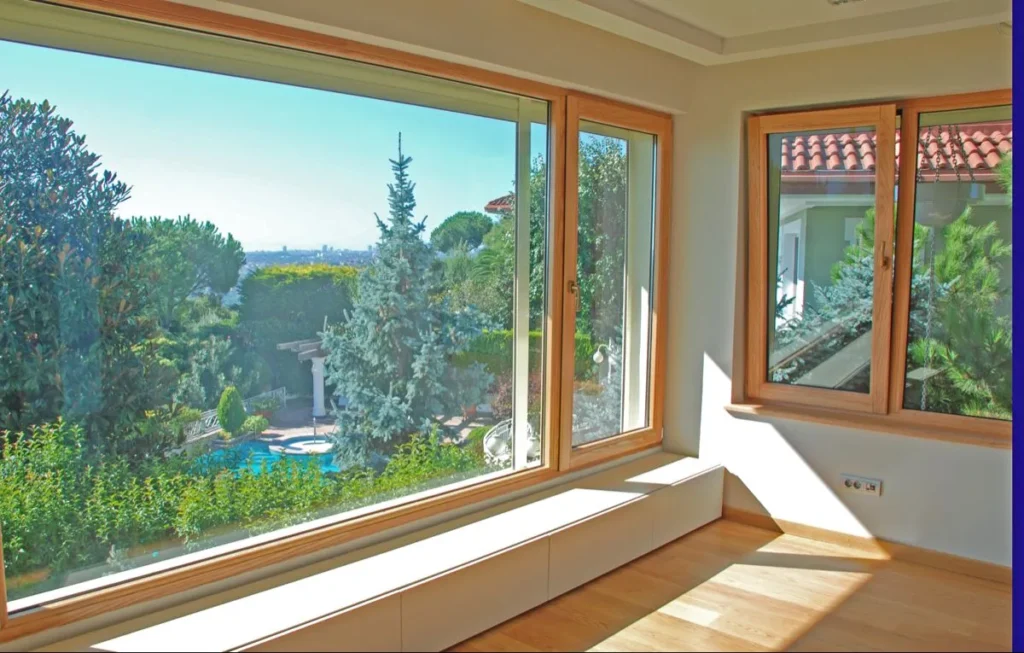
Vinyl windows have become a popular choice for homeowners who want a mix of affordability, durability, and energy savings. But what exactly are they made of, and how do manufacturers put them together? Let’s break it down.
Vinyl Window Materials
Vinyl windows use a special type of plastic called polyvinyl chloride, or PVC. This material stands out because it resists moisture and doesn’t conduct heat easily. That means your windows won’t rot like wood or get hot and cold like aluminum. Here’s a quick look at how vinyl compares to other materials:
| Material Type | Moisture Resistance | Heat Conductivity |
|---|---|---|
| Vinyl | High | Low |
| Wood | Low | High |
| Aluminum | Low | High |
Not all vinyl windows are the same, though. Some use basic vinyl, while others use advanced blends or reinforced composites. These differences can affect how well your windows perform and how long they last. Check out this table for a snapshot:
| Type of Vinyl | Características | Performance Impact |
|---|---|---|
| Builder-grade | Less durable, not custom-fit | Lower performance, less energy efficiency |
| Premium vinyl | Thicker, more durable, better insulation | Superior performance, better seal |
| Composite | Reinforced with other materials | Enhanced durability and insulation |
| Engineered | Advanced construction | Top energy efficiency, noise reduction |
Tip: If you want the best energy savings and quiet rooms, look for premium or engineered vinyl windows.
Manufacturing Process
Making vinyl windows is a step-by-step process. Here’s how it usually goes:
- Material Selection and Preparation: Manufacturers pick high-quality PVC and mix in additives for strength.
- Profile Extrusion: The PVC gets heated and shaped into long window profiles.
- Profile Cooling and Cutting: These profiles cool down and get cut to the right size.
- Frame and Sash Welding: The pieces are welded together to form a sturdy frame.
- Insulated Glass Unit (IGU) Assembly: Glass panes are sealed together for better insulation.
Over the past decade, new technology has made vinyl windows even better. Multi-chambered profiles now block more noise, and advanced glazing keeps homes warmer in winter and cooler in summer. You can even find more design options to match your style.
Pros and Cons of Vinyl Windows
💡 Expert Insight:
In our experience, vinyl windows tend to perform especially well in areas with strong sunlight and noticeable temperature swings. (such as California). Their low thermal conductivity helps stabilize indoor temperatures, reducing HVAC load significantly.
However, performance depends heavily on product quality. Entry-level vinyl may not deliver the same insulation or durability as premium or engineered vinyl systems.
Choosing new windows for your home is a big decision. You want to know what you’re getting into before you buy. Let’s break down the pros and cons of vinyl windows so you can see if they fit your needs.
Disadvantages of Vinyl Windows
Of course, no window is perfect. Here are some things to watch out for with vinyl windows:
- Water leaks can happen if the sealant fails or if the trims are not sealed well.
- Vinyl frames may bend or bow, especially if they are not installed right. This can cause gaps and air leaks.
- Some people think vinyl windows look less “high-end” than wood. This can affect your home’s resale value. Wood clad windows often add more value because buyers see them as more upscale.
- It’s hard to change the color or style of vinyl windows once they’re installed. You can’t paint them easily.
- Extreme heat can sometimes cause vinyl to warp, but this is rare with today’s better materials.
Here’s a quick list of common issues homeowners report:
- Water leaks through glazing or trims
- Bowing or bending of frames
- Gaps and air leaks from poor fit
Note: Many problems with vinyl windows come from poor installation, not the windows themselves. Make sure you hire a pro for the job.
Common Misconceptions
Some myths about vinyl window pros and cons still pop up. Let’s clear up a few:
| Misconception | The Truth |
|---|---|
| Vinyl windows warp in heat | Modern vinyl is made to handle high temperatures without warping. |
| Vinyl windows are not durable | Good vinyl windows last 15-20 years and stand up to tough weather. |
| Vinyl windows are bulky | Proper installation keeps the frames slim and the glass area large. |
| Vinyl windows are unattractive | Today’s vinyl windows come in many colors and finishes. |
| Limited customization options | You can find vinyl windows in lots of styles and shapes now. |
| Vinyl is not eco-friendly | Vinyl frames can be recycled and last a long time, which saves resources. |
| Wood windows are always better | Wood needs more care and can warp or rot, unlike vinyl. |
| Only appliances save energy | Vinyl windows can make a big difference in your home’s energy use. |
When you look at the pros and cons of vinyl windows, you see why they are so popular for replacement windows. They offer big savings, easy care, and good performance. Still, they may not boost your home’s value as much as wood windows, and they can have issues if not installed well. Think about what matters most to you—cost, style, or long-term value—before you decide.
Benefits of Vinyl Windows
Affordability
Let’s talk about affordability. When it comes to cost, vinyl windows are hard to beat. If you’re planning an upgrade on a budget, they’re usually one of the most practical options available. Check out this comparison:
| Window Type | Price Range (Installed) |
|---|---|
| Vinyl | $400 – $800 |
| Wood | $700 – $1,000+ |
| Aluminum | $800 – $1,400 |
The cost of installing vinyl windows is much lower than wood or aluminum. You can save hundreds of dollars per window. This makes vinyl windows a great option for homeowners who want to keep costs down without sacrificing quality. Affordability is one of the main benefits of vinyl windows, especially for large projects.
Low Maintenance
Vinyl windows are famous for their low maintenance. You don’t need to paint, sand, or seal them. Most homeowners only need to wipe them down once or twice a year. Here’s how they compare:
- Vinyl windows require minimal upkeep, mainly just an occasional wipe-down.
- Homeowners with vinyl windows typically perform only 1 to 2 maintenance tasks per year.
- Wooden frames usually need 3 to 4 maintenance tasks annually.
This means you spend less time on chores and more time enjoying your home. The benefits of vinyl windows include easy care and fewer repairs.
Energy Efficiency
Energy efficient options are important for any home. Energy efficiency is one of the main reasons homeowners choose vinyl. The multi-chamber frame design helps trap air, which reduces heat transfer and improves insulation. Here’s what makes them stand out:
- Vinyl windows have inherent thermal barrier properties.
- U-values average around 0.30, better than wood windows at 0.35.
- ENERGY STAR certified vinyl windows can reduce energy bills by 10-15% annually.
- They often meet or exceed ENERGY STAR requirements.
Energy-efficient vinyl windows help keep your home comfortable and lower your bills. Choosing energy efficient windows is a cost effective way to save money every month.
Durabilidade
Durability is another reason people choose vinyl windows. They last a long time and stand up to tough weather. Take a look at this table:
| Window Material | Average Lifespan |
|---|---|
| Vinyl | 20–30 years |
| Wood | 20–30 years |
| Aluminum | 15–30 years |
| Fiberglass | 30–50+ years |
Vinyl windows resist rust, rot, and fading. You get a cost effective solution that stays strong for decades.
Moisture Resistance
Moisture resistance is key for window frames. Vinyl windows handle moisture better than wood or aluminum. Here’s a quick comparison:
| Window Type | Moisture Resistance | Maintenance Needs |
|---|---|---|
| Vinyl | High | Low |
| Wood | Moderate | High |
| Aluminum | Moderate | Moderate |
Vinyl windows prevent rust and rot. You won’t worry about water damage or extra repairs. This makes them a cost effective and energy efficient choice for any climate.
Tip: If you want windows that are affordable, low maintenance, energy efficient, and durable, vinyl windows are hard to beat.
Disadvantages of Vinyl Windows
Limited Design Options
Vinyl windows have come a long way, but they still face some design limitations. If you want a sleek, modern look, fiberglass windows might suit you better. Vinyl frames are thicker, which means less visible glass and less natural light. Take a look at this table:
| Design Limitation | Vinyl Windows | Wood/Fiberglass Windows |
|---|---|---|
| Frame Thickness | Thicker frames, less glass area | Slimmer frames, more light |
| Aesthetic Appeal | Modern look, not ideal for historic homes | Can mimic wood, great for restoration |
Vinyl windows offer a range of colors and finishes, but they don’t replicate wood as well as other materials. If you live in a historic home, you might find these drawbacks of vinyl windows more noticeable.
Difficult to Update or Modify
Changing the look of vinyl windows isn’t easy. Unlike wood windows, you can’t just paint them a new color. Vinyl windows are made to be low maintenance, so you don’t have to worry about repainting every few years. That sounds great, but it also means you’re stuck with the original color and style. If you want to update your replacement window later, you’ll probably need to buy new ones.
- Vinyl windows require no maintenance for painting.
- Wood windows need a fresh coat every five to seven years.
- Vinyl is resistant to insects, but wood may need treatments.
Warping in Extreme Heat
High temperatures can cause problems for vinyl windows. Vinyl frames may soften and warp if exposed to heat above 140°F. Modern vinyl windows include heat-resistant additives and UV stabilizers, so warping is rare with quality products. Building experts say warping is more likely in older or poorly made windows. If you live in a hot climate, it’s smart to choose high-quality vinyl and professional installation.
Environmental Concerns
Vinyl windows raise some environmental questions. The production process uses vinyl chloride monomer, which is a known carcinogen. Manufacturing releases harmful dioxins into the environment. Another concern is recycling. Less than 1% of post-consumer PVC gets recycled, so most old vinyl windows end up as waste. If you care about sustainability, this is one of the disadvantages of vinyl windows to keep in mind.
Vinyl Windows Compared to Other Materials
Vinyl vs. Wood
Let’s start with the classic debate: vinyl windows or wood? Wood windows look beautiful and feel traditional. They’re natural insulators, so your home stays cozy in winter and cool in summer. Vinyl windows, on the other hand, are more affordable and easier to care for. You won’t need to paint or stain them every year. Here’s a quick comparison:
| Recurso | Vinyl Windows | Wood Windows |
|---|---|---|
| Custo | Generally more cost-effective | Typically more expensive |
| Durabilidade | Handles temperature swings well, does not warp or crack | Can suffer from rot and moisture damage if not maintained |
| Maintenance | Requires minimal upkeep | Needs regular painting or staining to prevent damage |
- Wood windows are even more energy-efficient than vinyl.
- Vinyl has hollow or foam-filled frames that improve insulation.
- Wood is a natural insulator, but vinyl windows offer advanced insulation features at a lower price.
Tip: If you want a window that’s easy to maintain and saves money, vinyl windows are a smart pick. If you love the look of wood and don’t mind extra upkeep, wood might be your style.
Vinyl vs. Aluminum
Aluminum windows have a modern vibe and are strong. They’re great for big, open views. But they don’t insulate as well as vinyl windows. Aluminum lets more heat and cold pass through, and it doesn’t block outside noise as much. Vinyl windows, with thicker and foam-filled frames, help keep your home quieter and more comfortable.
- Aluminum windows need regular cleaning, checking for rust, and applying protective coatings.
- Vinyl windows only need a quick wipe with soap and water every few months.
Note: Aluminum windows can last a long time, but they require more care. Vinyl windows are virtually maintenance-free and better at keeping your home quiet.
Vinyl vs. Fiberglass
Fiberglass windows are tough. They resist warping and handle extreme weather like a champ. Vinyl windows also perform well, but older or lower-quality vinyl can become brittle over time. Fiberglass lasts longer and stands up to temperature swings.
| Material | Lifespan | Weather Resistance | Average Cost (per window) |
|---|---|---|---|
| Fiberglass | 30–50 years | Excellent | $1,286 |
| Vinyl | 20–30 years | Good | $1,132 |
Fiberglass windows need professional installation, which adds to the cost. Vinyl windows are easier to install, so you can save money if you go the DIY route.
Tip: If you want windows that last for decades and handle tough weather, fiberglass is a solid choice. If you’re looking for a balance of price, performance, and easy installation, vinyl windows fit the bill.
Best Use Cases for Vinyl Windows
Vinyl windows are not a one-size-fits-all solution. Here’s where they work best:
🏡 Budget-conscious homeowners
Ideal if you want reliable performance without overspending.🌴 Hot climate regions (like California)
Vinyl frames resist heat transfer and help reduce cooling costs.🏢 Rental or investment properties
Low maintenance and durability make them perfect for long-term use.🔇 Homes near busy streets
Multi-chamber vinyl frames and insulated glass help reduce outside noise.👉 If your priority is luxury aesthetics or historical restoration, wood or composite windows may be a better fit.
Choosing vinyl windows means balancing cost, durability, and style. They’re affordable, energy efficient, and easy to care for. You’ll find they last up to 30 years with minimal upkeep.
Homeowners should consider several key factors when selecting vinyl windows: the construction of the frame, insulation properties, style options, and overall durability and maintenance requirements compared to other materials.
Take a look at this quick summary:
| Prós | Contras |
|---|---|
| Affordable and efficient | May warp in extreme heat |
| Low maintenance | Limited design flexibility |
| Long-lasting | Installation quality matters |
Think about your home’s needs, your budget, and the look you want. Compare options before making your final decision.
Not sure which option fits your project?
We can help you compare vinyl, aluminum, and custom solutions based on your needs.
📩 Entre em contato conosco today for a free consultation or quote.
What Most Articles Don’t Tell You About Vinyl Windows
While many guides focus on basic pros and cons, here are two insights often overlooked:
1. Not All Vinyl Windows Are the Same
There is a huge difference between builder-grade and engineered vinyl. Higher-end vinyl includes:
- Multi-chamber insulation structures
- Reinforced frames
- Better sealing systems
This directly impacts energy efficiency, noise reduction, and lifespan.
2. Installation Matters More Than Material
Even the best vinyl window can fail if installed poorly. Common issues like:
- Air leaks
- Water intrusion
- Frame warping
are usually caused by improper installation—not the window itself.
That’s why choosing the right supplier and installer is just as important as choosing the window.
PERGUNTAS FREQUENTES
How long do vinyl windows usually last?
Most vinyl windows last around 20 to 30 years, depending on the quality and how well they’re installed. Quality materials and proper installation help them stay strong. You can expect good performance for decades.
Can I paint vinyl windows if I want a new color?
Painting vinyl windows is tricky. The paint may not stick well. Manufacturers recommend choosing your color before installation. If you want a new look, replacing the windows works best.
Are vinyl windows good for cold climates?
Vinyl windows work well in cold climates. Their insulated frames help keep heat inside. Look for ENERGY STAR certified models for extra savings.
Do vinyl windows increase home value?
Vinyl windows can boost your home’s value, but not as much as wood. Buyers like the low maintenance and energy savings. If you want a high-end look, wood may appeal more.
What’s the best way to clean vinyl windows?
Use mild soap and water.
Avoid harsh chemicals or abrasive pads.
Wipe frames and glass with a soft cloth.
Cleaning is quick and easy!