
(Last updated on July 20, 2026)
Most homeowners consider whole house customization when standard furniture no longer fits their space, lifestyle, or aesthetic needs.
It is not just about design—it is a system that connects planning, manufacturing, and installation into one unified process.
In most cases, the real challenge is not design—but how to execute it across budget, timeline, and supply chain.
Principais conclusões
- Whole house customization creates a living space tailored to your unique lifestyle and needs.
- A cohesive design throughout your home enhances aesthetics and promotes a sense of unity.
- Maximizing space efficiency through customization improves functionality and comfort in daily living.
- Investing in customized features can significantly increase your home’s value and appeal to future buyers.
- Effective planning and communication with your design team ensure a smooth customization process.
What Is Whole House Customization
Unified Design and Material Consistency
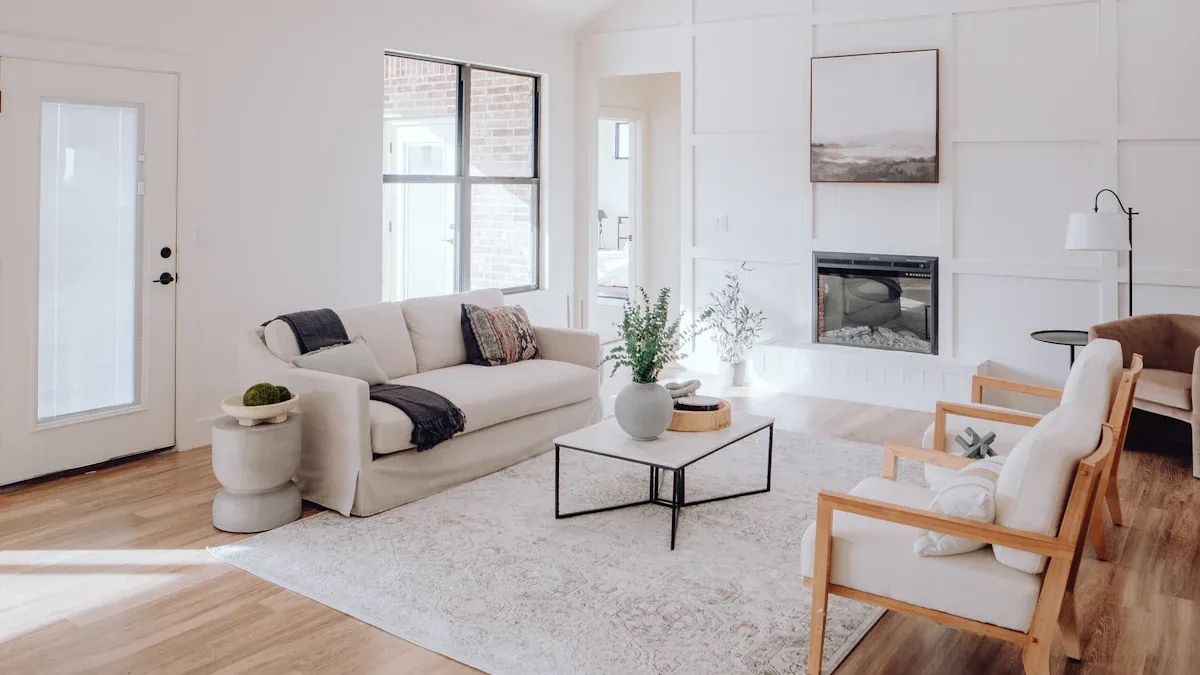
Comprehensive home remodeling involves tailoring spaces to specific functional requirements. This process explicitly avoids generic layouts and pre-made materials. Instead, it creates a unified look and feel across all rooms. This approach uses similar materials and colors throughout the home. A unified design promotes a sense of unity and makes living spaces feel well-planned.
Harmonizing indoor and outdoor spaces enhances visual continuity. Matching wooden flooring indoors with wooden decking outside creates a seamless transition. Using a consistent color palette ties spaces together and improves overall aesthetics.
- Whole house customization offers a cohesive design throughout the entire home.
- Room-by-room renovation allows for a more manageable budget and less overwhelming process.
Whole House Customization Works as a System
Whole house customization is not just about furniture selection. It works as a coordinated system made up of four key layers:
- Design system (layout, style, space planning)
- Material system (wood, stone, hardware, finishes)
- Manufacturing system (factory production and customization)
- Installation system (on-site assembly and adjustment)
These four layers must work together to ensure consistency from concept to final delivery.
Maximizing Space and Functionality
Custom interior planning focuses on maximizing space and functionality. Multi-functional spaces use existing layouts effectively. This minimizes the need for extra square footage. Streamlined designs eliminate wasted space and make daily living more comfortable.
Future-proofing your home means designs can adapt to changing needs. Customized homes accommodate family growth or lifestyle shifts without costly renovations. Versatile spaces attract buyers and boost home value.
- Maximizing space efficiency is a key benefit of whole house customization.
- Customized home layouts enhance comfort and usability.
Personalization and Cohesive Style
Personalization is central to whole-house customization. Homeowners choose options like paint color selection, custom lighting fixtures, and flooring upgrades. Built-in furniture solutions and flex spaces are popular for maximizing utility. Interior design customization includes premium finishes such as granite and quartz countertops, brushed nickel faucets, and matte black hardware.
Smart home integration is becoming essential. Features like app-enabled garage doors, advanced security systems, and smart thermostats improve energy efficiency and convenience.
- Interior design customization helps create a cohesive style.
- Whole house customization ensures every detail matches the homeowner’s vision.
Key Benefits of Whole-House Customization
Enhanced Comfort and Efficiency
Whole-house customization creates living spaces that match the daily routines of homeowners. Custom layouts allow for better movement and easier access to important areas. Built-in storage solutions keep rooms organized and clutter-free. Smart home features, such as automated lighting and climate control, improve comfort and save energy. Many homeowners notice that full house customization leads to quieter, more peaceful rooms. This is because custom materials and layouts can reduce noise and improve insulation.
Tip: Customization can help families create spaces for hobbies, work, and relaxation, all within the same home.
Increased Home Value
A well-planned personalização de toda a casa project can increase the value of a property. Buyers often look for homes with unique features and modern upgrades. Custom kitchens, bathrooms, and living areas stand out in the real estate market. Full house customization uses high-quality materials and finishes, which attract more interest from potential buyers. Customization benefits for homeowners include a higher resale value and faster sales.
- Custom closets and storage add practical value.
- Upgraded fixtures and appliances make the home more appealing.
- Consistent design throughout the house creates a luxury feel.
Long-Term Satisfaction
Homeowners who invest in whole-house customization report higher satisfaction after their home renovation project. Customization ensures that every detail fits their needs and style. The process also reduces stress by providing a single point of contact for the entire project. The following table shows the main reasons for long-term satisfaction:
| Benefício | Descrição |
|---|---|
| Design Cohesion | Ensures all materials match perfectly, avoiding mismatched aesthetics and creating a high-end look. |
| Space Utilization | Custom designs maximize storage and fit unique spaces, enhancing functionality and luxury. |
| Stress-Free Experience | A single point of contact simplifies the renovation process, reducing stress for homeowners. |
A coordinated approach to interior integration provides long-term structural stability and adapts to evolving functional demands.
To better support homeowners through every stage of the process, some providers also offer end-to-end service advantages that go beyond design and production.
Our Whole House Customization Vantagem
As a one-stop customization provider, we offer several advantages to streamline the entire project and ensure a seamless, stress-free experience:
Design Fee Refund Policy: If your final material procurement cost is 20× or more of the design fee, the design fee will be fully deducted from your project cost.
1-on-1 Design Consultation: Tailored planning based on lifestyle needs such as family living, home office, or multi-generational households.
40,000 Sqft One-Stop Showroom: Full-scale room displays allow clients to experience materials and layouts before production.
In-House Craftsmen & Project Managers: No third-party subcontractors, ensuring consistent quality and clear communication.
5-Year Warranty: Covers both materials and labor, ensuring long-term stability after installation and reducing maintenance uncertainty for homeowners.
Price Match Guarantee: We match or beat any legitimate quote by 5% for mid-to-high-end projects.
Whole House Customization Process

Defining Vision and Goals
The first step in the whole house customization process is defining vision and goals. Homeowners start by imagining how they want their living spaces to look and function. Creating a vision board helps organize ideas and inspirations. Placing important images at the center draws focus. Selecting a consistent color scheme and specifying material textures ensures visual continuity across different rooms. Regular updates reflect changing needs.
Tip: An exploratory consultation and needs assessment with a custom home builder clarifies goals. Sharing preferences and discussing possibilities ensures the process aligns with personal style.
Budget Planning and Scope
Budget planning is essential for whole-house customization. Homeowners must define the scope of the project by identifying key areas for customization. This includes fixed furniture like kitchen cabinets and bathroom vanities. Establishing financial requirements involves understanding costs based on house size and component quality. Many projects exceed their initial budget due to design revisions, upgrades to finishes, unknown site conditions, changes in material and labor pricing, insufficient contingency planning, and frequent changes during construction.
- Set a realistic budget.
- Include a contingency fund for unexpected expenses.
- Track spending throughout the process.
Individual Space Design
Designing individual spaces within a unified plan is a critical part of the whole house customization process. Each room should reflect both function and style. Best practices include starting early, defining vision, collaborating consistently, staying organized, balancing aesthetics and function, thinking long-term, and trusting the team. The following table summarizes these practices:
| Best Practice | Descrição |
|---|---|
| Start Early | Involve designers before blueprints are made. |
| Define Vision | Choose styles, colors, and priorities. |
| Collaborate Consistently | Share information between builder, architect, and designer. |
| Stay Organized | Keep a list of choices and updates. |
| Balance Aesthetics and Function | Select designs that are attractive and useful. |
| Think Long-term | Pick materials and layouts for future needs. |
| Trust Your Team | Builders can manage the design and building process. |
Style and Color Palette Selection
Selecting a style and color palette shapes the look of whole-house customization. Designers recommend the 60-30-10 color rule. Allocate 60% of the space to a dominant color, 30% to a secondary color, and 10% to an accent color. This method creates balance and cohesion. Homeowners should choose colors that match their vision board and lifestyle. Consistent style across rooms supports a unified design and planning approach.
Material and Finish Choices
Material and finish choices impact durability, maintenance, and aesthetics. Homeowners select materials for cabinets, flooring, countertops, and hardware. Quality materials ensure longevity and reduce maintenance. Choosing finishes like matte, gloss, or textured surfaces adds character. Avoiding the wrong materials prevents overspending and low-quality outcomes. Previewing designs before production helps avoid costly changes.
Note: Suppliers with strong manufacturing capabilities and diverse material options, especially from recognized hubs, offer more choices for customization.
Production, Delivery, and Installation
Production, delivery, and installation are the final steps in the whole house customization process. Poor space planning leads to cluttered rooms. Choosing the wrong materials affects durability. Skipping the design preview stage can cause costly changes. Lack of process transparency results in delays and unexpected costs. Underestimating the timeline is common. Poor execution by installation personnel directly impacts structural integrity and functional usability. After-sales support is important for resolving issues. Budget mismanagement can derail the project. Selecting the right partner is crucial for success.
| Desafio | Descrição |
|---|---|
| Poor Space Planning | Leads to inefficient spaces. |
| Choosing the Wrong Materials | Affects durability and maintenance. |
| Skipping the Design Preview Stage | Can lead to costly changes. |
| Lack of Process Transparency | Causes delays and unexpected costs. |
| Underestimating Timeline | Customization projects often take longer. |
| Ignoring Installation Quality | Reduces the benefits of customization. |
| Overlooking After-Sales Support | Leaves homeowners without help for issues. |
| Budget Mismanagement | Projects can exceed budgets. |
| Choosing the Wrong Partner | Success depends on the company selected. |
Tip: Work with professionals who offer clear communication, transparent workflows, and strong after-sales support. A unified plan ensures every step of the process leads to a successful whole-house customization.
What Can Be Customized in Whole-Home Customization
Whole-home customization gives homeowners the ability to tailor every space to their needs. The process covers many areas, from kitchens to smart technology. Each room can be designed for comfort, efficiency, and style.
Kitchen: Cabinets, Layout, Appliances
Kitchen customization is one of the most popular choices in whole house customization. Homeowners often focus on base cabinets, wall units, and large island benches. Specialized pull-out racks help organize utensils and pantry items. Custom layouts improve workflow and maximize space. Upgraded appliances add convenience and energy efficiency.
A well-designed kitchen supports daily routines and enhances the value of the home.
- Common kitchen customization elements:
- Base cabinets
- Wall units
- Large island benches
- Specialized pull-out racks
Bathroom: Vanities, Fixtures, Layout
Bathrooms are another key area in whole-home customization. Custom vanities provide extra storage and match the homeowner’s style. Upgraded fixtures, such as faucets and showerheads, improve comfort and efficiency. Layout changes can create more space and add luxury features like walk-in showers or soaking tubs.
Bedroom: Closets, Storage, Built-Ins
Bedrooms benefit from whole house customization through custom closets and built-in storage. Homeowners can add shelving, drawers, and organizers to maximize space. Built-ins create a seamless look and keep rooms tidy. Customization allows for unique designs that reflect personal taste.
Living Room: Shelving, Entertainment Centers
Living rooms often feature custom shelving and entertainment centers. Whole-home customization lets homeowners choose layouts that fit their lifestyle. Shelving can display books, art, or family photos. Entertainment centers organize electronics and provide a focal point for gatherings.
Entryway, Home Office, Mudroom
Entryways, home offices, and mudrooms are important in whole house customization. Custom benches, hooks, and storage keep entryways organized. Home offices can include built-in desks and shelves for productivity. Mudrooms benefit from durable materials and smart storage solutions.
Cost Factors and Budgeting for Customization
Major Cost Drivers
Whole house customization involves many expenses. Understanding the main cost drivers helps with budget control. Material costs often make up a large part of the total price. Labor costs also play a big role in the overall expense. Some construction phases can increase costs more than others. Homeowners should pay attention to these factors when planning their projects.
- Material costs are a significant factor in the overall expenses of whole house customization.
- Labor costs contribute heavily to the total costs involved in custom home building.
- Specific construction phases can lead to increased expenses during the customization process.
Knowing these drivers allows homeowners to plan for better budget control and avoid surprises during customization.
Setting and Managing Your Budget
Budgeting by Square Meter: Tiered Pricing Guide
Budget control strategies are important for successful whole house customization. Homeowners should divide their spending into clear phases. This helps with quotation and budgeting and keeps the project on track. The table below shows a recommended way to allocate funds:
| Phase | Core Task | Budget Proportion |
|---|---|---|
| Phase 1 | Plumbing/electrical, kitchen cabinets, master bedroom wardrobe | 60% |
| Phase 2 | Secondary bedroom/study storage, foyer systems | 30% |
| Phase 3 | Soft furnishings, personalized display cabinets, lighting optimization | 10% |
This approach gives homeowners better budget control and helps manage spending at each stage. Tracking costs and adjusting plans as needed supports strong budget control strategies.
Maximizing Value
Homeowners want to get the most from their investment in whole house customization. Choosing custom cabinetry can boost home resale value and attract buyers. Custom cabinets also provide optimized storage solutions, such as pull-out organizers and modular shelving. These features make daily life easier and keep spaces tidy. While customization may require a higher initial investment, it offers long-term value through durability and timeless design.
| Benefício | Descrição |
|---|---|
| Boosts Home Resale Value | Investing in custom cabinetry increases property appeal and resale value by incorporating premium designs that are highly sought after by discerning buyers. |
| Optimized Storage Solutions | Custom cabinets address specific storage needs such as pull-out organizers, pantry shelving, or modular designs, providing efficient use of space in kitchens, bathrooms, and other rooms. |
| Smart Investment for Long-Term Value | While custom cabinetry may require a higher initial investment, its durability, timeless design, and enhanced functionality make it a cost-effective choice. |
Tip: Careful planning and smart choices help homeowners achieve the best results from whole house customization.
Choosing Suppliers for Whole House Customization
What to Look For
Selecting the right supplier is a crucial step in whole house customization. Homeowners should focus on several key criteria to ensure a smooth process and lasting results. Suppliers must offer high product quality and use materials from reputable sources. Design flexibility is important, as customization should match both traditional and modern visions. Reliable production capacity and efficient logistics help avoid delays. Strong customer service and after-sales support guarantee a positive experience for homeowners.
| Criteria | Descrição |
|---|---|
| Product quality and material quality | Use of top-grade materials sourced from reputable manufacturers, adhering to international standards. |
| Design possibilities and customization | Flexible design concepts ranging from traditional to modern, catering to various homeowner visions. |
| Production capacity and lead time | Strong capacity and efficient logistics for quick order fulfillment without compromising quality. |
| Customer service and after-sales | Comprehensive after-sales support including warranties and maintenance, ensuring a smooth experience. |
Note: Suppliers with strong production capacity and clear after-sales support help homeowners achieve successful whole house customization.
Questions to Ask
Before starting a whole house customization project, homeowners should ask suppliers important questions. These questions help clarify expectations and prevent misunderstandings.
- How long have you worked with key trades?
- What’s your quality control process beyond required inspections?
- What’s your realistic timeline from contract to move-in?
- Who will be my primary contact during construction?
- Where do you source your materials?
- What choices can I make after signing the contract?
- How do you prepare homes for future modifications?
- What technology infrastructure do you include?
- What’s really included in your base price vs. options?
- How do you handle warranty claims after move-in?
- Can you share recent customer testimonials?
- How will I make selections for finishes and features in my new home?
- What’s your biggest mistake and what did you learn?
Asking these questions helps homeowners understand the supplier’s process and ensures that customization meets their needs.
Common Pitfalls
Homeowners often face challenges when choosing suppliers for whole house customization. Selecting a supplier based only on the lowest quote can lead to poor material quality and weak control. Production delays may disrupt schedules, especially with smaller suppliers who struggle with large orders. These pitfalls can affect the overall success of customization.
- Choosing based on price alone can compromise quality.
- Production delays may impact renovation timelines.
Tip: Homeowners should prioritize quality and reliability over cost to avoid common pitfalls in whole house customization.
George Project Case Video
Documenting the complete execution cycle of a recent whole-house project in Colombia. This footage contrasts the raw site conditions during the structural phase with the final outcome after our installation team completed the precision on-site assembly of all cabinetry and structural components.
PERGUNTAS FREQUENTES
What is the difference between whole house customization and renovation?
Comprehensive home integration ensures material and structural consistency across all spaces. Standard renovation typically addresses isolated areas using pre-fabricated solutions.
Can I mix locally purchased furniture with custom-made systems?
Yes, though it requires strict dimensional and material coordination. Sourcing standalone furniture without a unified floor plan often leads to spatial mismatches and structural inconsistencies.
Is whole house customization more expensive than buying ready-made furniture?
- Customization often costs more upfront.
- It offers better fit, quality, and long-term value.
- Ready-made furniture may be cheaper but lacks personalization.
Is whole house customization suitable for overseas projects?
Yes. However, international projects require rigorous supply chain management, precise logistical tracking, and detailed technical drawings for local installation personnel to execute the assembly accurately.
What are the biggest risks in whole house customization?
Common risks include on-site measurement discrepancies, material transit delays, and structural misalignment during assembly. These issues can be mitigated by conducting strict site surveys and deploying experienced installation personnel.