

You want accurate results when you measure door jamb. Always remove trim or molding before you start. Measure inside the frame, not over the trim. Matching jamb width to wall thickness matters for these reasons:
- It improves door swing and function.
- It helps connect water and air barriers.
- It boosts installation success in thick-wall homes.
Основные выводы
- Always remove trim before measuring door jambs. This ensures accurate measurements of the actual jamb without interference.
- Match the jamb width to the wall thickness. This improves door function and prevents gaps during installation.
- Record all measurements immediately. Double-checking helps avoid mistakes that can lead to misalignment and installation issues.
What Is a Door Jamb
A door jamb forms the vertical sides of a door frame. You see it every time you open or close a door. The jamb supports the door and holds the hinges and strike plate. Builders and inspectors use specific terms for each part of the jamb. The table below shows these terms and their definitions:
| Term | Definition |
|---|---|
| JAMB | The vertical frame member forming the perimeter of a frame. |
| BLANK | A jamb without mortised hardware preparation. |
| HINGE | A jamb of a frame prepared for hinges or pivots. |
| STRIKE | A jamb prepared for a strike. |
Parts of a Door Jamb
You find several parts in a typical door jamb. The main parts include:
- Hinge jamb: This side holds the hinges and supports the swinging action.
- Strike jamb: This side contains the strike plate, where the latch clicks in.
- Head jamb: This is the top horizontal piece that connects the two vertical jambs.
You also need to consider the material. Most residential door jambs use solid wood, engineered wood, steel, aluminum, fiberglass, or vinyl. Each material offers unique benefits. The table below explains these options:
| Material Type | Описание |
|---|---|
| Solid Wood | Renowned for strength and natural beauty, ideal for coziness and elegance. |
| Engineered Wood | Economical, dependable, and warp-resistant, suitable for various applications. |
| Steel | Strong and durable, excellent for security-focused settings. |
| Aluminum | Lightweight and corrosion-resistant, perfect for contemporary designs. |
| Fiberglass | Durable and low maintenance, suitable for various climates. |
| Vinyl | Affordable and moisture-resistant, ideal for humid environments. |
Differences of Interior and Exterior Door Jamb
You notice key differences between interior and exterior door jambs. Interior jambs usually have a simpler design. They often use wood or engineered wood. Exterior jambs need to resist weather and provide security. You often see steel, fiberglass, or treated wood for these. Exterior jambs may include weatherstripping or thresholds. You must check the door jamb size to ensure a proper fit for your wall and door type.
How to Measure Door Jamb: Step-by-Step
Measuring a door jamb correctly helps you avoid installation problems and ensures your door fits perfectly. Follow these steps to get precise results every time you measure door jamb.
Step 1: Take the Width of the Door Jamb
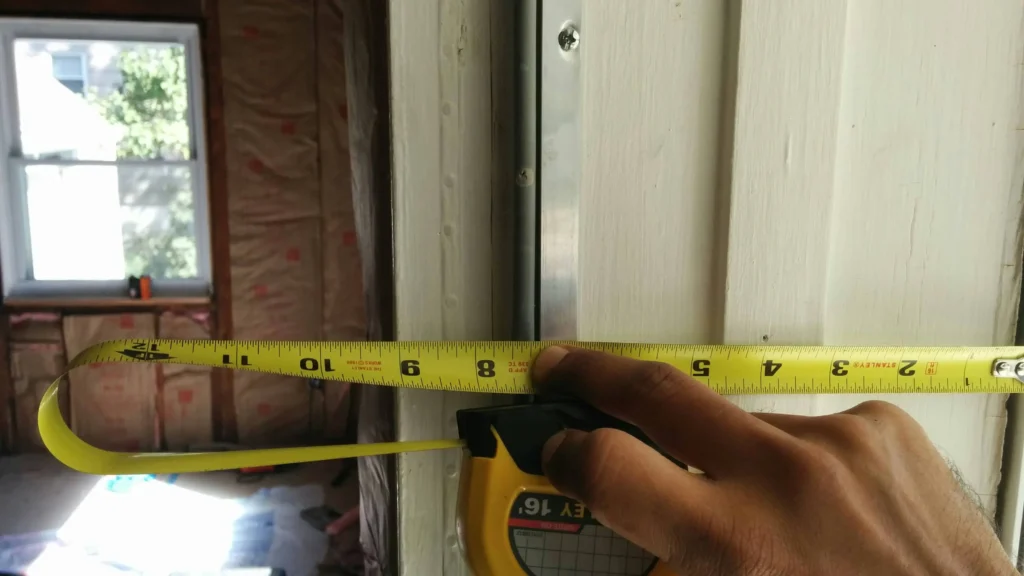
Start by removing any trim or molding around the door frame. This step gives you access to the actual jamb and prevents errors. Place your tape measure against the inside edge of the door frame, not over the trim. You want to measure the jamb width from one side of the frame to the other, covering only the structural part.
Tip: Always read the tape at eye level. This practice reduces parallax errors and helps you get accurate measurements.
When you measure the jamb width, make sure it matches the thickness of your wall. The jamb should cover the stud and drywall or any other wall finish. Small mistakes in this step can lead to gaps or misalignment when you install the door.
- Measure the door frame without including the trim.
- Read the measuring tape at eye level.
- Even small errors can cause big problems during installation.
Step 2: Find the Height of the Jamb
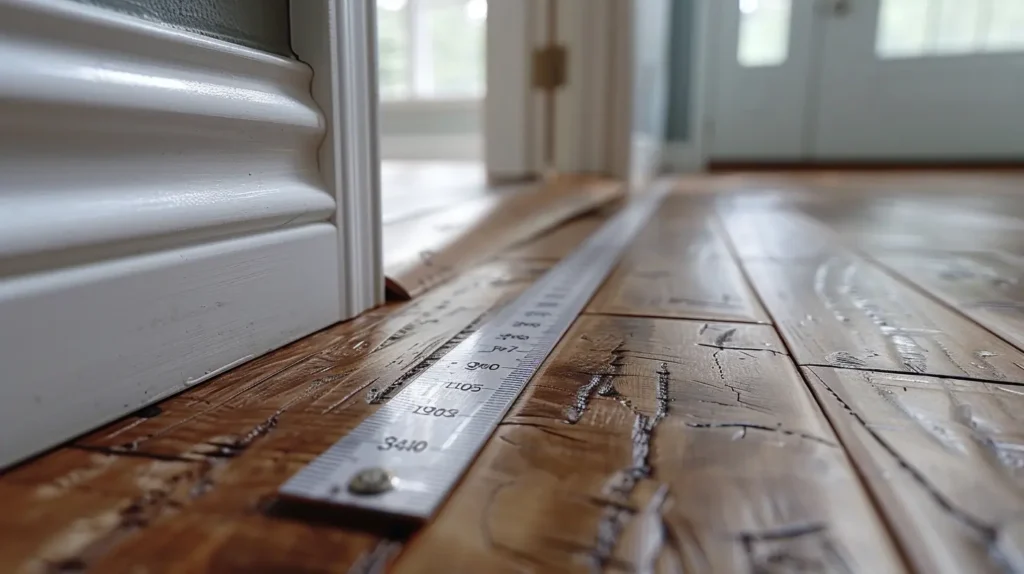
To measure door jamb height, start at the floor and extend your tape measure up to the underside of the head jamb. Do not include any threshold or flooring material in your measurement. You want the true height of the jamb, which determines how your door will fit and swing.
Check both sides of the jamb for consistency. Sometimes floors are uneven, especially in older homes. If you notice a difference, record the larger measurement to ensure the door fits.
Step 3: Jamb Depth (Wall Thickness) Check
The depth of the jamb must match your wall thickness for a seamless look. Use a tape measure to check the total thickness of the wall, starting from one finished surface to the other. Include the framing, drywall, and any paneling.
Note: In older homes, wall thickness can vary. Use a high-precision caliper or laser measure for best results. Take measurements at the top, middle, and bottom of the opening to spot any irregularities.
| Step | Описание |
|---|---|
| 1 | Measure the total wall thickness, including drywall and paneling, using a high-precision caliper or laser measure. |
| 2 | Take multiple measurements at various points (top, middle, bottom) to identify any irregularities. |
| 3 | Record the total thickness, factoring in all finishing materials to ensure proper fitting of the door jamb. |
| 4 | Assess how the trim will interface with the wall and frame edges, considering clearance for shims or filler strips. |
When you measure door jamb depth, make sure it matches standard wall depths. This step prevents problems with alignment and casing installation.
- Check wall thickness from one finished surface to the other.
- Use a tape measure or laser tool for accuracy.
- Match the depth to standard wall sizes for best results.
Laser measuring tools can help you measure door jamb in tight spaces. The laser dot gives you a precise point, making it easier to measure from the edge of the trim or frame. Professionals prefer lasers for measuring off timber or steel wall frames because of their accuracy.
Step 4: Record Accurate Measurements
Write down all your measurements as soon as you take them. Use checkpoints and reference points to cross-verify your results. If you have access to advanced tools, consider using aerial imagery or 3D laser scanning for high precision. Make sure your tape measure or laser tool is calibrated and in good condition.
Tip: Regular training and education help you stay updated with the latest measuring techniques and tools.
- Research the site’s history and existing structures to anticipate obstacles.
- Establish checkpoints throughout the site to verify measurements.
- Use modern methods like 3D scanning for high precision.
- Keep your tools up-to-date and calibrated.
- Automate measurements with AI-powered software if available.
When you measure door jamb, always double-check your results. Accurate measurements save you time and money during installation. If you measure the jamb width, height, and depth correctly, your door will fit and function as intended.
Standard Jamb Sizes
You need to know the right door jamb size before you start your project. Using the correct size helps your installation go smoothly and prevents gaps or sticking doors. Most homes use typical door jamb sizes that match the wall thickness. Check the table below for a quick reference:
| Jamb Size | Wall Type |
|---|---|
| 4 9/16″ | 2×4 frame with ½” drywall |
| 5 1/2″ | 2×4 frame with stucco or thick drywall |
| 6 9/16″ | 2×6 frame or block wall (with 1/16″ tolerance) |
Interior and exterior doors often use different jamb widths. The chart below shows how stud and sheetrock thickness affect the jamb width for both types:
When you choose a jamb, match the width to your wall type. Thicker walls need wider jambs. For example, a 2×6 wall with 5/8” drywall requires a wider jamb than a 2×4 wall with 1/2” drywall. If your wall does not fit standard sizes, you can use split jambs or add jamb extensions for a custom fit.
Tip: Always measure the finished wall thickness, including drywall or paneling, before you order your jamb.
You also need to consider the jamb type. Double rabbeted jambs work well for thick walls. Single rabbeted jambs fit most standard walls. Split jambs adjust to uneven or old walls. Flat jambs give a simple look but may need extensions for thick walls.
Choosing the right jamb size ensures a tight seal and a professional look. You avoid problems during installation and make your door last longer.
You can measure a door jamb accurately by removing trim, matching jamb width to wall thickness, and double-checking each measurement. Common mistakes include misreading the tape, forgetting new flooring, and assuming the frame is straight. Careful measuring prevents gaps, misalignment, and energy loss.
Stay patient—your effort ensures a perfect fit and a professional result!
ЧАСТО ЗАДАВАЕМЫЕ ВОПРОСЫ
What is the difference between a jamb and a rough opening?
You measure the jamb to fit the finished wall. The rough opening is the space in the wall before you install the jamb and door.
How do you measure a rough opening for a new jamb?
You measure the rough opening from stud to stud and from floor to header. This ensures the jamb fits snugly and supports the door.
Can you install a new jamb in an existing rough opening?
Yes, you can install a new jamb in an existing rough opening. You must match the jamb size to the rough opening for a secure fit.