
You might love spaces that feel both fresh and familiar. Modern traditional interior design does just that. You see a blend of classic furniture, modern lighting, and layered textures.
- Neutral palettes set a calm mood.
- Balance, comfort, and elegance shine.
- Old and new elements mix for timeless interior design ideas.
Основные выводы
- Modern traditional interior design blends classic charm with modern simplicity, creating spaces that feel both timeless and fresh.
- Use a neutral color palette to set a calm mood, and mix materials like wood, glass, and metal for a signature look.
- Personalize your space by combining vintage and modern pieces, allowing your home to reflect your unique style.
Understand Modern Traditional Interior Design
You might wonder what makes modern traditional interior design stand out. This style brings together the best of both worlds—classic charm and modern simplicity. You get the warmth and comfort of traditional design, but with the clean lines and fresh feel of modern design. Let’s break down how you can spot and create this look in your own home.
The Blend of Classic and Contemporary Materials
When you step into a modern traditional interior, you notice a thoughtful mix of materials. Designers love to combine the richness of wood and marble with the sleekness of glass and steel. Here’s how these materials often show up:
- Wood: You’ll see it in furniture, floors, and even wall details. Sometimes it’s dark and polished, other times it’s light and natural.
- Stone: Marble and granite countertops or floors add a touch of luxury.
- Metal: Brass and copper hardware or lighting fixtures bring in a bit of shine and contrast.
- Glass: Mirrors and glass accents help bounce light around, making rooms feel open and elegant.
This mix gives new traditional design its signature look—timeless, but never stuffy.
Lighter Color Palettes and Reimagined Architecture
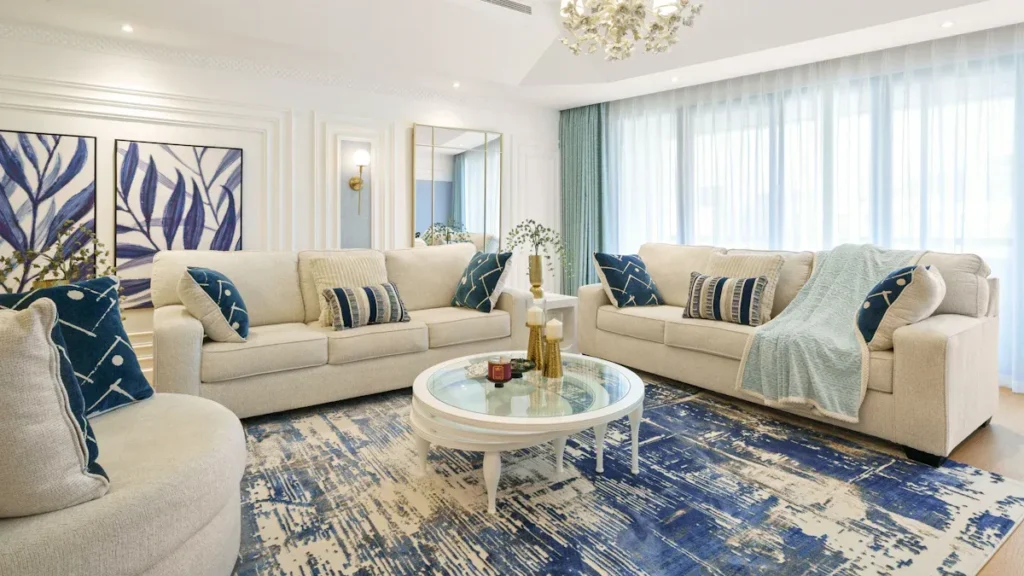
Color plays a huge role in setting the mood. Modern traditional interior design usually leans toward lighter, neutral palettes. Think soft whites, gentle grays, and creamy beiges. These shades make spaces feel calm and open, unlike the deep reds and greens you might find in older traditional design.
| Design Style | Color Palette Description |
|---|---|
| Modern | Neutral tones with vibrant accents like teal or mustard; materials include polished metals and light-colored wood. |
| Traditional | Rich, warm colors such as burgundy, forest green, and navy; features darker woods and luxurious fabrics like velvet or silk. |
You’ll also notice how new traditional design reinterprets classic architecture. Instead of heavy moldings and ornate details everywhere, you might see:
| Architectural Feature | Описание |
|---|---|
| Sustainable Traditional Materials with Modern Applications | Traditional materials like terracotta and wood are being used with modern advancements for efficiency. |
| Smart Technology Meets Classic Aesthetics | Integration of smart systems in classical homes without losing traditional elegance. |
| Blending Old and New Architectural Forms | New buildings with modern interiors and historic façades, and adaptive reuse of old structures. |
| Handcrafted Details with Digital Precision | Use of digital fabrication to replicate handcrafted details affordably and efficiently. |
| Regional Vernacular Design Reimagined | Modernizing local architectural styles with energy-efficient technologies. |
| Interior Design: A Nostalgic Yet Contemporary Approach | Combining traditional craftsmanship with modern décor elements. |
You get the sense of history, but with a lighter, more current twist.
Balancing Minimalism and Decorative History
Modern traditional interior design walks a fine line between minimalism and decorative flair. You don’t have to choose between a bare, modern space and a room packed with antiques. Instead, you can have both. Designers often pair a sleek metal coffee table with a carved wooden chair. This contrast lets each piece shine.
Tip: Let your favorite vintage find be the star, then surround it with simpler, modern pieces for balance.
Color helps, too. Warm tones from vintage items blend with the cool, neutral shades of modern design. This harmony keeps the space from feeling too busy or too cold.
Furniture, Lighting, and Textiles: The Essentials
Furniture in new traditional design often borrows from several eras. You might spot a mid-century modern chair next to an American Colonial table. Here are some popular styles:
| Furniture Style | Characteristics |
|---|---|
| American Colonial | Simple lines, functional designs, sturdy wood construction. |
| Mid-Century Modern | Clean lines, organic shapes, innovative materials, playful color approach. |
| Rustic | Emphasis on natural materials, unrefined wood, warm and inviting atmosphere. |
| Art Deco | Bold colors, rich materials, geometric shapes, luxury and sophistication. |
| Art Nouveau | Intricate carvings, curved forms, natural elements, ornate and whimsical design. |
Lighting also sets the tone. In modern traditional interiors, you’ll often see vintage-inspired fixtures that act as focal points. These aren’t as ornate as classic chandeliers, but they’re not as plain as modern pendant lights either. They strike a balance—simple, but with a nod to history.
Textiles matter, too. Soft fabrics like velvet, cotton, and linen make rooms feel cozy and inviting. You can use silk or damask for a touch of elegance, or go for burlap and chenille if you want a more relaxed vibe.
- Silk, velvet, or damask for a traditional or elegant feel.
- Cotton, linen, or burlap for a casual or rustic vibe.
- Soft, thick textures like faux fur and chenille for a laid-back atmosphere.
Regional Influences and Sustainability
New traditional design isn’t the same everywhere. Regional styles and cultural traditions shape how designers blend old and new. For example:
- Traditional designs have evolved over time, shaped by regional variations and cultural adaptations, leading to unique interpretations in modern contexts.
- The blending of traditional elements with modern aesthetics showcases how different regions influence contemporary design.
Sustainability is also a big part of modern traditional interior design today.
Today’s interior design trends place a much stronger emphasis on sustainability, biophilia, and wellness than in years past.
You can choose eco-friendly materials, reuse vintage pieces, and look for energy-efficient solutions. This approach keeps your home stylish and responsible.
Personalizing Your Space
You don’t have to follow a strict formula. New traditional design encourages you to mix and match. Start with a neutral base, add classic furniture, and layer in modern lighting or art. Use accessories to show off your personality. Maybe you hang a contemporary painting above a vintage mantel, or display family heirlooms next to sleek, modern vases.
Art and decor set the mood and create a theme. They can be conversation starters or simply add depth to your space. The key is to let your home reflect who you are, blending the comfort of tradition with the excitement of modern design.
If you love spaces that feel both timeless and fresh, modern traditional interior design gives you the freedom to create a home that’s uniquely yours.
Comparing Traditional Interiors of the Modern Day
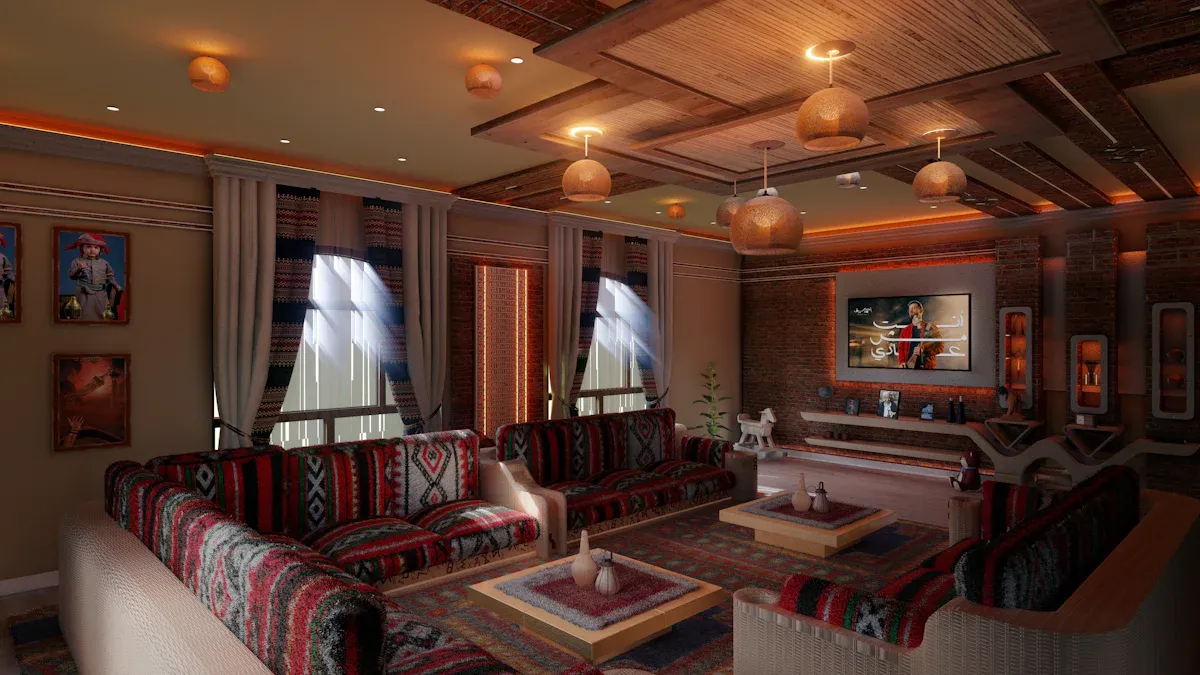
When you look at traditional interiors of the modern day, you might notice how each style brings its own personality. Let’s break down the differences so you can spot what makes each one unique.
Classic vs. Modern Traditional
Classic traditional design feels rich and formal. You see ornate moldings, dark woods, and deep colors. Мебель often looks grand and detailed. In contrast, modern traditional interiors keep the elegance but simplify the details. You get cleaner lines, lighter colors, and a mix of old and new pieces. This approach lets you enjoy the comfort of traditional design without feeling weighed down.
| Характеристика | Modern Traditional | Transitional |
|---|---|---|
| Style Influence | Heavily leans on classical roots | Evenly blends traditional and contemporary |
| Cabinet Detailing | More intricate details, detailed moldings | Cleaner lines, subtle design elements |
| Color and Texture | Rich textures, darker tones | Softer, harmonious color scheme |
| Material Selection | High-end natural materials | Mixes materials and finishes |
Modern vs. Modern Traditional
Modern interiors focus on simplicity and function. You see open spaces, minimal decor, and lots of glass or metal. Modern traditional style, however, brings warmth and history into the mix. You might pair a sleek sofa with a vintage rug or add classic artwork to a modern room. This blend creates a space that feels both current and timeless.
Tip: If you love the clean look of modern rooms but want more character, try adding a few traditional design touches.
Transitional vs. Modern Traditional
Transitional style sits right between traditional and modern. It balances comfort with clean lines. Modern traditional interiors, though, lean more on classic roots. You’ll notice more detailed moldings and richer textures. Over the past decade, designers have simplified traditional elements, used high-quality materials, and even added smart technology. This new approach to traditional interiors of the modern day feels authentic and fresh.
| Aspect | Описание |
|---|---|
| Emphasis on Simplicity | Modern traditional design focuses on simplifying and streamlining traditional elements. |
| Blend of Historical Influences | Designers incorporate classic lines while merging them with contemporary aesthetics. |
| Quality Materials | There is a strong focus on using high-quality materials that evoke nostalgia. |
| Integration of Modern Technology | Modern technology is utilized to create innovative expressions of traditional design. |
| New Traditional Movement | This design approach embraces the past with a modernist perspective of authenticity and honesty. |
You can see how modern traditional interiors reinterpret the best parts of traditional design for today’s homes.
Why Modern Traditional Design Become Popular?
You might wonder why modern traditional interior design has become such a favorite for homeowners and designers. The answer is simple: it gives you the best of both worlds. You get the comfort and history of traditional design, but you also enjoy the freshness and simplicity of modern style. This approach creates spaces that feel timeless, inviting, and personal.
Practical Tips for Mixing Classic and Modern Pieces
You don’t need to be a professional to master mixing modern and traditional styles. Here’s how you can start:
- Choose a vintage rug to add warmth and texture to your modern furniture.
- Incorporate metallic accents like brass or chrome for a modern edge.
- Use throw pillows to mix patterns and solid colors for balance.
- Display modern art above traditional furniture to create a striking focal point.
- Focus on the treatment of furniture to create a cohesive feel.
- Select accessories that bridge the gap between styles.
- Layer art and lighting to enhance the overall ambiance.
- Consider the scale of furniture in relation to your space.
- Maintain a cohesive mood throughout the room.
First rule of thumb when mixing modern and traditional furniture: you can always do a modern-style coffee or cocktail table. Always. Always. Always.
You can decide on the mood you want for each room. For a casual living room, avoid heavy pieces and go for simple lines and materials. For a formal space, combine sophisticated pieces with rich aesthetics. Always check the scale of your furniture so everything feels balanced.
Selecting Colors, Patterns, and Materials for Harmony
Color is your secret weapon in modern traditional interiors. You want your space to feel unified, not chaotic.
Creating a strong and cohesive color palette is essential when mixing different styles and textures in interior design. Having a unified color scheme for your living space is important to ensure the different styles and textures blend well together instead of creating a jarring contrast: it sets the mood, defines the overall aesthetic, and ties the elements together. When selecting colors, consider the desired atmosphere and the emotions you want to evoke in the room.
Start with a neutral base—think soft whites, gentle grays, or creamy beiges. Add pops of color with accessories or art. Patterns work best when you repeat them in small doses, like on pillows or curtains. Materials matter, too. Pair natural wood with glass or metal for a look that feels both classic and current. This approach helps you create an elegant home interior design that feels harmonious and welcoming.
Common Mistakes and How to Avoid Them
Many people love the idea of modern traditional style but run into trouble when putting it together. Here’s a quick guide to common mistakes and how you can avoid them:
| Mistake | Описание | Tips to Avoid |
|---|---|---|
| Poor Space Planning | Leads to cramped or underutilized spaces. | – Consider furniture scale and room size. – Plan for multiple functions in common areas. – Allow for enough walkways and circulation space. |
| Bad Lighting Choices | Insufficient or harsh lighting can create an uncomfortable environment. | – Use dimmers to control light intensity. – Incorporate natural light whenever possible. – Choose light colors that complement the room’s palette. |
| Ignoring Functionality for Aesthetics | Prioritizing appearance over practical use can limit functionality. | – Prioritize ergonomic furniture. – Consider lifestyle when choosing room layouts. – Use materials that marry beauty with durability. |
| Overlooking Storage Needs | Lack of storage can lead to cluttered spaces. | – Utilize vertical space with shelves or cabinets. – Choose furniture with built-in storage options. – Incorporate storage in every room, not just closets. |
| Furniture Placement Mistakes | Poor arrangement can disrupt flow and create an unwelcoming atmosphere. | – Create distinct conversation zones. – Ensure clear pathways for movement. – Balance furniture scale with room size. |
| Neglecting a Cohesive Design Theme | Mixing styles without a plan can lead to visual chaos. | – Choose a consistent color palette. – Stick to complementary furniture styles. – Align decorative elements with the overall theme. |
| Failing to Set a Realistic Budget | Vague financial plans can lead to costly oversights. | – Plan for unexpected costs. – Prioritize essential upgrades. – Research average costs for your projects. |
| Over-Personalization and Trend Chasing | Excessive personalization can hurt resale value. | – Use accessories for trends. – Opt for timeless bases. – Neutral backgrounds. |
Why You’ll Love Modern Traditional
Modern traditional interior design has become popular because it lets you express your personality while honoring the past. You can incorporate new traditional design ideas without giving up comfort or style. This approach works for any home, whether you live in a city apartment or a country house. You get a space that feels both familiar and fresh—a true reflection of you.
If you want a home that feels elegant, welcoming, and never goes out of style, mixing modern and traditional styles is the way to go.
ЧАСТО ЗАДАВАЕМЫЕ ВОПРОСЫ
What is the main difference between modern traditional and contemporary traditional interior design?
You’ll see modern traditional interiors blend classic shapes with modern lines. Contemporary traditional style feels more current and often uses bolder colors or unexpected materials.
Can I mix vintage pieces with modern furniture in a modern traditional style?
Absolutely! You can pair a vintage dresser with a sleek sofa. This mix gives your space personality and makes your traditional modern interior feel unique.
How do I keep my modern traditional interior from looking outdated?
Stick with neutral colors and simple shapes. Add a few trendy accessories. This keeps your modern traditional interior design fresh and timeless.