
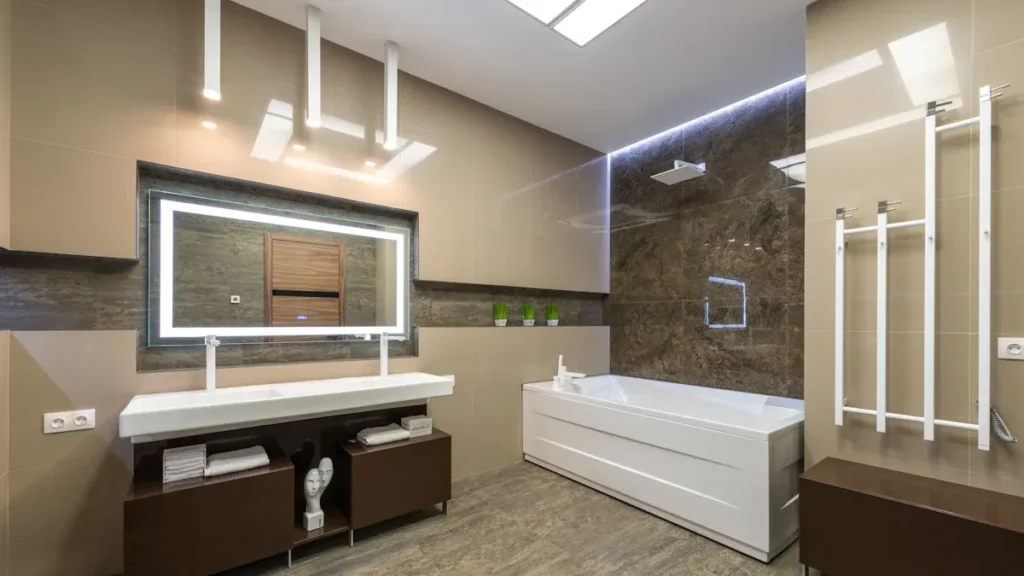
When you think about the perfect vanity height for your bathroom, you probably picture something close to 34 inches. That’s the standard, but the best bathroom vanity height really depends on who uses it most. Your age, height, and even your morning routine can change what feels comfortable. Take a look at how different heights can affect you:
| Aspect | Details |
|---|---|
| Counter Height | Usually between 32 to 36 inches for comfort and accessibility. |
| User Comfort | The right height makes movement easy and natural. |
| Daily Routine Impact | A perfect vanity height helps your day start smoothly. |
Choosing the right height makes your bathroom feel good and look stylish.
主要收获
- Consider user height when choosing a bathroom vanity. Taller individuals may prefer heights of 34 to 36 inches, while shorter users might find 30 to 32 inches more comfortable.
- Measure both the sink and countertop together. This ensures the total height is comfortable for daily tasks like brushing teeth and washing hands.
- Think about accessibility for all family members. Follow ADA guidelines to create a bathroom that is safe and usable for everyone, including children and elderly users.
- Choose a vanity height that can adapt to future needs. Consider adjustable features or plan for growth if you have children.
- Test different heights before making a purchase. Stand next to the vanity space to see what feels comfortable for your daily routine.
What is the Standard Bathroom Vanity Height?
When you start shopping for a new bathroom vanity, you’ll notice a range of standard heights. These measurements have changed over the years, reflecting shifts in design and comfort. Let’s break down what you’ll find and how each option fits different needs.
Traditional Vanity Heights
Traditional vanities used to be much shorter than what you see today. In the 1980s, most bathroom vanities stood at about 30 inches tall. This height worked well for kids and made it easy to reach the sink, but adults often had to bend over, which could be uncomfortable.
- Standard vanity sizes from past decades:
- 29 to 30 inches tall in older homes
- Increased to 32 inches as average heights changed
- Today, many traditional vanities measure around 34 inches
Standard vanity heights range from 30 to 34 inches, while comfort height vanities are typically 34 to 36 inches, catering to the average adult standing posture.
If you want a classic look or need a vanity for a guest bathroom, these standard heights might be perfect for you. They offer a timeless style and work well in smaller spaces.
Comfort Height Vanities
Modern bathrooms often feature comfort height vanities. These stand between 34 and 36 inches tall, similar to kitchen counters. You’ll find that comfort height vanities make daily routines easier, especially if you’re taller or want to avoid bending over.
- Comfort height vanities help reduce back strain
- They provide easier access for adults and older teens
- These vanities match contemporary design trends
Comfort height vanities are designed to enhance user satisfaction by reducing strain on your back and knees. You can brush your teeth or wash your face without stooping. This ergonomic design is especially helpful for adults and anyone with mobility concerns.
| User Height | Recommended Vanity Height |
|---|---|
| 5’0″ – 5’3″ | 32″ – 33″ |
| 5’4″ – 5’9″ | 34″ – 35″ |
| 5’10” and above | 35″ – 36″ |
If you want the best bathroom vanity height for your family, consider who will use the space most. Comfort height vanities fit most adults and make your bathroom feel modern and functional.
Heights for Kids and Families
If you have young children or live in a multi-generational home, you’ll want to think about accessibility. Lower standard heights, around 30 to 32 inches, work well for kids and older adults. You can also use a step stool to help children reach the sink safely.
- For children or elderly users, a vanity height of 30″-32″ is recommended
- Families with growing kids often choose 32-34 inches and add a step stool for flexibility
You might want to pick a vanity that fits everyone, or choose a height that works for your kids now and plan to adjust as they grow. The perfect vanity height balances comfort, safety, and style for all ages.
Tip: If you’re designing a family bathroom, look for standard vanity sizes that allow for easy upgrades or adjustments as your needs change.
Comparing Standard Heights
Let’s sum up the most common standard heights you’ll see:
- Common standard vanity heights range from 30″ to 36″
- Ideal height varies based on user height and household needs
- Comfort height vanities (34-36″) are now the most popular choice for adults
- Traditional vanities (30-34″) suit kids, guest bathrooms, or classic designs
Choosing the right bathroom vanity height means thinking about who will use it, how often, and what feels comfortable for your daily routine. With so many standard heights and styles available, you can find the perfect fit for your space.
Factors Affecting Bathroom Vanity Height
When you pick out a new vanity, you want it to fit your life, not just your bathroom. Several factors to consider can help you find the right balance between comfort, style, and function. Let’s break down what really matters.
User Height and Household Needs
Your height and the needs of everyone in your home play a big role in choosing the best bathroom vanity height. If you’re tall, you probably get tired of bending over a short sink. If you have kids, you want them to reach the faucet without a struggle. Here’s a quick look at how user height matches up with preferred vanity heights:
| User Height Category | Preferred Vanity Height |
|---|---|
| Taller individuals (6 feet+) | 36 inches (comfort height) |
| Average height adults | 34 inches |
| Children | 30-32 inches (standard height) |
You might have a mix of heights in your family. In that case, aim for a middle ground or add a step stool for younger kids. If you have elderly family members, a lower vanity or an adjustable option can make daily routines easier.
Tip: Stand straight and bend your elbows at a 90-degree angle. The top of the vanity should be just below your elbows for the most comfortable use.
Sink Style and Countertop Thickness
Sink style changes everything when it comes to final vanity height. Some sinks sit on top of the counter, while others are installed underneath. The thickness of your countertop also adds to the total height.
| Sink Style | Recommended Vanity Height |
|---|---|
| Vessel Sink | 28″-32″ |
| Undermount Sink | 30″-34″ |
If you love the look of a vessel sink, remember that it adds several inches above the counter. You’ll want a lower vanity base to keep the overall height comfortable. For undermount sinks, you can stick with standard or comfort height vanities. Always measure both the sink and the countertop before you decide.
Bathroom Layout and Space
The size and shape of your bathroom can affect your choice. In a small bathroom, a lower vanity can make the space feel bigger and give you more room to move. In a larger bathroom, you have more freedom to choose a taller vanity that stands out.
| Fixture/Area | Minimum Clearance |
|---|---|
| In front of toilet | 24″ |
| In front of vanity | 30″ |
| For shower entry | 24″ |
| Between fixtures | 12″ |
| In front of sink and vanity | 30″ |
| On each side of vanity | 15″ |
| In front of toilet | 21″ |
You want to make sure you have enough clearance around your vanity. This helps everyone move safely and comfortably, especially in busy family bathrooms.
Accessibility and Special Needs
If you or someone in your home uses a wheelchair or has mobility challenges, you need to pay close attention to accessibility. The Americans with Disabilities Act (ADA) recommends that sinks should not be mounted higher than 34 inches from the floor. You also need enough knee space underneath—at least 27 inches high, 30 inches wide, and 19 inches deep.
- Sinks should not be higher than 34 inches from the floor.
- Provide at least 27 inches of knee space below the sink for seated users.
- Make sure the area is at least 30 inches wide and 19 inches deep for easy access.
Choosing an accessible vanity makes your bathroom safer and more comfortable for everyone.
Storage and Design Choices
Storage needs can change the height you pick. In a big bathroom, you might want a taller vanity for extra drawers and cabinets. This gives you more space for towels, toiletries, and cleaning supplies. In a small bathroom, a lower vanity can help the room feel open and less crowded, but you may need to get creative with storage.
A taller vanity can also become a design feature, making your bathroom look modern and stylish. Just remember to balance storage with comfort and accessibility.
Note: Always think about how your needs might change in the future. A vanity that works for you now should still feel right as your family grows or your lifestyle changes.
When you look at all these factors to consider, you’ll see that the perfect bathroom vanity height depends on your unique situation. Take your time, measure carefully, and choose a height that fits your daily life.
Bathroom Sink Height and Counter Height
Types of Bathroom Sinks
You have a lot of choices when it comes to bathroom sinks. Each type affects the final sink height and how comfortable your bathroom feels. Here are the most common options:
- Undermount sinks sit below the countertop. They give you a smooth look and make cleaning easy.
- Drop-in sinks rest on top of the counter. These are simple to install and work with most standard counter heights.
- Vessel sinks sit above the counter. They look stylish but add extra inches to the total sink height.
- Wall-mounted sinks attach directly to the wall. These work well in small bathrooms and let you set the exact height.
Choosing the right sink style helps you get the perfect balance between function and design.
Height and Usability Considerations for Sinks
You want your bathroom vanity height and sink height to fit everyone who uses the space. Accessibility matters, especially if you have kids, older adults, or anyone with mobility needs. Smaller sinks can make daily routines harder, so pick a size that works for all users.
- Vessel sinks need a shorter vanity base because the bowl sits on top. Aim for a combined counter and sink height of 34 to 36 inches for comfort.
- Make sure the sink rim is easy to reach. Adjust the counter height if you choose a vessel sink.
- A standard maximum lavatory height is 34 inches, which suits most adults.
| Specification | Height (inches) |
|---|---|
| Maximum Lavatory Height | 34 |
Tip: Always think about who will use the bathroom most. The right sink height makes brushing teeth and washing hands much easier.
How to Measure the Sink and Counter Height Together?
Measuring your bathroom sink and counter height together helps you avoid surprises. Here’s how you can do it:
- Stand next to where your vanity will go. The basin should line up with your hip for comfort.
- Standard basin height usually falls between 80 cm and 85 cm (about 31.5″ to 33.5″) from the floor to the rim.
- If you have kids, you might want a lower height. Taller adults may prefer a higher installation.
- Good ergonomics mean less strain on your back, shoulders, and wrists.
Note: Always measure both the vanity and the sink before you buy. This way, you get a bathroom that feels just right.
Balance Function and Style
You want your bathroom to look great and work well. Designers often pick a standard height of 32 inches for vanities, but comfort height (36 inches) is now popular for reducing back strain. In shared bathrooms, a height of 32 to 34 inches fits most people. For kids, go lower for easier access.
| 系数 | Details |
|---|---|
| Height | Standard height is 32 inches; comfort height (36 inches) is popular. |
| Accessibility | Open undersink areas help with wheelchair access and universal design. |
| Storage needs | Choose vanities with drawers, shelves, or cabinets for your storage. |
Think about your bathroom type, layout, and who will use it. Lower vanities work well in powder rooms, while taller ones suit primary bathrooms or spaces with high ceilings. The right bathroom vanity height and sink height make your space both beautiful and practical.
Measure Standard Bathroom Vanity Height
Common Vanity Dimensions
When you shop for a new bathroom vanity, you’ll notice a few standard sizes. These dimensions help you plan your space and make sure your vanity fits just right. Here’s a quick look at the most common options:
| Type of Vanity | Width (inches) | Depth (inches) | Height (inches) |
|---|---|---|---|
| Single-Sink Vanity | 24, 30, 36, 48 | 20 – 23 | 30 – 36 |
| Double-Sink Vanity | 48, 60, 72 | 20 – 23 | 30 – 36 |
Most vanities stand between 30 and 36 inches tall. This range covers both standard and comfort heights. You’ll find that a single-sink vanity works well in smaller bathrooms, while a double-sink vanity fits best in larger spaces. The depth usually stays between 20 and 23 inches, giving you enough counter space without crowding the room.
Tip: Always check the width and depth before you buy. This helps you avoid surprises when you install your new vanity.
Step-by-Step Measuring Guide
Measuring your bathroom vanity height at home is easier than you might think. You just need a tape measure and a few minutes. Here’s a simple guide to help you get it right:
- Start by measuring from the floor to the top of your current countertop. If you don’t have a vanity yet, measure up from the floor to your desired counter height.
- Compare your measurement to the standard range. Standard vanities are usually 30 to 34 inches tall. Comfort height vanities go up to 36 inches.
- Think about who will use the vanity most. If you’re taller, a comfort height vanity (around 36 inches) can help reduce back strain. For kids or shorter adults, a standard height (30 to 34 inches) might feel better.
- Don’t forget to factor in the sink height if you plan to use a vessel sink. This style adds extra inches above the counter.
- Test the height before you commit. Stand next to the spot and see if the counter height feels comfortable for daily tasks like brushing your teeth or washing your hands.
Note: Taking a few minutes to measure now can save you a lot of hassle later. The right bathroom vanity height makes your space more comfortable and functional for everyone.
Mistakes to Avoid
When you choose a new bathroom vanity, it’s easy to overlook a few key details. These mistakes can lead to daily frustration or even costly changes down the road. Let’s look at the most common errors and how you can avoid them.
Ignoring User Comfort
You want your bathroom to feel good every time you use it. If you ignore comfort, you might end up with a vanity that’s too high or too low. This can make brushing your teeth or washing your hands a hassle.
“Bathroom vanity height is important for making sure your daily activities are accessible and comfortable,” says Stephanie Pierce, director of design and trends for MasterBrand Cabinets.
Check out this table to see how design issues can impact your comfort:
| Design Issue | Impact on User Comfort |
|---|---|
| Vanities installed at incorrect heights | Causes daily frustration and discomfort during use. |
| Awkwardly opening cabinets | Leads to inconvenience and potential damage to items. |
| Accessibility features missing | Neglects the needs of elderly users or children, reducing usability. |
Always measure your space and think about who will use the vanity most. The right bathroom vanity height makes a big difference in your daily routine.
Overlooking Sink and Countertop
Many people forget to factor in the sink height and countertop thickness. If you pick a vessel sink, it adds extra inches above the counter. This can make the total counter height too tall for comfort.
- Always measure both the vanity and the sink before you buy.
- Choosing the wrong size can make your bathroom feel cramped or awkward.
- Double-check the combined height to avoid surprises.
Forgetting Accessibility
If you skip accessibility, you might make your bathroom hard to use for some family members. ADA guidelines help you create a space that works for everyone.
| Tip | 说明 |
|---|---|
| Thoughtful Planning | Ensures restroom designs are safe and welcoming for all. |
| ADA Guidelines | Following these principles promotes independence, dignity, and inclusivity. |
- An ADA-compliant bathroom gives equal access to people with disabilities.
- You ensure everyone can use the sink and vanity comfortably.
Not Planning for Growth or Change
Your needs can change over time. Maybe your kids will grow, or you’ll have older relatives move in. If you don’t plan ahead, you might need to replace your vanity sooner than you think.
- Pick a bathroom vanity height that fits your family now and in the future.
- Consider adjustable features or step stools for flexibility.
Tip: A little planning now saves you time and money later. Choose a vanity that adapts as your life changes.
Finding the perfect bathroom vanity height starts with a few simple steps:
- Think about your height and who will use the vanity most.
- Measure your current vanity and compare it to standard and comfort heights.
- Consider your sink style and how it affects the final counter height.
- Test different heights to see what feels best for daily routines.
Always put comfort and function first. Measure and test before you buy. When you choose the right vanity and sink height, you create a bathroom everyone can enjoy—now and in the future! 🚿
常见问题
What is the best bathroom vanity height for most people?
Most people feel comfortable with a bathroom vanity height between 32 and 36 inches. This range works well for daily routines and matches the average adult’s needs. Always check your own measurements before you decide.
How do I measure the right sink height for my bathroom?
Use a tape measure to check from the floor to the top of the sink rim. For vessel sinks, include the bowl’s height. Aim for a total sink height that feels easy to reach and matches your counter height.
Can I adjust my vanity height after installation?
You can’t easily change the height once installed. If you need flexibility, try using a step stool for kids or choose a wall-mounted vanity. Always plan your measurements before you buy.
Does countertop thickness affect the final vanity height?
Yes! Thicker countertops add extra inches to your total counter height. Always include the countertop in your measurements to make sure your bathroom vanity height feels right.
What’s the ideal vanity height for a family bathroom?
A height between 32 and 34 inches usually works for families. This range lets kids reach the sink with a stool and keeps things comfortable for adults. Think about everyone’s needs before you pick your vanity height.