Ever walked into a hardware store and wondered about the difference between sheetrock and drywall? You’re not alone. Many people use the terms sheetrock and drywall interchangeably, but there are some key things to know. Sheetrock is a brand of drywall, and USG, the company behind it, makes up about 25% of the North American drywall market. Some folks think sheetrock is just another name for drywall, but sheetrock stands out with a denser core and added wood fibers. This gives it more strength and makes it less absorbent than standard drywall. These benefits can make a real difference for your project. Still, with so many brands out there, the sheetrock vs. drywall debate comes up often. Let’s clear up the confusion and help you decide which is the better fit for your needs.
主要收获
Sheetrock is a brand of drywall, not a different product. All sheetrock is drywall, but not all drywall is sheetrock.
Choose sheetrock for projects needing durability and moisture resistance. It performs better in high-traffic areas and wet conditions.
Consider the cost: sheetrock is pricier but offers better quality and longevity. Generic drywall is budget-friendly but may require more repairs.
Select the right thickness for your project. Use 1/2 inch for general use and 5/8 inch for added durability and fire resistance.
For specialized needs, like fire or moisture resistance, sheetrock provides more options than standard drywall.
Sheetrock vs. Drywall Overview
What Is Drywall?
Drywall is a building material you see in almost every home and office. It’s made by pressing a layer of gypsum plaster between two sheets of heavy paper. This creates a flat, smooth panel that builders use to make walls and ceilings. Drywall is popular because it’s easy to install, affordable, and gives a clean look to any room.
Here’s a quick look at how drywall is made:
Material/Process | 说明 |
|---|---|
Primary Component | Gypsum, a light-density rock, is the main ingredient in drywall, composed of calcium sulfate and water. |
Paper Types | Two types of paper are used: ivory manila face paper and gray back paper, both made from recycled newspaper. |
Manufacturing Process | Gypsum is sandwiched between paper layers, dried, and cut into panels. Various additives may be included for specific properties. |
Drying Process | Panels are dried in a gas-fired oven, with controlled humidity and temperature during the process. |
People sometimes call drywall “gypsum board” or “plasterboard.” No matter the name, drywall is the go-to choice for fast, clean construction.
What Is Sheetrock?
Sheetrock is a brand name, but it’s so well-known that many people use it to mean any drywall. Sheetrock is made by USG Corporation and has been around since the 1930s. In the sheetrock vs. drywall debate, it’s important to know that all sheetrock is drywall, but not all drywall is sheetrock.
What makes sheetrock stand out? It uses a higher-grade gypsum core and special additives. The paper facing is patented and bonds better to the core. Sheetrock also has options with fiberglass reinforcement and moisture resistance. Here’s a quick comparison:
特点 | Standard Drywall | Sheetrock |
|---|---|---|
Core Material | Soft gypsum plaster core | Higher-grade gypsum core |
Additives | None specified | Proprietary processes and additives |
Durability | Susceptible to moisture and damage | Enhanced durability and reduced sagging |
Paper Facing | Standard paper | Patented paper with enhanced bonding |
Special Features | None specified | Fiberglass reinforcement, moisture resistance |
Note: Sheetrock became famous because it was used in big projects like the Chicago World’s Fair and government buildings. Its reputation for quality helped it become the top drywall brand.
The main confusion comes from people using the words sheetrock and drywall as if they mean the same thing. In reality, sheetrock is a specific type of drywall with extra features. When you compare sheetrock vs drywall, think of it like comparing a brand-name soda to a regular one—they’re similar, but the brand has a few perks.
Now that you know the basics, let’s dive deeper into the differences and see which one is right for your next project.
Sheetrock vs. Drywall: Key Differences
Brand vs Product Type
When you look at sheetrock vs. drywall, the first thing to know is that sheetrock is a brand, while drywall is the general product. Sheetrock is marketed as a premium option. It stands out because of its tighter manufacturing tolerances and special engineering. You’ll often see sheetrock with a price tag that’s 12–20% higher than generic drywall. This higher cost comes from the controlled core chemistry and the way the paper sticks to the core. These details help boost performance and make sheetrock a top choice for many builders.
Sheetrock is a brand name, not a product type.
Drywall is the general term for all gypsum-based wall panels.
Sheetrock is sold as a premium product with specific benefits.
Generic drywall is a basic, budget-friendly option.
Quality and Performance
Quality and performance matter a lot when picking between sheetrock and drywall. Sheetrock goes through strict manufacturing processes. This gives it an edge in durability and strength. It handles bumps and knocks better than most drywall brands. Sheetrock also shows better load and impact resistance, which means it holds up well in busy spaces. Both types offer fire resistance, but some sheetrock products have extra fire protection. This can be important for safety in homes and offices.
Sheetrock has high-grade material consistency.
It is less likely to get dents or dings.
Sheetrock’s performance stands out in high-traffic areas.
Fire resistance is strong in both, but sheetrock can offer more.
Typical Uses
You might wonder where each type works best. Here’s a quick look:
Type of Project | Sheetrock Use Cases | Generic Drywall Use Cases |
|---|---|---|
High-Traffic Areas | Hallways, commercial spaces (needs durability) | Less preferred for these spots |
High-Quality Finishes | Projects needing smooth, flawless surfaces | May not meet high finish standards |
Moist Conditions | Bathrooms, basements (moisture resistance) | Standard options available |
Sheetrock is often picked for high-end or long-term projects where quality and durability are key. It’s also great in places with moisture or where fire resistance matters. Generic drywall works well for basic walls and ceilings where budget is the main concern. When comparing sheetrock vs drywall, think about your project’s needs for performance, fire resistance, and durability.
Types of Drywall
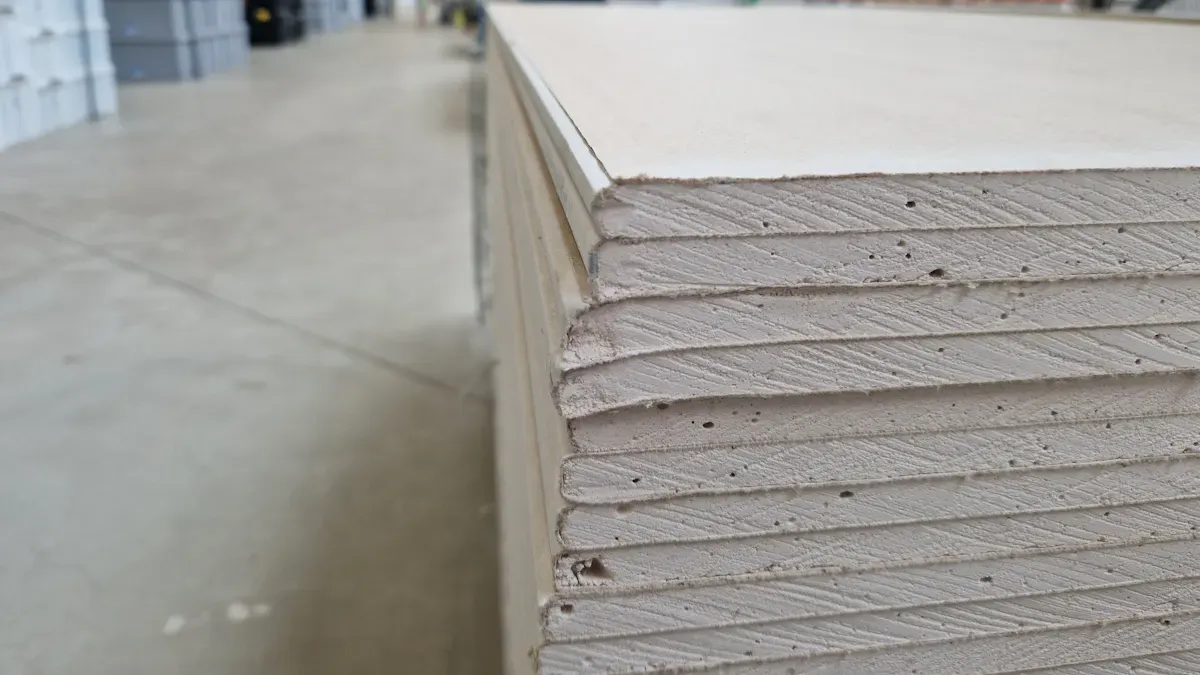
When you walk through a home improvement store, you’ll see several types of drywall. Each one has its own strengths and is made for specific situations. Let’s break down the most common options so you can pick what works best for your project.
Standard Drywall
Standard drywall is the go-to choice for most walls and ceilings. It’s affordable and easy to install. You’ll find it in living rooms, bedrooms, and hallways. Builders often use standard sheetrock for general interior walls because it’s cost-effective and gives a smooth finish. Offices, retail spaces, and lobbies also rely on standard drywall for quick construction.
Here’s a quick look at where standard drywall fits in:
Application | Recommended Drywall Type | Key Features | Common Commercial Use |
|---|---|---|---|
General interior walls | Standard 1/2″ Sheetrock | Cost-effective, easy to finish | Offices, retail spaces, lobbies |
Standard drywall does not offer moisture resistance or mold resistance. It works best in dry areas with low humidity.
Moisture-Resistant Drywall
Moisture-resistant drywall is made for places where water and humidity are a concern. Bathrooms, kitchens, basements, and laundry rooms need extra protection. This type of drywall has a special core and paper facing that help block moisture. It also offers mold resistance, which keeps your walls safer in damp spaces.
Drywall Type | Moisture Resistance Rating | Ideal Applications |
|---|---|---|
Standard Drywall | Zero resistance | Dry living areas, low-humidity homes |
Moisture-Resistant Drywall | High mold deterrence | Bathrooms, kitchens, basements, laundry |
Tip: If you want to avoid mold problems, choose moisture-resistant drywall for any area that gets wet. Sheetrock also comes in moisture-resistant versions, so you can get the benefits of both quality and protection.
Fire-Resistant Drywall
Fire-resistant drywall is a must for garages, multi-family walls, and commercial buildings. It’s made with special additives that slow down fire and protect your home. Sheetrock offers fire-resistant options that meet strict building codes. These panels contain gypsum, which releases steam when heated and helps stop fire from spreading.
Type X drywall can provide up to four hours of fire resistance for walls and three hours for ceilings.
Type C drywall gives enhanced protection, with one to two hours of fire resistance depending on thickness.
Fire-resistant drywall is required in high-occupancy spaces, just like sheetrock in commercial projects.
If you need extra safety, fire-resistant drywall is the way to go. It’s a smart choice for areas where fire risk is higher.
Drywall Type | Ideal Applications | Cost Range (per sq ft) |
|---|---|---|
Standard Drywall | Dry living rooms, bedrooms, hallways | $0.30 – $0.60 |
Moisture-Resistant Drywall | Bathrooms, kitchens, basements | $0.50 – $0.80 |
Fire-Resistant Drywall | Garages, multi-family walls, commercial | $0.60 – $1.00 |
Choosing the right types of drywall makes your project last longer and keeps your home safer. Sheetrock offers versions for every need, so you can match the right panel to each room. Think about moisture resistance, mold resistance, and fire protection before you decide.
Standard Drywall and Sheetrock Sizes
When you start a drywall project, picking the right size and thickness matters. Both sheetrock and generic drywall come in several options. Let’s break down what you need to know so you can make the best choice for your installation.
Thickness Options
Thickness is a big deal in the world of drywall. You’ll see two main thicknesses: 1/2 inch and 5/8 inch. Each one has its own strengths. If you want something light and easy to handle, 1/2 inch panels are the way to go. These work well for most walls and ceilings. They make the installation process faster and simpler, especially if you’re working alone.
If you need more durability or fire resistance, 5/8 inch panels are your best bet. These are tougher and hold up better in busy spaces. Builders often use them in commercial settings or places where safety is a concern. Sheetrock and generic drywall both offer these thicknesses, but sheetrock usually delivers higher quality and consistency.
Here’s a quick comparison:
Thickness | Performance Characteristics |
|---|---|
1/2 inch | Lighter and easier to handle, suitable for general use |
5/8 inch | More durable, better fire resistance, often used in fire-rated applications |
Sheetrock stands out with its denser core and special additives. This boosts durability and makes it less likely to sag or crack. If you’re looking for quality, sheetrock’s 5/8 inch panels are a solid choice. They also meet stricter fire codes, which is important in garages or apartment buildings.
Tip: For rooms where you need extra protection, like kitchens or basements, go with thicker panels. Sheetrock’s fire-resistant options, such as Type X, can give you peace of mind.
Type X drywall is designed for fire resistance. It achieves a minimum fire resistance rating of one hour. This comes from its unique composition, which includes non-combustible glass fibers. These fibers help the panel stay strong during a fire. Generic drywall doesn’t have these features, so it offers less protection. If safety is a priority, sheetrock’s fire-rated panels are worth the investment.
Common Panel Dimensions
Drywall panels come in different sizes. The most common size is 4 feet by 8 feet. This size fits most rooms and makes installation easier. You can also find panels that are 4 feet by 12 feet. These longer panels cover more area and reduce the number of seams. Fewer seams mean a smoother finish and less work during installation.
Sheetrock and generic drywall both offer these standard sizes. Sheetrock panels are often straighter and more uniform, which helps with quality and makes the installation process go smoothly. If you’re working on a big project, larger panels can save time and effort.
Here’s a quick list of common panel dimensions:
4 ft x 8 ft: Most popular for walls and ceilings
4 ft x 12 ft: Great for long walls, fewer seams
2 ft x 2 ft: Used for patching or small repairs
Sheetrock’s quality control means you get panels that are less likely to warp or break. This makes installation easier and helps your finished walls look better. Generic drywall can work for basic jobs, but you might notice more imperfections.
Note: If you want a flawless finish, choose sheetrock for its quality and durability. It’s especially helpful in rooms where you need strong, fire-resistant walls.
When you compare sheetrock vs drywall, think about your project’s needs. Sheetrock offers better durability, higher quality, and easier installation. Generic drywall is cheaper and works for simple jobs, but it may not last as long. Picking the right thickness and size will make your installation process smoother and your walls stronger.
Sheetrock vs. Drywall Cost Comparison
Let’s talk about the cost comparison between sheetrock and drywall. When you walk into a store, you’ll notice that price is often the first thing people check. Sheetrock usually costs more than generic drywall. This happens because sheetrock offers higher quality, better durability, and extra features. Builders often choose sheetrock for projects where durability matters most.
Here’s a quick price comparison for material cost per square foot:
Type of Drywall | Average Cost per Square Foot |
|---|---|
Generic Drywall | $1.30 – $2.02 |
Sheetrock | $1.50 – $2.20 |
Sheetrock costs a bit more, but you get extra durability and quality. If you want walls that last longer and resist damage, sheetrock is a smart choice. Generic drywall works well for basic projects and tight budgets. You can save money, but you might sacrifice some durability.
Installation is another factor to consider. Sheetrock panels are straighter and easier to handle. This makes installation faster and reduces labor costs. Generic drywall may require more adjustments during installation, which can slow down the process. If you’re doing a DIY project, sheetrock can make installation smoother.
Let’s break down the main points:
Sheetrock costs more, but offers better quality and durability.
Generic drywall is cheaper, but may not last as long.
Sheetrock makes installation easier and faster.
Drywall installation costs depend on panel quality and thickness.
If you want a wall that stands up to daily wear and tear, sheetrock is worth the extra cost. For simple projects, generic drywall keeps your budget in check.
When comparing sheetrock vs. drywall, think about your project needs. The cost comparison shows that sheetrock is a premium option. You pay more upfront, but you get better durability and easier installation. If you value quality, sheetrock is the way to go.
Conclusion: Sheetrock vs. Drywall: Which One Should You Choose?
Choosing between sheetrock and drywall can feel overwhelming, especially if you’re planning a renovation. Let’s make it simple. Both materials look similar and serve the same basic purpose, but a few key differences can help you pick the right one for your renovation projects.
So, which should you choose in the sheetrock vs. drywall debate? If you want durability, fewer repairs, and more choices for specialty needs, sheetrock is a smart pick. For basic walls or tight budgets, generic drywall works well. Think about your space, your budget, and how long you want your renovation to last. The right choice will help your project look great and stand the test of time.
If you want a wall that lasts and resists damage, sheetrock is a smart pick. For basic projects, drywall works well. Think about your needs, budget, and where you’ll use each one. You’ve got this!
常见问题
Is Sheetrock the same as drywall?
No, sheetrock is a brand of drywall. All sheetrock is drywall, but not all drywall is sheetrock. When people talk about “sheetrock vs drywall,” they usually mean comparing the brand to other types of drywall.
What is the main difference between gypsum and drywall?
Gypsum is a natural mineral. Drywall is a building panel made from gypsum sandwiched between paper layers. So, when you hear “gypsum vs drywall,” remember that gypsum is the core ingredient in all drywall.
Which is better for bathrooms: sheetrock or drywall?
Moisture-resistant sheetrock works great in bathrooms. It resists mold and water damage better than standard drywall. For wet areas, always pick panels labeled for moisture resistance.
Does sheetrock cost more than regular drywall?
Yes, sheetrock usually costs a bit more than generic drywall. The higher price comes from its added strength, durability, and special features. Many people find the extra cost worth it for long-lasting results.
Can I use regular drywall for ceilings?
You can use regular drywall for ceilings, but 5/8-inch sheetrock panels are stronger and sag less over time. For ceilings, especially in larger rooms, thicker panels give better support and a smoother finish.