

Choosing between a cast iron vs acrylic bathtub depends on your priorities. Acrylic tubs suit those seeking affordability and easy installation. Cast iron works best for durability and luxury. Recent data shows acrylic bathtubs are more popular worldwide, with over 36 million sold in 2024. Cast iron models remain a top pick for high-end homes. The table below highlights key differences:
Material | Typical tub cost | Durability | Weight/structural notes | Upkeep |
|---|---|---|---|---|
Acrylic | $500–$1,200 | Good | Light to medium | Easy to clean, repairable |
Cast iron | $600–$2,000 | Excellent | Very heavy; disposal costs higher | Very durable finish |
Key Takeaways
Acrylic bathtubs are budget-friendly and easy to install, making them ideal for cost-conscious homeowners.
Cast iron bathtubs offer exceptional durability and heat retention, perfect for those seeking a long-lasting investment.
Consider your bathroom’s structure; cast iron tubs are heavy and may require floor reinforcement, while acrylic tubs are lightweight and easier to fit.
Acrylic tubs provide a wide range of styles and designs, allowing for more customization compared to traditional cast iron options.
Regular maintenance is essential for both types; use gentle cleaners for acrylic and avoid harsh products on cast iron to preserve their finishes.
Overview: Cast Iron vs Acrylic Bathtubs
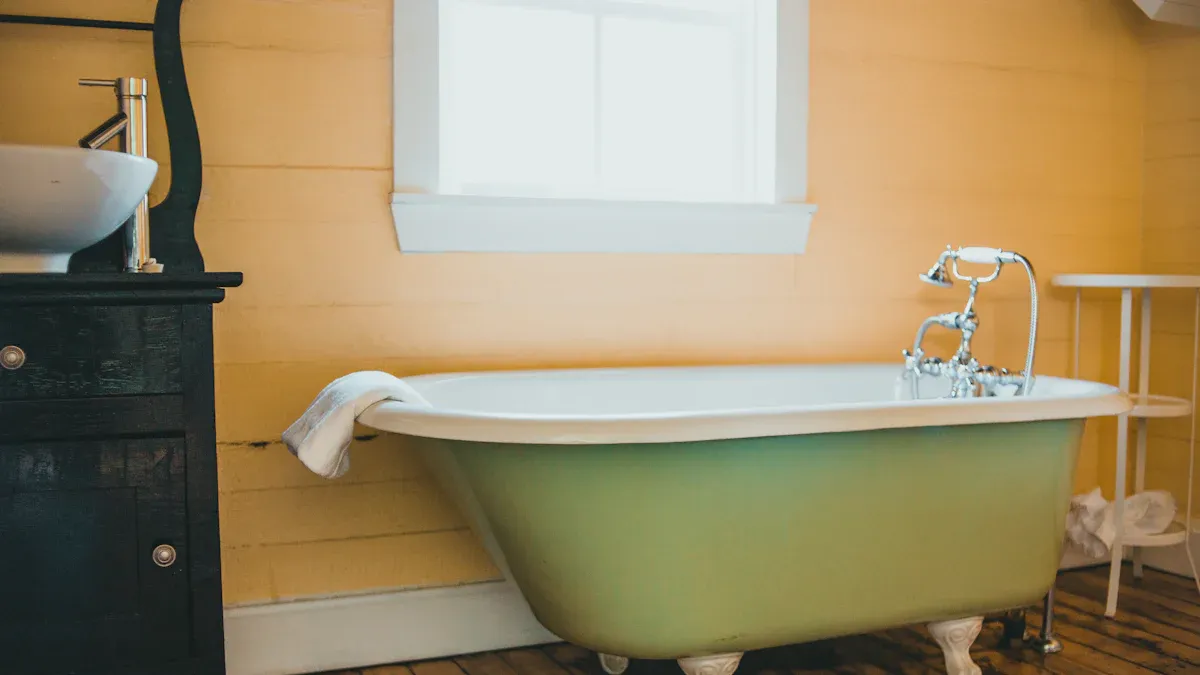
What Is a Cast Iron Bathtub?
A cast iron bathtub is made by pouring molten iron into a mold. After cooling, the tub gets a thick layer of porcelain enamel. This process has been used for over a century. The result is a heavy, solid tub with a glossy, smooth finish. Cast iron bathtubs are known for their strength and classic look. Many people choose them for their long lifespan and traditional style.
Feature | Cast Iron | Acrylic |
|---|---|---|
Iron-carbon alloy coated with porcelain enamel | Fiberglass reinforced acrylic plastic sheets | |
Cost | Generally more expensive | More cost-effective due to cheaper materials |
Durability | Highly durable and long-lasting | Durable, but may not match cast iron’s longevity |
Insulation | Less insulation | Often includes foam insulation for better heat retention |
Pros & Cons of Cast Iron Bathtubs
Pros:
Exceptional durability. Cast iron tubs can last for decades with proper care.
Superior heat retention. Laboratory tests show that cast iron tubs keep water warm about twice as long as uninsulated acrylic tubs. The dense material stores heat, making baths more comfortable.
Classic appearance. The glossy enamel finish gives a timeless look that fits many bathroom styles.
Resistant to scratches and dents. The hard surface stands up well to daily use.
Cons:
Very heavy. Cast iron tubs often weigh over 300 pounds. This can make installation difficult, especially in older homes or on upper floors.
Higher cost. The material and manufacturing process make these tubs more expensive than many alternatives.
Limited design options. Most cast iron tubs come in traditional shapes and sizes.
Maintenance requires care. Harsh cleaners can dull the enamel finish over time.
Tip: If you want a tub that will last for generations and keep your bathwater warm, a cast iron tub is a strong choice. Make sure your bathroom floor can support the weight.
What Is an Acrylic Bathtub?
An acrylic bathtub is made from sheets of acrylic plastic, which are heated and molded into shape. These sheets are reinforced with fiberglass for extra strength. Acrylic tubs are much lighter than cast iron models. They are popular for their versatility and modern designs. Many homeowners choose acrylic tubs for easy installation and a wide range of styles.
- Lightweight: Easy to move and install, which lowers labor costs.
- Durability: Strong and resilient, with color running through the material.
- Heat Retention: Good insulation, especially when foam is added.
- Warm to the Touch: Feels comfortable against the skin.
- Non-Porous Surface: Resists mold and is easy to clean.
- Design Versatility: Can be shaped into many different styles and sizes.
Pros & Cons of Acrylic Bathtubs
Pros:
Lightweight. Acrylic tubs are easy to carry and install, even in tight spaces.
Affordable. The cost is usually lower than cast iron, making them a good choice for budget-friendly remodels.
Wide range of designs. Acrylic can be molded into many shapes, sizes, and colors.
Comfortable. The surface feels warm and smooth, which adds to the bathing experience.
Easy to repair. Minor scratches can often be buffed out.
Cons:
Less durable than cast iron. Acrylic tubs can scratch if abrasive cleaners are used, but many scratches are repairable.
Heat retention is lower unless extra insulation is added. Water cools down faster compared to cast iron.
Can stain if harsh products are used. Regular cleaning with gentle products is important.
May flex under heavy weight if not properly supported.
Type of Tub | Maintenance Requirements |
|---|---|
Acrylic | Easier to clean, but susceptible to scratches and staining. Requires gentle cleaners and soft cloths. |
Cast Iron | More durable, requires careful cleaning to maintain enamel finish. Harsh cleaners can dull the shine over time. |
Note: Acrylic tubs are easier to install and maintain, but they need gentle care to avoid scratches and stains.
Cast Iron vs Acrylic Bathtub: Main Differences
The cast iron vs acrylic bathtub debate centers on several key factors. Cast iron tubs offer unmatched durability and heat retention, but they are heavy and cost more. Acrylic tubs are lighter, easier to install, and come in many styles, but they may not last as long and can lose heat faster. Both types require regular maintenance, but cast iron tubs are more forgiving of daily wear. Acrylic tubs need gentle cleaning to avoid damage. When comparing cast iron vs acrylic, consider your budget, bathroom structure, and style preferences.
Key Differences Between Cast Iron and Acrylic Bathtubs
The cast iron vs acrylic bathtub debate centers on several important factors. Each material offers unique benefits and drawbacks. Understanding these differences helps homeowners make the right choice for their bathroom.
Durability and Longevity
A cast iron tub stands out for its long-term durability. The iron core and porcelain enamel resist chips, scratches, and dents. Many cast iron tubs last for generations. Longevity is a major advantage, as these tubs often remain in good condition for decades. Acrylic bathtubs also offer good durability, but they may not match the longevity of cast iron. Over time, acrylic can develop scratches or stains if not cared for properly.
Heat Retention
Heat retention is another key difference. Cast iron tubs absorb and hold heat well. Bathwater stays warm longer, which adds comfort during long soaks. Acrylic tubs can lose heat faster unless they have extra insulation. Some acrylic models include foam layers to improve heat retention, but they still may not match the performance of cast iron.
Installation Challenges
Installation is often more difficult with cast iron tubs. Their weight ranges from 230 to 500 pounds. This makes them hard to move and position. Professional installers report several challenges:
Challenge Description | Explanation |
|---|---|
Proper leveling and shimming | Shimming is necessary, and using a ledgerboard can help, but adjusting feet is difficult. |
Difficulty accessing the feet | Adjustments often require moving the tub for each shim placement. |
Weight distribution on the subfloor | The heavy tub can deform the subfloor, leading to settling and gaps over time. |
Older homes may need floor reinforcement before installing a cast iron tub. Checking the floor joists is important to prevent sagging or damage. Acrylic bathtubs are much lighter, usually between 60 and 130 pounds. They are easier to carry, transport, and install, especially in upstairs bathrooms.
Style and Design Options
Acrylic bathtubs offer more design choices. Homeowners can pick from several styles:
Freestanding acrylic bathtubs create a luxurious centerpiece.
Drop-in acrylic bathtubs fit into a pre-built structure for a seamless look.
Alcove acrylic bathtubs work well in smaller bathrooms.
Clawfoot acrylic bathtubs add a classic touch with decorative feet.
Cast iron tubs usually come in traditional shapes and sizes. Their classic look fits many bathroom designs, but there are fewer options for customization.
Note: Maintenance for both types is important. Cast iron tubs need gentle cleaning to protect the enamel. Acrylic tubs require non-abrasive cleaners to avoid scratches.
The cast iron vs acrylic bathtub decision depends on your priorities. Cast iron offers unmatched longevity and long-term durability, while acrylic provides easy installation and more style options.
Which Bathtub Material Is Best for You?
Choosing the right bathtub material depends on your priorities, your home’s structure, and your personal preferences. This section will help you match your needs to the best option, whether you want a premium investment, easy to install features, or maximum comfort.
Best for Budget
Budget is often the first consideration in a bathtub material comparison. Acrylic bathtubs are usually the most affordable choice. They offer a wide price range, making them accessible for many homeowners. The table below shows typical costs:
Feature | Acrylic tub | Cast iron tub |
|---|---|---|
Price (tub only) | $300–$2,000 | $1,200–$5,000+ |
Acrylic bathtubs are easy to install, which lowers labor costs. They also have lower repair expenses. Minor scratches can be fixed with inexpensive kits. Cast iron tubs cost more to buy and install. Repairs for chips or rust are pricier. If you want the best value for your investment and need to keep costs down, acrylic is the smart choice.
Tip: For budget remodels, acrylic bathtubs and acrylic vs fiberglass options are both affordable and easy to install.
Best for Durability
Durability is a key factor when choosing bathtub materials. Cast iron tubs are known for their strength and long lifespan. They can last over 50 years, making them a premium investment for your home. Acrylic bathtubs are moderately durable, with a lifespan of 10–15 years or longer if cared for properly.
Bathtub Type | Durability Rating | Lifespan |
|---|---|---|
Cast Iron | Highly durable | 50+ years |
Acrylic | Moderately durable | 10–15 years (or longer) |
Cast iron resists daily wear and impact. If the enamel chips, repairs are more expensive, but the tub itself rarely needs replacing. Acrylic bathtubs can scratch or stain, but these issues are easy to repair. For those seeking a long-term investment, cast iron offers unmatched value.
Cast iron bathtubs can last between 50 to 100 years.
Acrylic bathtubs typically last around 15 to 30 years.
Best for Easy Installation
Many homeowners want a bathtub that is easy to install. Acrylic bathtubs are lightweight, which makes them easy to move and fit into place. Most installations require less labor and rarely need extra crew or equipment. Cast iron tubs are heavy and often need floor reinforcement, especially in older homes.
Install factor | Acrylic | Cast iron |
|---|---|---|
Typical labor time | Lower | Higher |
Extra crew/equipment | Rare | Common |
Structural review/reinforcement | Less common | More common |
Acrylic bathtubs are easy to install in almost any bathroom, including upper floors. Cast iron tubs may not suit older homes without strong floors. If you want a quick, easy to install solution, acrylic is the best material. Freestanding tubs made from acrylic are also easy to install and move.
Note: Acrylic vs fiberglass tubs are both easy to install, but acrylic offers more design choices.
Best for Style and Customization
Style and customization matter for many homeowners. Acrylic bathtubs offer the most variety. You can choose from alcove, drop-in, and freestanding tubs. Shapes and sizes range from compact to deep soaking models. Modern trends include matte finishes, thin edges, and minimalist designs.
Acrylic bathtubs are available in many colors, including matte white, soft greys, earth tones, and even bold matte black. Cast iron tubs focus on classic styles like vintage and clawfoot designs. Customization is limited with cast iron, but these tubs add timeless elegance.
Acrylic bathtubs are ideal for those who want a modern look or need a tub to fit a unique space. Freestanding tubs in acrylic are popular for their flexibility and style.
Best for Comfort
Comfort is essential for a relaxing bath. Cast iron tubs excel in heat retention. Their high thermal mass keeps water warm for a long time, creating a cozy, soaking comfort. This makes them a premium investment for those who love long baths.
Cast iron bathtubs maintain a warm bathing environment.
The insulation properties of cast iron minimize heat loss.
Gradual heat dissipation ensures a consistent and pleasant experience.
Acrylic bathtubs also provide comfort. Many feature ergonomic contours that support the back, neck, and legs. These designs help improve posture and relieve stress. Acrylic warms quickly to the touch, adding to the comfort. For those who want a tub that is easy to install and offers enhanced comfort, acrylic is a great choice.
Enhanced comfort: Contours support the body for relaxation.
Improved posture: Supports natural alignment.
Stress relief: Soothes tension in the body.
Deep soaking tubs are trending, especially in acrylic. They allow full body immersion and create a spa-like experience at home.
Environmental Factors
Environmental impact is important for many buyers. Cast iron bathtubs have a strong recyclability profile. The metal can be recycled without losing its properties. Their long lifespan means fewer replacements and less waste. Acrylic bathtubs are lighter, which reduces transportation emissions and makes them easy to install. However, recycling acrylic is less reliable and depends on local facilities.
Cast iron bathtubs can be recycled at the end of their life.
Acrylic bathtubs may not be as widely recyclable.
If sustainability is a priority, cast iron is a better investment for the environment. If you want a lighter footprint during installation, acrylic is a good choice.
When making a bathtub material comparison, consider your budget, installation needs, style preferences, comfort, and environmental values. Cast iron is a premium investment for durability, heat retention, and classic style. Acrylic bathtubs are easy to install, affordable, and offer modern designs. Both materials provide value, but the best choice depends on your priorities.
Choosing between a cast iron bathtub and an acrylic bathtub depends on your needs:
Cast iron bathtubs offer top durability and excellent heat retention.
Acrylic bathtubs are best for budget-friendly projects and easy installation.
Style and comfort options are greater with acrylic tubs.
Tip: Visit a showroom or talk to a bathroom professional before making your final decision. This helps you see the materials and find the best fit for your home.
FAQ
What is the main difference between a cast iron bathtub and an acrylic bathtub?
A cast iron bathtub uses heavy iron coated with enamel. It lasts longer and keeps water warm. An acrylic bathtub uses lightweight plastic reinforced with fiberglass. It offers more styles and is easier to install.
Can I install a cast iron bathtub on any floor?
Not always. Cast iron bathtubs are very heavy. Some floors, especially in older homes, may need extra support. Always check with a contractor before installing a cast iron tub upstairs.
How do I clean an acrylic bathtub without causing damage?
Use a soft cloth and mild soap. Avoid abrasive cleaners or rough sponges. These can scratch the surface of an acrylic bathtub. Regular gentle cleaning keeps the tub looking new.
Which bathtub material is better for long, hot baths?
Cast iron bathtubs hold heat longer. The thick material keeps bathwater warm for a relaxing soak. Acrylic bathtubs cool down faster unless they have extra insulation.
Are acrylic bathtubs less durable than cast iron tubs?
Acrylic bathtubs resist chips and cracks but can scratch more easily. Cast iron bathtubs are stronger and last longer. Both types need proper care for the best results.