
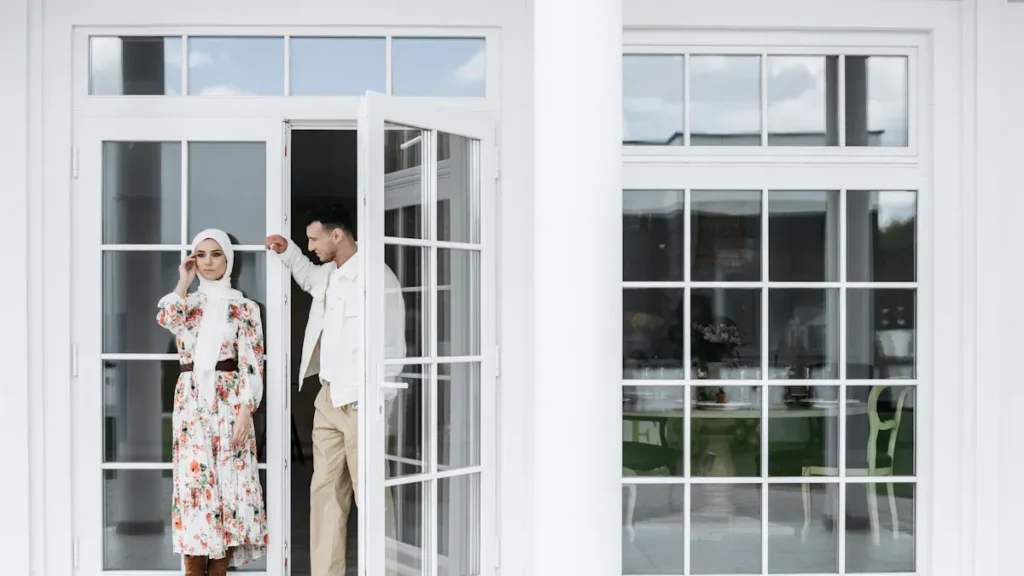
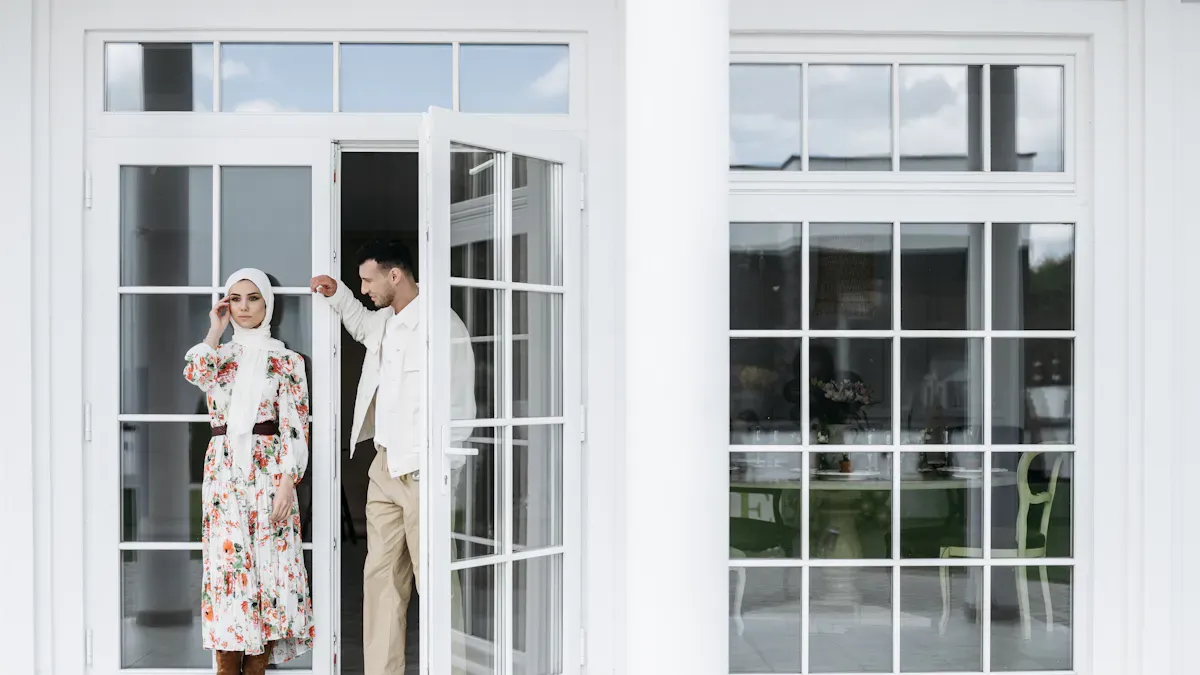
Standard French door sizes for interiors usually range from 30 to 36 inches wide and 80 to 96 inches tall for each door. Double French doors often measure 60 to 72 inches wide as a pair. For installation, the rough opening should be 2 inches wider and 2.5 inches taller than the actual door. This ensures proper fit and smooth operation. French Door Dimensions can vary, but most homes use these common measurements.
Principaux enseignements
Standard interior French doors typically range from 30 to 36 inches wide and 80 to 96 inches tall. Choose the size that fits your space best.
For proper installation, the rough opening should be 2 inches wider and 2.5 inches taller than the door. Accurate measurements prevent fitting issues.
Double French doors create a wide opening and are ideal for larger spaces. They usually measure between 60 to 72 inches wide.
Use the right tools, like a tape measure and level, to ensure accurate measurements. This helps avoid costly mistakes during installation.
Considérer custom French door sizes if standard options do not fit your space. Custom doors can enhance your home’s design and functionality.
Standard French Door Size
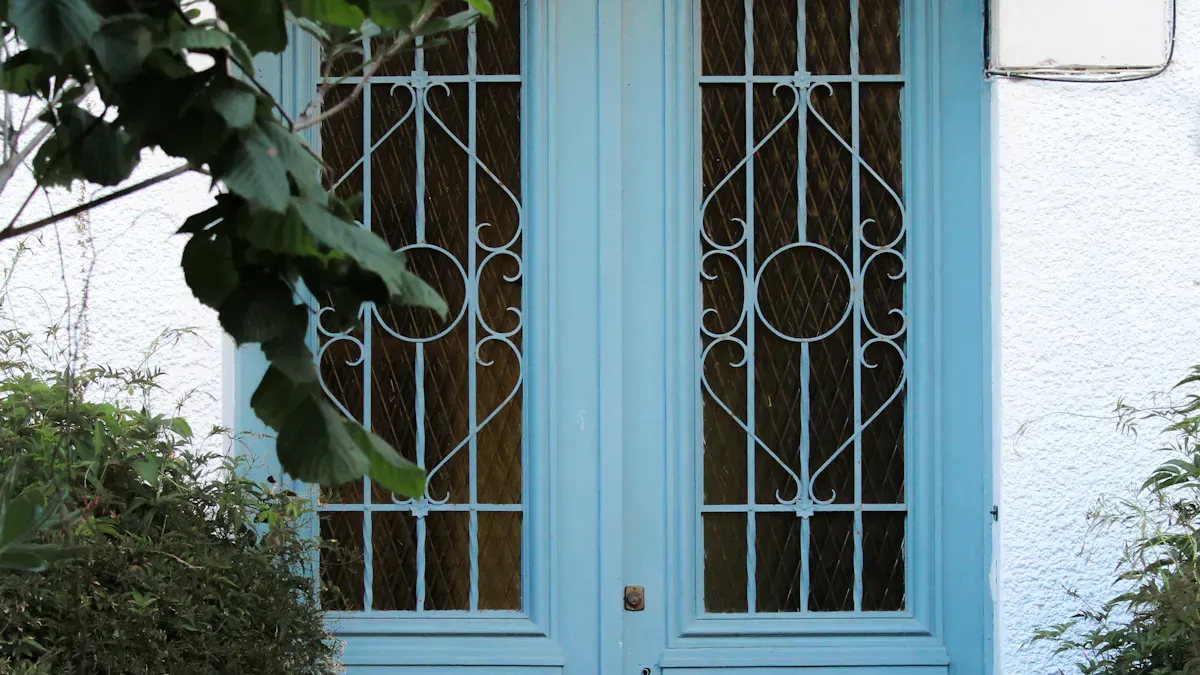
Interior French Door Sizes
Interior French doors are popular for connecting rooms and adding elegance to living spaces. Most homes use standard french door sizes for interiors, which help simplify installation and replacement. The most frequently used widths are 24, 30, and 36 inches, paired with a standard height of 80 inches. Compact options like 30×80 work well in smaller rooms, while larger sizes such as 48×80 and 60×80 suit entertaining areas or wide openings.
Tip: The 32×80 interior French door is the most popular choice because it fits most residential spaces and is widely available.
Here is a table showing common interior french door sizes:
Width (inches) | Height (inches) |
|---|---|
24 | 80 |
30 | 80 |
32 | 80 |
36 | 80 |
48 | 80 |
60 | 80 |
Exterior French Door Sizes
Exterior french door sizes are designed for entryways, patios, and balconies. Manufacturers recommend several standard sizes to ensure security and weather resistance. Most exterior doors have a height of 80 inches, with widths ranging from 36 to 96 inches. Wider doors allow more light and easier access to outdoor spaces.
Height | Width Options |
|---|---|
80″ | 36″, 48″, 60″ |
80″ | 48″ |
80″ | 60″ |
80″ | 72″ |
80″ | 96″ |
Double French Door Sizes
Double French doors create a dramatic effect and provide a wide opening. These doors are often used for patios, living rooms, or dining areas. The standard french door size for double configurations ranges from 60 to 72 inches in width, with heights between 80 and 96 inches. Double doors offer flexibility for both interior and exterior applications.
Type de porte | Width (inches) | Height (inches) |
|---|---|---|
Single French Door | 30 – 36 | 80 – 96 |
Double French Door | 60 – 72 | 80 – 96 |
Note: Double French doors are ideal for spaces where you want to maximize light and accessibility.
French Door Size Table
Choosing the ideal french door size depends on the room, purpose, and architectural style. Standard sizes help ensure a cohesive look and make installation easier. The following table summarizes standard french door sizes for both single and double configurations:
Configuration | Nominal Heights (inches) | Nominal Widths (inches) | Thickness (inches) |
|---|---|---|---|
Single Interior Doors | 80, 84, 92 ½, 96 | 18, 24, 28, 30, 32, 36 | 1 ¾, 1 9/16 |
Double Interior Doors | 80, 84, 92 ½, 96 | 36, 48, 56, 60, 64, 72 | 1 ¾, 1 9/16 |
Standard french door sizes vary across regions and manufacturers, but most homes use heights from 80 to 96 inches and widths from 30 to 72 inches.
Single-leaf doors are best for smaller rooms, while double doors suit larger spaces.
Standard sizes simplify design and purchasing, especially for pre-hung options.
Selecting the ideal french door size ensures a seamless fit and enhances the look of your home. Standard french door size options make it easier to match your project needs, whether you are replacing an old door or planning new construction. French door sizes also affect the rough opening and installation process, so accurate measurements are important.
French Door Dimensions & Rough Opening
What Is a Rough Opening?
A rough opening is the framed space in a wall where a door will be installed. This area is larger than the actual door to allow for the door frame, shims, and adjustments. The rough opening is essential for proper installation. If the rough opening is too small, the door may not fit or could stick. If the rough opening is too large, the door frame may become loose or unstable. The rough opening gives room for the installer to level and square the door, which helps prevent problems like sticking, drafts, or uneven wear. The rough opening also allows for insulation and weatherproofing, which are important for energy efficiency and comfort. Even a small mistake in the rough opening can affect how well the door works. For French door dimensions, the rough opening must match the door size and type to ensure a secure and smooth fit.
Note: The rough opening is not the same as the finished opening. The finished opening is the final space after the door and trim are installed.
Standard Rough Opening Sizes
Standard rough opening sizes are based on the most common French door dimensions. The rough opening should be about 2 inches wider and 2.5 inches taller than the door itself. This extra space makes it easier to install the frame and adjust the door. For example, if you have a 60-inch wide French door, the rough opening should be 62 inches wide. If the door is 80 inches tall, the rough opening should be 82.5 inches tall. This rule applies to both single and double French doors.
The calculation for rough opening size is simple:
Add 2 inches to the width of the door.
Add 2.5 inches to the height of the door.
This method works for most standard French door dimensions. The rough opening must be accurate to avoid problems during installation. If the rough opening is off by even 1/8 inch, it can affect the door’s insulation and operation. The rough opening also needs to account for the type of casing or trim you plan to use. Some casings require more space, so always check the manufacturer’s recommendations.
Tip: Always measure the rough opening at several points—top, middle, and bottom—to make sure it is square and even.
Rough Opening Size Chart
The following table shows rough opening sizes for common French door dimensions. Use this chart to plan your project and ensure a proper fit.
Chart One
French Door Size (W x H) | Rough Opening Size (W x H) |
|---|---|
30″ x 80″ | 32″ x 82.5″ |
32″ x 80″ | 34″ x 82.5″ |
36″ x 80″ | 38″ x 82.5″ |
48″ x 80″ | 50″ x 82.5″ |
60″ x 80″ | 62″ x 82.5″ |
72″ x 80″ | 74″ x 82.5″ |
For more detailed French door dimensions and rough opening options, see the chart below. This table includes unit dimensions with and without casing, which can help you plan for different installation styles.
Chart Two
Size | Rough Opening | Unit Dimension No Casing | Unit Dimension w/ Brickmould | Unit Dimension with 1-1/6″ x 3-1/2″ Flat Casing |
|---|---|---|---|---|
3-0 x 6-8 w/ (1) 10” Sdlt | 50 x 82.5 | 49 x 81.75 | 51.5 x 83 | 54.5 x 84.5 |
3-0 x 6-8 w/ (1) 12” Sdlt | 52 x 82.5 | 51 x 81.75 | 53.5 x 83 | 56.5 x 84.5 |
3-0 x 6-8 w/ (1) 14” Sdlt | 54 x 82.5 | 53 x 81.75 | 55.5 x 83 | 58.5 x 84.5 |
3-0 x 6-8 w/ (2) 10” Sdlts | 61.5 x 82.5 | 60.625 x 81.75 | 63.125 x 83 | 66.125 x 84.5 |
3-0 x 6-8 w/ (2) 12” Sdlts | 65.5 x 82.5 | 64.625 x 81.75 | 67.125 x 83 | 70.125 x 84.5 |
3-0 x 6-8 w/ (2) 14” Sdlts | 69.5 x 82.5 | 68.625 x 81.75 | 71.125 x 83 | 74.125 x 84.5 |
When planning your project, always check the french door dimensions and rough opening requirements before ordering materials. The best material for french doors can affect the rough opening as well. Wood, fiberglass, and steel all have different frame thicknesses and installation needs. The best material for french doors will also impact insulation and durability, so consider your climate and usage. The best material for french doors should match your style and performance needs, but always confirm the rough opening before starting installation.
Remember: Accurate rough openings are the foundation for a successful French door installation. Double-check all measurements and consult with a professional if you have any doubts.
How to Measure French Doors
Tools for Measuring
Accurate measurements are essential when preparing to install interior french doors. The right tools help you achieve the correct size and avoid costly mistakes. Here is a list of essential tools for measuring for french doors:
Tape measure – captures width, height, and depth precisely.
Level – checks if the opening is plumb and level.
Pencil and notepad – records every measurement for reference.
Framing square – ensures corners are square for proper alignment.
Laser measuring tool – provides ultra-precise readings, especially for double interior french doors or large openings.
Tip: Using a laser measuring tool can make the process easier when working alone or measuring wide openings.
Step-by-Step Guide to Measure French Doors
Knowing how to measure french doors is important for both single interior french doors and double interior french doors. Follow these step-by-step instructions to measure french doors and the rough opening:
Measure the width at the top, middle, and bottom of the opening. Use the smallest width for the most accurate fit.
Measure the height from the subfloor to the underside of the header. Check both sides to ensure consistency.
Calculate the rough opening. Add 2 inches to the width and 2.5 inches to the height of the door. For example, a 60-inch wide and 80-inch tall door needs a rough opening of 62 inches by 82.5 inches.
Door Size (W x H) | Rough Opening (W x H) |
|---|---|
32″ x 80″ | 34″ x 82.5″ |
36″ x 80″ | 38″ x 82.5″ |
60″ x 80″ | 62″ x 82.5″ |
Note: These step-by-step instructions apply to both interior french door sizes and exterior doors.
Measurement Tips
Measuring for french doors requires attention to detail. The quality of your rough opening affects every step of installation. Here are some tips to ensure you get the correct size:
Check measurements multiple times before making any cuts.
Use cedar shims in pairs to maintain proper spacing.
Apply flashing tape around the entire opening for weatherproofing.
Install a sill pan under the threshold for added protection.
Make sure the wall depth matches the jamb size.
A level, plumb, and square opening makes installing interior french doors much easier. Mistakes in measuring can lead to problems with fit, insulation, and operation.
Learning how to measure for french doors helps you avoid errors and ensures your doors fit perfectly. Always follow step-by-step instructions and use the right tools for accurate measurements.
French Door Installation Guide
Preparing the Opening
Before installing a door, you must prepare the opening carefully. This guide recommends the following steps:
Check for plumb, level, and square. Use a level to make sure the sides are vertical and the top is horizontal. Measure diagonals to confirm the opening is square.
Verify dimensions. The rough opening should be 1/2 to 3/4 inch wider and taller than the door unit. This allows for adjustments during installation.
Inspect the sill. Make sure the sill is solid, level, and free of rot or damage.
Remove the existing door and frame. Score the caulk or paint line, remove the casing, and check for any structural issues.
Tip: A standard rough opening ensures a smooth installation process and helps avoid costly mistakes.
Installation Steps
Follow this guide for installing a standard French door:
Prepare the rough opening. Confirm it is level, plumb, and square. Remove any old materials and check for damage.
Set the frame. Position the pre-hung door unit in the opening. Use shims to secure the frame and keep it plumb and level.
Hang the doors. Align the doors and adjust shims as needed. Make sure the doors seal properly and swing freely.
Install hardware. Attach handles, locks, and other security features according to the manufacturer’s instructions.
Note: Always verify the clear opening meets local building codes, including ADA requirements for a minimum width of 32 inches.
Common Mistakes
The table below highlights frequent errors during installation and their solutions:
Common Mistakes | Solutions |
|---|---|
Failure to measure dimensions beforehand | Have a professional take precise measurements before installation. |
Ignoring the wall structure | Confirm the wall’s load-bearing capacity and select an appropriate fixing method. |
Improper hardware selection | Choose hardware based on the door’s weight and material. |
Improper sealing | Use high-quality sealing strips and fit thresholds properly. |
Improper glass installation | Select tempered or laminated glass and use correct installation techniques. |
Neglecting floor leveling | Ensure the floor is level before and after installation. |
Lack of post-maintenance | Inspect and maintain the doors every 3-6 months. |
Safety Tips
Wear safety glasses and gloves during installation.
Use proper lifting techniques when handling heavy doors.
Keep the work area clear to prevent accidents.
Follow manufacturer instructions for all hardware and glass components.
Check local codes for fire ratings and egress requirements.
Regular maintenance and careful installation help extend the life of your French doors.
Custom French Door Sizes & Options
When to Choose Custom Sizes
Custom french door sizes are the best solution when standard options do not fit your space or design needs. Some situations require a custom approach:
Unique architectural features that do not accommodate standard sizes.
Historic homes with non-standard openings.
Contemporary designs that need floor-to-ceiling glass.
Specific aesthetic visions that demand unique sizing.
Custom doors also allow for creative layouts and can help preserve the character of older buildings. Keep in mind that custom french door sizes generally cost 30-50% more than standard doors due to unique specifications and longer lead times.
Material Choices
Selecting the right material is important for both appearance and performance. Solid wood doors, such as mahogany or oak, offer classic beauty and can be painted or stained. Engineered wood provides stability and moisture resistance, making it a practical choice for many homes. Fiberglass doors are durable and energy-efficient, resisting warping and cracking. Vinyl is cost-effective and low-maintenance, while glass options like clear, frosted, tinted, or textured panels can change the look and function of your doors.
Material Type | Advantages | Disadvantages |
|---|---|---|
Vinyl | Low maintenance, cost-effective, weather-resistant | Limited aesthetic options |
Fiberglass | Durable, energy-efficient, resists warping/cracking | Higher cost than wood or composites |
Solid Wood | Authentic beauty, repairable, customizable | Needs regular maintenance, moisture sensitive |
Engineered Wood | Stable, moisture-resistant, good insulation | Less repairable, cannot show wood grain |
Clear Glass | Maximizes light, unobstructed views | Less privacy |
Frosted Glass | Privacy with light, modern look | Reduced visibility |
Tinted Glass | Reduces glare, protects interiors | Can darken the room |
Textured Glass | Artistic, offers privacy | May be more expensive |
Design Considerations
When planning a custom French door project, several factors should guide your decisions. Material choices affect durability and style. Design options range from modern to classic, allowing you to match your home’s architecture. Accurate sizing and customization ensure a perfect fit. Features like glass type, sidelights, screens, and decorative panels can enhance both function and appearance. Proper installation and regular maintenance are essential for long-lasting performance.
Consideration Type | Details |
|---|---|
Material Choices | Wood, fiberglass, aluminum, each with unique benefits |
Design Options | Modern, contemporary, classic styles available |
Sizing and Customization | Accurate measurements and custom options for best fit |
Features | Glass types, sidelights, screens, decorative panels |
Installation & Maintenance | Correct installation and upkeep extend door life |
Tip: Modern French doors often use dual-pane glass and low-emissivity coatings for better energy efficiency. These features help reduce energy loss and improve comfort in your home.
Choosing the right French door sizes and understanding rough opening requirements ensures a smooth installation. Accurate measurements at multiple points help avoid common issues, especially in older homes. Use the tables and guides in this article to select the best dimensions for your project.
Always check for square openings and proper clearance.
Consult a professional for custom French door installations or complex measurements.
For more details, explore resources like the French Door Size Chart & Buying Guide.
FAQ
What are the most common French door sizes?
Most homes use French doors with widths of 30, 32, or 36 inches and heights of 80 or 96 inches. Double French doors often measure 60 or 72 inches wide. These standard sizes simplify installation and replacement.
How do I measure for a French door rough opening?
Use a tape measure to check the width and height of your opening. Add 2 inches to the width and 2.5 inches to the height. This ensures the rough opening fits the door frame and allows for adjustments.
Can I install French doors myself?
Many homeowners install French doors with basic tools and careful measurements. Follow step-by-step instructions for preparing the rough opening, leveling the frame, and securing the doors. Consult a professional for custom sizes or complex installations.
What materials are best for French doors?
Solid wood, fiberglass, and vinyl are popular choices. Wood offers classic style, fiberglass resists warping, and vinyl is low-maintenance. Choose a material that matches your climate, budget, and design preferences.
Are custom French door sizes available?
Custom French door sizes suit unique spaces or architectural needs. Manufacturers can create doors with specific dimensions, glass types, or finishes. Custom options cost more but provide a perfect fit and personalized design.