
Choosing the right shower head height may seem simple, but it has a big impact on comfort, usability, and the overall shower experience. Install it too low, and you’ll feel cramped. Too high, and the spray won’t reach you properly. This guide breaks down the standard shower head heights, explains the best options for different users and shower types, and gives you practical tips to get the height right—without guesswork.
Let’s make your shower feel just right.
Principaux enseignements
- The standard shower head height is between 80 and 84 inches, suitable for most adults.
- Adjustable shower heads are great for families, allowing easy height changes for different users.
- Rain shower heads should be installed at 85 to 90 inches for optimal water coverage.
- Always measure from the finished floor to the center of the shower arm for accurate height placement.
- Consider local building codes to ensure safety and accessibility in your bathroom.
Why Shower Head Height Matters?
Choosing the right shower head height can transform your daily routine. A well-placed shower head gives you full water coverage and makes every shower comfortable. The right height helps the water reach from your head to your mid-back, which is important for cleaning and relaxation.
A shower that fits your height means you do not have to stretch, crouch, or move awkwardly. This small detail can make a big difference in how you start or end your day.
Ergonomic studies show that the standard shower head height is usually set at 80 inches. This works for many people, but not for everyone. Taller users often need a height between 84 and 86 inches to avoid bumping their heads or having to stoop. Shorter adults and children may find 76 to 78 inches more comfortable. Rainfall shower heads work best when installed above the user’s standing height, usually between 84 and 96 inches, so the water falls gently and covers the body.
Common problems can happen when the shower head is set at the wrong shower head height:
If the shower head is too low, tall people must crouch or lean to wash their hair.
A shower head that is too high can cause water pressure to drop and the spray to miss the user, making the shower less effective.
The wrong angle can make water bounce off your back or hit the floor before it reaches you.
Rain shower heads set too low can feel harsh and limit movement. If they are too high, the water spreads out too much and loses force.
A good shower head height gives you comfort, saves water, and makes your bathroom feel just right. Taking time to measure and adjust the height can improve your daily life.
Core Shower Head Height Standards (With Real-Life Scene Adaptation)
The standard height of a shower head is a key factor in bathroom design. Most experts recommend placing the shower head between 80 and 84 inches from the finished floor. This range suits the majority of adults and provides comfortable water coverage. However, the ideal height can vary based on user needs and bathroom layout.
Understanding the Range
People have different preferences and requirements. The standard height of a shower head may not work for everyone. For example, children and elderly individuals often need a lower placement, while taller adults prefer a higher position. The recommended range for shower head height stretches from 68 inches up to 86 inches. This flexibility allows homeowners to adapt their showers for comfort and accessibility.
Here is a table showing recommended shower head heights for various user groups:
User Demographic | |
|---|---|
Adults | 80 |
Rain Showerheads | 85 – 90 |
Handheld Showerheads | 72 – 78 |
ADA Compliance | 38 – 48 |
Building Codes and Regulations
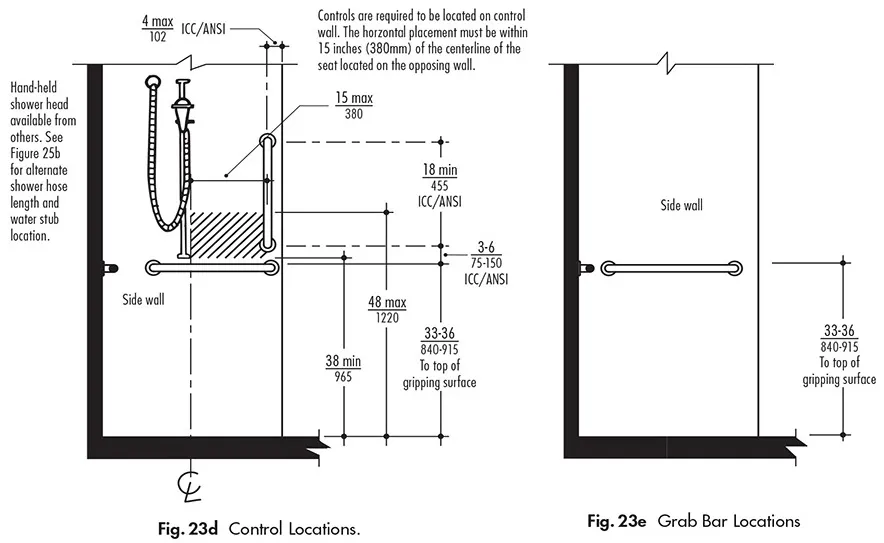
Building codes help ensure safety and accessibility in bathrooms. In the United States, codes set maximum and minimum heights for shower controls and fixed shower heads, especially in accessible or roll-in showers. These rules are important for public buildings and homes with elderly or disabled residents.
Requirement | Height Specification |
|---|---|
Controls, faucets, and shower spray unit in roll-in showers | Maximum 48 inches (1220 mm) above the shower floor |
Shower spray unit hose length | Minimum 59 inches (1500 mm) |
Fixed shower head height | Maximum 48 inches (1220 mm) in non-medical facilities |
Most residential showers do not require strict adherence to these maximums unless accessibility is a concern. For standard installations, the standard height of a shower head remains between 80 and 84 inches, but adjustments may be needed for ADA compliance.
Real-Life Scene Adaptation
Bathroom layout plays a major role in choosing the right shower head height. Homeowners should consider several factors before installation:
Measure your ceiling height
Think about who’s using the shower most
Choose a showerhead style that matches your vision
Confirm mounting needs before any tile goes up
Different individuals have varying heights, which means the shower head should be placed where it best serves the main users. Taller people often prefer the shower head higher, while shorter users may need it lower. The style of shower head also matters. Rain shower heads work best when installed above the user’s head, usually between 85 and 90 inches, to allow water to fall gently. Handheld shower heads offer flexibility and can be mounted lower for easy reach.
Bathroom renovations should always start with a clear plan for shower head placement. Measuring ceiling height and considering user needs will help you achieve the most comfortable and functional setup.
Tip: Always check local building codes before installing or adjusting your shower head. This ensures your bathroom meets safety and accessibility standards.
Standard Shower Head Hight
Choosing the best shower head height is essential for comfort, safety, and water coverage. The standard recommendation for most homes is between 80 and 84 inches from the finished floor. However, the ideal height of a shower head depends on several factors, including user height, bathroom layout, and code requirements. Understanding these factors helps homeowners achieve the perfect placement for their shower head.
Standard Wall-Mounted Shower Head Height (80–84 Inches)
Wall-mounted shower heads remain the most common choice in residential bathrooms. The standard height for a shower is 80 inches, which suits the average adult and provides broad water coverage. Plumbers often install shower heads at this height to minimize splashing and maintain water pressure. For taller individuals, a height of 82 to 84 inches offers better comfort and full-body coverage.
Advantages of Wall-Mounted Shower Head | Disadvantages of Wall-Mounted Shower Head |
|---|---|
Enhances bathroom aesthetics | Professional installation may be needed |
Simplifies cleaning and maintenance | Not all walls support this design |
Allows flexible installation height | Maintenance behind the wall is harder |
Frees up counter space | Can be more expensive |
Reduces risk of leaks | Limited design options |
A wall-mounted shower head at the perfect height ensures that users do not need to stretch or crouch. This setup is ideal for most adults and works well in bathrooms with typical dimensions, such as 32″ x 60″ or 48″ x 36″. Homeowners should consider the height of the tallest user when deciding where should a shower head be placed.
Ceiling-Mounted / Rain Shower Head Height (84–96 Inches)
Ceiling-mounted and rain shower heads create a luxurious shower experience. The best shower head height for these types is between 84 and 96 inches. Installing a rain shower head at 80 to 85 inches from the floor provides full-body coverage and simulates natural rainfall. For homes with taller ceilings, extension arms may be needed to achieve the standard shower head height.
Ceiling Height | Recommended Installation Height | Notes |
|---|---|---|
8 feet | Flush to the ceiling | Ideal for standard installations |
Taller ceilings | 80 to 85 inches from the floor | May require extension arms |
Low ceilings | 80-84 inches clearance | Use shorter shower arms |
Rain shower heads work best when placed above the tallest person in the household. This ensures comfort and maximizes water coverage. The perfect height for a rain shower head also depends on the size of the shower area. Larger showers, such as 48″ x 48″ or more, benefit from higher placement, which creates an immersive experience.
Child-Friendly Shower Head Height (60–68 Inches, Adjustable)
Families with children need flexible shower head placement. Adjustable shower heads and slide bar designs allow for easy changes in height. The standard height for a shower in child-friendly bathrooms ranges from 60 to 68 inches. This lower height lets children shower independently and safely.
Adjustable shower heads provide customizable height and direction.
Slide bar shower heads accommodate family members of different heights.
Handheld shower heads offer flexibility for rinsing children or pets.
The best shower head height for children is one they can reach without assistance. Adjustable options make it easy to change the height as children grow. This approach also benefits households with users of varying heights.
Accessible & Elderly-Friendly Shower Head Height (72–78 Inches)
Accessibility is crucial for elderly users and those with limited mobility. The standard shower head height for accessible bathrooms is between 72 and 78 inches. ADA guidelines recommend placing shower controls and fixed shower heads no higher than 48 inches above the shower floor. Handheld shower spray units can substitute for fixed shower heads in some facilities.
Fonctionnalité | Measurement |
|---|---|
Fixed shower head height | Maximum 48 inches above floor |
Hand-held shower spray unit | Can substitute for fixed head |
Controls and faucet height | No higher than 48 inches |
Adjustable shower head height ensures elderly users can reach the shower head easily.
Proper height adjustment prevents accidents and reduces the risk of strain.
Hand showers with adjustable heights allow users to shower comfortably while seated or standing.
Following ADA standards ensures safety and accessibility.
The best shower head height for elderly users supports independence and comfort. Homeowners should always consider accessibility needs when planning shower head placement.
Factors Influencing the Ideal Height of a Shower Head
Several factors determine the ideal height of a shower head:
User Height: Taller users need higher shower head placement for full coverage. Shorter users and children benefit from lower heights.
Bathroom Layout: The size and shape of the shower area affect water pressure and coverage. Compact showers may require lower placement to minimize splashing.
Shower Head Type: Wall-mounted, rain, and handheld shower heads each have different optimal heights.
Building Codes and Accessibility: ADA guidelines and local codes set minimum and maximum heights for safety and accessibility.
Ceiling Height: Modern homes with taller ceilings may need extension arms for rain shower heads to achieve the perfect height.
Typical Dimensions | Recommended Shower Head Height | Suitable Shower Head Type | Key Impact |
|---|---|---|---|
32″ x 60″ | 78″–80″ | Wall-mounted | Maintains water pressure; minimizes splashing |
36″ x 36″ | 72″–78″ | Handheld | Compact design; reduces overspray |
48″ x 36″ | 80″–84″ | Adjustable or rain | Balanced pressure; enhanced coverage |
48″ x 48″ or larger | 84″–90″ | Rain or ceiling-mounted | Wider area; immersive experience |
User Height Range | Recommended Shower Head Height | Notes |
|---|---|---|
Average Adult Height (5’4″ – 6’0″) | 80 inches | Standard height for most users |
Taller Individuals (6’0″ and above) | 85-90 inches | For full-body coverage with rain shower heads |
Families with Children or Elderly | 72-78 inches | Adjustable heights for comfort and accessibility |
Selecting the best shower head height involves balancing these factors to achieve the perfect placement. Homeowners should measure carefully and consider the needs of all users. The standard height for a shower works for most, but adjustments may be necessary for families, children, or elderly users. The ideal height of a shower head ensures comfort, safety, and a satisfying shower experience.
Standard Shower Head Height Comparison Table (At a Glance)
Choosing the right shower head hight can make a big difference in your daily routine. Each shower head type has its own ideal range. The table below shows the standard shower head height by type, making it easy to compare options for your bathroom.
Shower Head Type | Recommended Height (inches) |
|---|---|
Wall-mounted | 80 |
Rain shower heads | 85 – 90 |
Handheld | 72 – 78 |
This table gives a quick look at the best shower head hight for each style. Wall-mounted models work well at 80 inches. Rain shower heads need a higher placement, usually between 85 and 90 inches, to let water fall gently. Handheld shower heads fit best at 72 to 78 inches, which makes them easy to reach for all users.
Conseil : Always measure from the finished floor to the center of the shower arm. This helps you set the correct shower head hight for your space.
When planning your bathroom, think about who will use the shower most often. For families, an adjustable shower head hight can help everyone feel comfortable. If you have a rain shower, check your ceiling height before installing. A higher shower head hight works best in larger showers and for taller users.
Here are a few quick points to remember:
Wall-mounted shower head hight: 80 inches is standard.
Rain shower head hight: 85 to 90 inches for full coverage.
Handheld shower head hight: 72 to 78 inches for easy access.
Matching the shower head hight to your needs creates a better shower experience. Use this guide to find the right fit for your home.
How to Install a Shower Head?
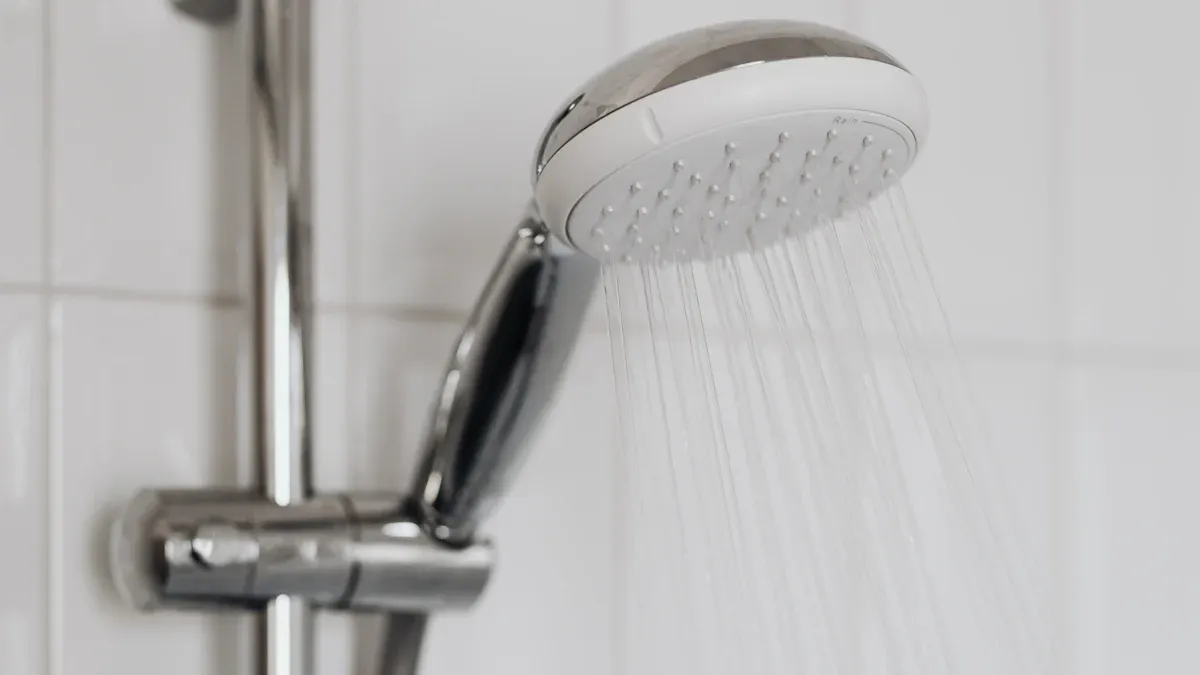
Installing a shower head at the correct height improves comfort and water coverage. Follow these steps for a smooth process and a better shower experience.
Step 1: Measure From the Finished Floor
Start by measuring from the finished floor to the spot where you want the shower head. Use a tape measure for accuracy. Standard wall-mounted shower heads work best at 80 to 84 inches. For taller users, measure up to 86 inches. For children or shorter adults, aim for 76 to 78 inches. Always check your ceiling height before choosing a rain shower head. This step helps you plan the right placement and avoid mistakes.
Tools and materials you may need:
New shower head
New shower arm
Escutcheon
Teflon thread-sealing tape
Flashlight
Crescent wrench or channel lock pliers
Rag or towel
Step 2: Mark the Right Height Based on the Users
Mark the chosen height on the wall using a pencil. Consider who will use the shower most often. Families with children or elderly members may need a lower height. For rain shower heads, mark between 84 and 96 inches, depending on ceiling clearance. Confirm the angle of the spray to ensure it covers the user comfortably. This step helps you increase your shower head height if needed.
Step 3: Align Plumbing Before Final Fixing
Before installing, align the plumbing with your marked height. Turn off the water supply. Remove the old shower head using a wrench and rag. Clean the shower arm threads. Wrap Teflon tape around the threads to prevent leaks. Attach the new shower head and tighten it with a wrench. Check for leaks and adjust the angle for the best coverage. These installation tips for shower head placement help you achieve a professional result.
How to Adjust Shower Head Height Without Renovation (Renter-Friendly)
Renters or those who want flexibility can adjust shower head height without major changes. Use an adjustable shower arm, a shower slide bar, or a swivel ball adapter. These tools allow you to move the shower head up or down as needed.
Feature Type | Description |
|---|---|
Adjustable Height Shower Heads | Can be modified to suit different user heights, accommodating both tall and short users. |
Handheld Shower Heads | Easily maneuvered and adjusted, providing flexibility for users of all heights. |
ADA-Compliant Shower Systems | Include both fixed and handheld options, ensuring accessibility for all users. |
Handheld shower heads and adjustable features work well for households with users of varying heights. These solutions provide comfort and accessibility without the need for renovation.
Tip: Always measure carefully and choose the right tools for your shower head installation. This ensures safety and long-lasting results.
Pro Tips That Make a Big Difference
Clever Shower Head Height Hacks
Optimizing your shower head height can improve comfort and water coverage. Many homeowners overlook simple adjustments that can make a big difference. Here are some clever hacks to help you get the most out of your shower setup:
Install rain shower heads flush with the ceiling for a modern look and optimal water flow. This method works well in bathrooms with standard 8-foot ceilings.
Use a ceiling arm or an extension arm if your bathroom has taller ceilings. This helps maintain the ideal shower head height and ensures the water stream reaches you effectively.
Choose an adjustable shower arm to modify the height easily. This feature allows you to adapt the shower head position for different users or preferences.
Add a shower slide bar for handheld shower heads. Slide bars offer flexible height adjustments, making them perfect for families with children or elderly members.
Attach a swivel ball adapter to your shower head. This small device lets you tilt and adjust the angle, improving water coverage without changing the main installation.
Tip: Always measure from the finished floor to the center of the shower arm. Accurate measurements help you achieve the recommended shower head height for your bathroom dimensions.
Common Mistakes to Avoid
Many people make errors when installing or adjusting their shower head. These mistakes can affect comfort, water pressure, and even bathroom safety. Avoid these common pitfalls:
Setting the shower head too high or too low. Incorrect height can lead to poor water coverage or force users to crouch.
Ignoring ceiling height and shower stall dimensions. Failing to consider these factors may result in water spraying outside the shower area.
Overlooking the needs of all users. A fixed height might not suit everyone, especially in households with children or elderly members.
Skipping local building codes and standards. Not following guidelines can cause problems during inspections or reduce accessibility.
Forgetting to check for leaks after installation. Even a small leak can waste water and damage bathroom fixtures.
Note: Taking time to plan your shower head installation ensures you meet both comfort and safety standards. A well-placed shower head improves your daily routine and adds value to your home.
Final Words
Selecting the right shower head height can make a big difference in your daily comfort and the overall function of your bathroom. The standard shower head height of 80 to 84 inches works well for most people, but every home is unique. Homeowners should always think about the needs of everyone who will use the shower.
A well-placed shower head offers better water coverage, saves water, and creates a more enjoyable experience.
🚿 Ready to upgrade your shower? Use these tips to find the perfect shower head height for your space and enjoy a better shower every day!
Selecting the right shower head height improves comfort and water coverage for every user. Homeowners should consider user height, shower head type, and bathroom layout to achieve the best results. Research highlights several key points:
The shower head height should suit the tallest user for proper coverage.
Adjustable features help meet different preferences and needs.
Center placement in the shower area enhances water coverage.
Upgrading your shower with features like rainfall heads, handheld options, or slide bars can increase home value and relaxation. Simple tools such as adjustable shower arms or swivel ball adapters make it easy to measure and adjust the shower head height. Take time to find the ideal setup for a perfect shower experience.
FAQ
What Is the Best Height for a Shower Head?
The best height for a shower head typically ranges from 80 to 84 inches (203–213 cm) from the finished floor. This height comfortably fits most adults, prevents water splash-out, and maintains a natural spray angle.
However, the “best” height ultimately depends on the users—taller individuals may prefer 86–90 inches, while adjustable options work best for households with varying heights.
What Is the ADA-Approved Shower Head Height?
According to ADA (Americans with Disabilities Act) guidelines, an accessible shower head should be positioned at 48 inches (122 cm) maximum if fixed.
However, ADA generally recommends a handheld shower head with a 59-inch (150 cm) hose, allowing users to reach it comfortably whether sitting or standing.
This setup provides maximum flexibility and ensures safe, barrier-free use.
How do I measure the correct shower head height?
Measure from the finished floor to the center of the shower arm.
Check the user’s height and shower dimensions before marking the spot. This ensures proper water coverage and comfort.
What height works best for rain shower heads?
Rain shower heads perform best at 85 to 90 inches above the floor. This height allows water to fall gently, covering the user fully. Always check your ceiling height before installation.
What Should Shower Head Height Be in Millimeters (mm)?
Here are the most common standard heights converted to millimeters:
Wall-mounted shower head: 2030–2130 mm
Rain/ceiling-mounted shower head: 2130–2430 mm
Child-friendly shower head: 1520–1730 mm
Accessible/elderly-friendly height: 1830–1980 mm
These measurements make it easier to plan accurately when working with metric-based construction or renovation projects.