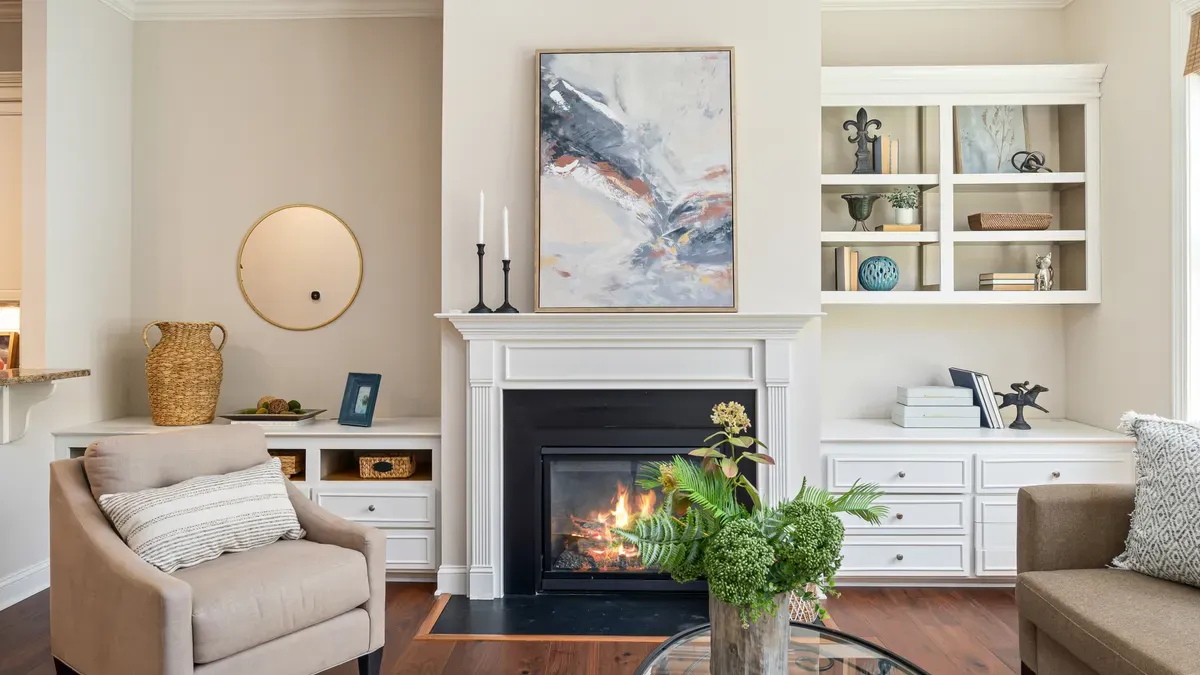
A fireplace hearth forms the floor area in front of a fireplace. Traditionally, it protected the home from sparks and heat. In modern spaces, the hearth often serves a decorative purpose, especially with electric or gas fireplaces. Many homeowners now ask which types of fireplaces require a hearth, what materials are suitable, and if electric fireplaces need a hearth at all. The shift to electric fireplaces highlights safety, convenience, and aesthetic appeal. Clean lines and simplicity have become central in today’s home design.
Principais conclusões
- A fireplace hearth protects your home from sparks and heat, especially with wood-burning fireplaces. It is essential for safety.
- Modern hearths often serve a decorative purpose, enhancing the room’s style and acting as a focal point in home design.
- Choosing the right materials for your hearth is crucial. Options like brick, stone, and tile are safe and stylish for wood-burning fireplaces.
- Electric fireplaces usually do not require a hearth for safety, allowing homeowners to focus on aesthetics and design flexibility.
- Regular maintenance of your hearth is important. Clean it often and check for damage to keep it safe and looking great.
Fireplace Hearth Basics
What Is a Fireplace Hearth?
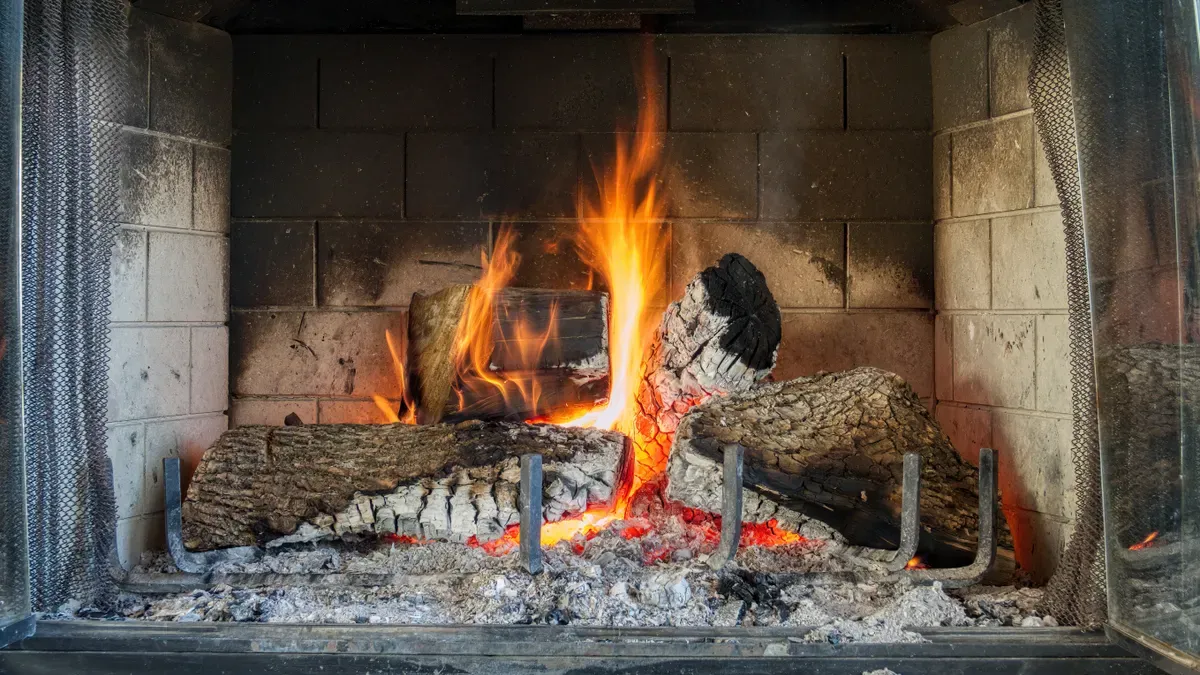
A fireplace hearth is the non-combustible surface that extends in front of and sometimes around a fireplace. It acts as a protective barrier between the fire and the rest of the home. The hearth is usually made from materials like brick, stone, or tile. These materials resist heat and prevent sparks or embers from causing damage. In many homes, the hearth also serves as a base for the firebox, giving the fireplace structural support.
Note: The fireplace hearth is not only about safety. It often becomes a central design feature, drawing attention and adding style to the room.
Common materials for a hearth include:
- Brick, which gives a classic look and pairs well with traditional fireplaces.
- Stone, such as granite or slate, provides high thermal resistance and a dense, non-combustible surface.
- Tile, which offers many design options, from colorful patterns to modern finishes.
Traditional vs. Modern Functions
The role of the hearth has changed over time. In the past, the fireplace hearth was essential for daily life. It provided a safe place for cooking and heating. Families gathered around the hearth for warmth and social time. The hearth was the heart of the home.
Today, the function of the hearth often shifts toward aesthetics and convenience. Many modern fireplaces use electric or gas technology. These fireplaces may not need a hearth for safety, but the hearth still adds visual interest and helps define the space.
| Historical Hearths | Contemporary Hearths |
|---|---|
| Essential for heat and cooking | Focus on aesthetics and convenience |
| Center of family gatherings | Integration with modern technology |
| Survival necessity | Architectural feature with visual appeal |
Modern hearths can act as a space divider or a decorative platform. Even when not required for safety, the hearth remains a symbol of comfort and style in the home.
Purpose and Value Today
Safety and Compliance
The safety function of a hearth depends on the type of fireplace in the home. For wood-burning fireplaces, the hearth is a critical safety feature. It creates a fire-resistant barrier that protects the floor and nearby furniture from sparks, embers, and intense heat. This protection is especially important because wood-burning fireplaces can produce ash, soot, and creosote. These byproducts can build up and cause health risks, such as smoke and carbon monoxide exposure. Young children, older adults, and individuals with respiratory vulnerabilities face higher risks. Regular inspections and cleaning help prevent chimney fires and keep the home safe.
Electric and gas fireplaces change the role of the hearth. These fireplaces do not produce sparks or embers, so the hearth often becomes a decorative element. Building codes reflect this difference. The table below shows how requirements change based on fireplace type:
| Fireplace Type | Hearth Material Requirements | Hearth Extension Requirements | Clearance Requirements |
|---|---|---|---|
| Electric Fireplaces | Generally not required to be non-combustible | No specific requirements, can be decorative | Minimal, follow manufacturer guidelines |
| Wood-Burning Fireplaces | Non-combustible materials (stone, brick, tile) | At least 16 inches in front, 8 inches on sides | At least 36 inches from combustible materials |
| Gas Fireplaces | Non-combustible materials (similar to wood-burning) | At least 6 inches from the front | Follow manufacturer-specific guidelines |
| Ethanol Fireplaces | Non-combustible materials recommended | No specific requirements, advisable to have base | At least 24 inches from combustible materials |
As outlined above, wood-burning systems demand strict adherence to non-combustible clearances to mitigate fire hazards from popping embers. In sharp contrast, because electric fireplaces operate without actual flames or escaping sparks, they are generally exempt from these stringent codes. This key difference allows the installation team to integrate the hearth directly with modern, combustible flooring—such as hardwood or laminate—an application that is strictly prohibited for traditional wood or gas units.
Insurance companies also look at hearth safety. Open hearths are seen as higher risk because flames and sparks can escape. Insurers may ask for glass doors and regular inspections. Enclosed fireplaces and inserts are safer and may lower insurance costs if installed and maintained properly.
Building Code Requirements for Fireplace Hearths
Fireplace hearth requirements vary depending on fireplace type and local building codes. In general, wood-burning fireplaces require a non-combustible hearth that extends at least 16 inches in front and 8 inches on each side. Gas fireplaces may allow reduced extension requirements, while electric fireplaces often have no strict hearth requirement.
Local regulations can differ based on region and housing type, so homeowners should always confirm requirements with local building authorities before installation or renovation. In many cases, inspections are required to ensure compliance with fire safety standards.
Design and Aesthetic Impact
The hearth has become a key design feature in modern homes. It often acts as a focal point, drawing attention and adding character to a room. In open-concept layouts, the fireplace hearth helps define spaces without using walls. Double-sided and see-through fireplaces connect different areas, while still keeping an open feel. Linear fireplaces can be placed at different heights, making them stand out as modern art pieces.
A hearth can also serve as a space divider. It marks the boundary between the living area and other parts of the home. This design choice supports the comfort of coming together, as families and friends gather around the warmth and glow of the fire. In open-concept layouts, a raised or flush hearth serves as a physical boundary, delineating the heating zone from the general living area without requiring structural walls.
Modern hearths do more than just look good. They help with energy efficiency. Wood-burning fireplaces can lose heat through the chimney, but new models use technology to keep more heat inside. Electric fireplaces are very efficient, turning almost all electricity into heat. The hearth supports these systems by helping direct warmth into the room.
Types and Materials
Raised, Flush, and No-Hearth Designs
Hearth design has evolved to match modern lifestyles and interior trends. Raised hearths sit above the floor, creating a ledge that can double as extra seating or a display area. Flush hearths are level with the floor, offering a seamless look that fits minimalist spaces. Some electric fireplaces feature no hearth at all, especially in homes where the hearth serves only as a visual divider or decorative accent. In these cases, the focus shifts to clean lines and open space.
Tip: Always check local building codes before choosing a hearth style. Codes may require a hearth for wood-burning fireplaces, but electric models often allow more flexibility.
Common Materials for Fireplace Hearths
Selecting the right material is essential for both safety and style. The table below highlights popular hearth materials, along with their advantages and disadvantages:
| Material | Advantages | Disadvantages |
|---|---|---|
| Brick | Affordable, easy to repair, classic appearance, heat-resistant, durable | None explicitly mentioned |
| Ceramic | Heat- and corrosion-resistant, customizable, durable | None explicitly mentioned |
| Granite | Sleek, visually appealing, durable, luxurious, enhances room aesthetics | Expensive, requires custom orders |
| Limestone | Inexpensive, durable, easily shaped, natural appearance | None explicitly mentioned |
| Marble | Elegant, luxurious, timeless beauty | Prone to stains and chipping, high maintenance |
| Slate | Varied colors, easy to clean, durable, low maintenance | Complex installation |
A non-flammable material is always recommended, especially for wood-burning fireplaces. Stone and brick remain popular for their durability and classic look. Granite and marble add a touch of luxury, while ceramic and slate offer modern options with easy maintenance.
Choosing the Right Hearth for Your Fireplace
Homeowners should consider several factors when selecting a hearth. The type of fireplace, room size, and overall home style all play a role. Here are some key points to guide the decision:
- Measure the space carefully to avoid fitting issues.
- Match the hearth material and color to the fireplace surround for a unified look.
- Use non-combustible materials for safety, especially with wood-burning units.
- Minimalist designs work well with flush or no-hearth styles, letting the fire become the main attraction.
- Rustic hearths with reclaimed wood or rough stone add warmth and character.
- Plan for proper hearth depth and extension, as required by local codes.
Cultural preferences also influence hearth choices. In North America, many people value a cozy atmosphere and premium materials. European homes often feature traditional brick or stone hearths, while modern Asian interiors may use glass or sleek stone for a contemporary feel.
Common mistakes include using the wrong material, taking incorrect measurements, or lacking the right tools for installation. Careful planning helps avoid incorrect sizing, improper material selection, and costly rework during installation or renovation.
Modern Trends and Customization
Minimalist and Flush Hearth Styles
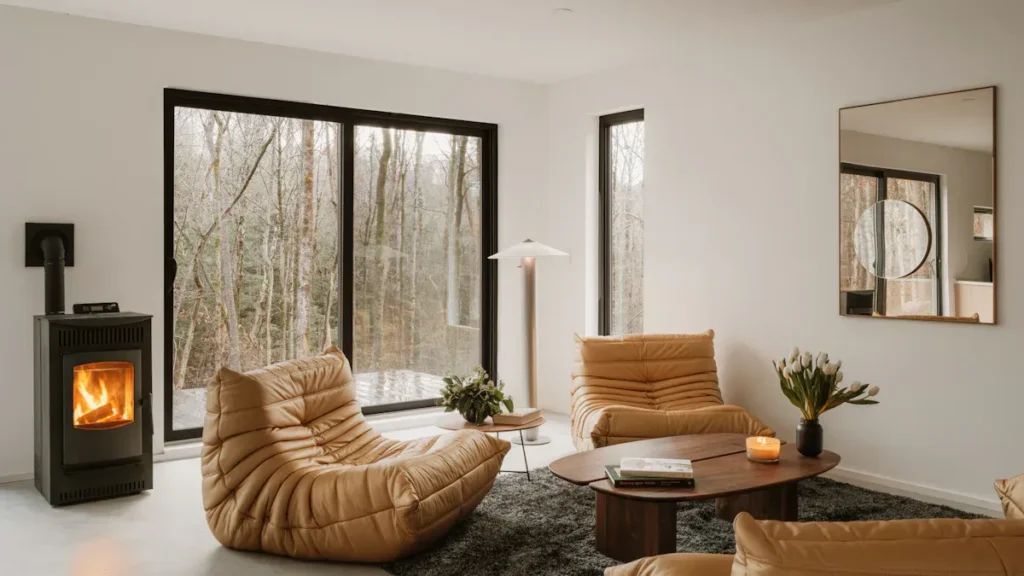
Minimalism has become a leading force in fireplace hearth design trends. Many modern homes now feature flush hearths that sit level with the floor. This style creates a seamless look and helps the fireplace blend into the room. Homeowners often choose materials like concrete, metal, or glass for a sleek appearance. These materials support clean lines and simple shapes, which are key elements of minimalist design.
Traditional fireplace hearths are made from materials like brick, stone, or tile, featuring classic designs with ornate details. Modern fireplace hearths, on the other hand, use sleek, minimalist materials such as concrete, metal, or glass. They emphasize clean lines and simple shapes, often being flush with the floor or slightly raised.
Safety remains important, even with minimalist styles. For wood-burning fireplaces, building codes may require a non-combustible hearth that extends a certain distance from the firebox. Homeowners can achieve visual minimalism by using thin, heat-resistant materials or by matching the hearth color to the floor. This approach keeps the hearth almost invisible while still meeting safety standards.
Decorative and Functional Options
Electric and gas fireplaces have changed the role of the hearth in many homes. These fireplaces do not need a hearth for safety, so the hearth becomes a purely decorative feature or a way to divide space. Homeowners can choose from a wide range of materials, such as brick, stone, metal, or tile. This variety allows for both decorative and functional options in fireplace design.
- Brick provides excellent heat retention and structural durability, commonly specified for traditional wood-burning units.
- Stone, like granite or slate, brings natural elegance.
- Tile offers endless design possibilities, from bold patterns to modern finishes.
- Concrete is durable and can be customized with stains or textures for a unique look.
A decorative hearth can help define the living area and support the comfort of coming together. It can also serve as a display platform for art or family photos. In modern homes, the fireplace hearth often acts as a subtle divider, marking the transition between spaces without using walls.
Installation and Maintenance
Building Codes and Professional Installation
Proper installation of a hearth starts with understanding building codes. These rules help reduce fire hazards and keep your home safe. Codes often set minimum distances between the hearth and any materials that can burn. They also list the right size for the hearth and the correct flue size for the fireplace. Local and national codes can differ. Climate and past fire incidents in your area may change the rules. Always check with local authorities before starting any project.
Professional installation offers many benefits over doing it yourself. The table below compares the two approaches:
| Aspecto | Instalação profissional | Instalação DIY |
|---|---|---|
| Custo | More expensive due to labor costs | Cost-effective if skills and tools are available |
| Skill Requirement | Performed by experienced professionals | Requires necessary skills and tools |
| Timeline | Much faster due to experience and tools | Can take longer and may lead to mistakes |
| Risk | Lower risk of errors, reducing future issues | Higher risk of mistakes and safety hazards |
A professional can ensure the hearth meets all safety standards. This reduces the risk of future problems and helps protect your investment.
Cleaning and Upkeep Tips
Regular maintenance keeps your hearth looking good and working safely. Daily care includes removing ash from the firebox and checking for debris. Keep flammable items away from the hearth. Use only dry, seasoned wood for burning. Each season, sweep the hearth and firebox, check the chimney cap, and clean away soot. Inspect for cracks or damage. Test smoke and carbon monoxide detectors to keep your home safe.
The National Fire Protection Association recommends a yearly sweep for most fireplaces. If you use your hearth often, clean it every three to six months. Gas fireplaces also need yearly cleaning to remove dust. After a new installation, schedule an inspection after the first heating season.
Tip: Avoid placing heavy objects or water-filled vases on the hearth. This prevents cracks and moisture damage. Schedule professional maintenance each year for a deep clean and inspection.
A well-maintained hearth adds beauty and safety to your home for years to come.
Historically, stone fireplaces have anchored living spaces, serving as the heart of the home. From rustic cottages to grand halls, they have been a central feature, deeply intertwined with the daily lives of those who gathered around them.
When planning a hearth, homeowners should balance safety, compliance, and design. Consulting professionals helps ensure proper installation and code adherence.
| Consideration Type | Details |
|---|---|
| Material Choice | Non-combustible materials are essential for safety and function. |
| Safety Compliance | Hearth extensions must meet building codes for fire safety. |
| Design vs. Practicality | Choose materials that balance looks, maintenance, and safety needs. |
Proper hearth specification ensures compliance with local fire codes while integrating structurally with the overall room design.
PERGUNTAS FREQUENTES
Do I need a fireplace hearth in a modern home?It depends on the type of fireplace. Wood-burning fireplaces require a hearth for safety, while electric fireplaces usually do not. Gas fireplaces fall somewhere in between depending on local building codes.
What materials are best for a wood-burning fireplace hearth?Stone, brick, and tile work best. These materials resist heat and do not burn. Always check local codes for approved options.
Can I have a flush or no-hearth design with a gas fireplace?Yes. Many gas fireplaces allow flush or no-hearth designs. Always follow the manufacturer’s guidelines and local building codes for safe installation.
How far must a hearth extend in front of a fireplace?The required extension depends strictly on the fireplace type and firebox size. For standard wood-burning units with an opening under 6 square feet, building codes typically require a minimum extension of 16 inches in front and 8 inches on each side. For larger openings, this requirement increases to 20 inches in front and 12 inches on the sides. Always verify with local building authorities.