

When you compare quartz versus marble for countertops, you find that quartz often stands out for its durability and easy care. Many homeowners choose quartz because it resists stains and scratches, offers many color options, and supports sustainable practices. You might prefer marble if you love natural beauty and unique patterns, but it requires more maintenance. Your choice depends on whether you value practicality or the classic look of marble.
Основные выводы
Quartz countertops offer durability and low maintenance, making them ideal for busy households.
Marble countertops provide unique beauty and elegance, but require regular care to maintain their appearance.
Consider your lifestyle and cooking habits when choosing between quartz and marble for your countertops.
Quartz is non-porous and resists stains, while marble is porous and can stain easily if not sealed regularly.
Both materials can enhance your home’s value, but quartz is often preferred for its practicality and modern appeal.
Quartz and Marble Countertops Overview
What Is Quartz Countertop?
You see quartz countertops in many modern kitchens and bathrooms. Manufacturers create quartz countertops by combining natural quartz crystals with resins and pigments. This process produces a strong, non-porous surface that resists stains and scratches. Quartz countertops offer a consistent look, so you can choose from a wide range of colors and patterns to match your design style. Many people think quartz is a cheap option, but it actually costs about the same as granite or marble. Quartz is not the same as quartzite, which is a natural stone. You get durability and low maintenance with quartz, making it a practical choice for busy households.
Countertop Type | Manufacturing Process | Characteristics |
|---|---|---|
| Quartz | Engineered using natural quartz crystals, resins, and pigments | Consistent and strong |
What Is Marble Countertop?
Marble countertops bring classic beauty and elegance to your space. Marble forms naturally from limestone under heat and pressure, which gives each slab unique veining and patterns. You cannot find two marble countertops that look exactly alike. This natural stone fits well in traditional and luxurious designs, adding a touch of sophistication. Marble is more prone to staining and requires regular sealing to protect its surface. If you want a countertop that stands out for its aesthetic appeal, marble offers unmatched beauty, but you need to care for it more than quartz.
Countertop Type | Manufacturing Process | Characteristics |
|---|---|---|
Formed naturally from limestone under heat and pressure | Unique patterns, one-of-a-kind |
Tip: If you want a countertop that matches a specific color scheme, quartz gives you more options. If you prefer a surface with natural beauty and unique veining, marble may suit your taste.
Comparing Natural Beauty and Consistency
Marble provides a one-of-a-kind look with dramatic veining and color variations.
Quartz offers a uniform appearance, which works well for modern and minimalist designs.
Design Styles and Preferences
You can use marble vs quartz in many design styles. Marble fits best in spaces where you want elegance and luxury. Quartz works well in contemporary, transitional, or even industrial settings. When you compare quartz versus marble, think about your lifestyle and how much maintenance you want to handle. Both materials can elevate the look of your countertops, but each brings different strengths to your home.
Quartz vs Marble: Appearance
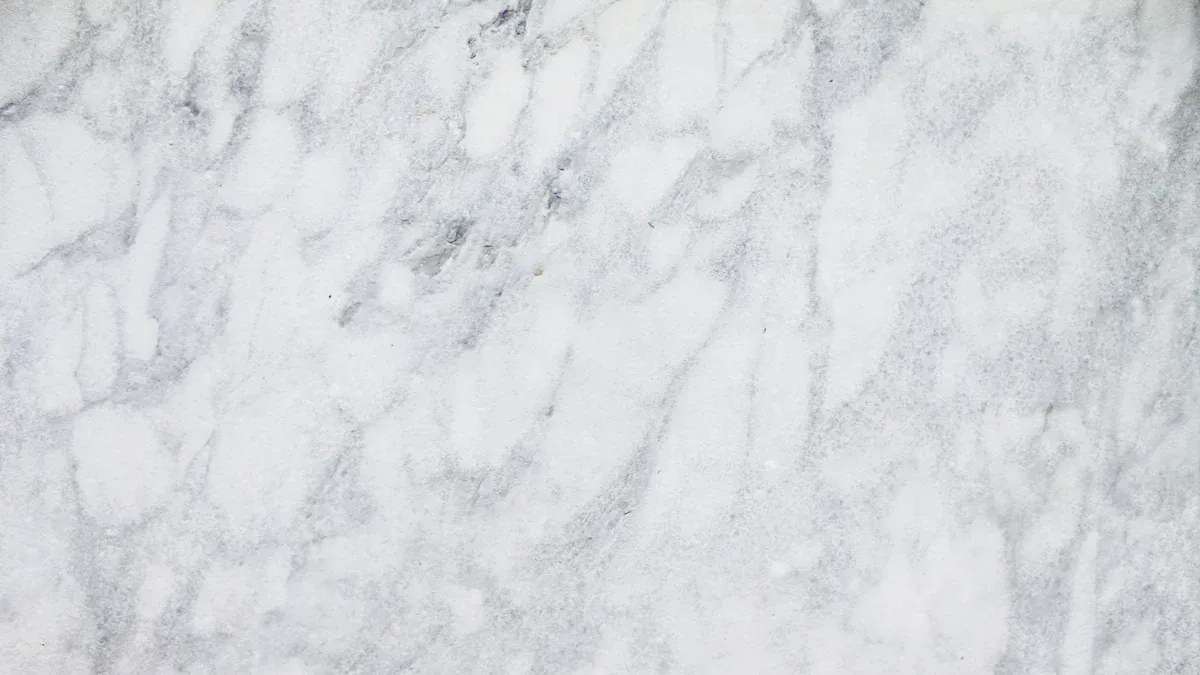
Natural Beauty of Marble
You notice the natural beauty of marble right away when you walk into a kitchen or bathroom with marble countertops. Each slab tells a story through its unique veining and color variations. The geological process that transforms limestone into marble introduces minerals that create dramatic patterns and shades. This makes every marble countertop one-of-a-kind, giving your space a sense of luxury and timeless appeal.
Characteristic | Описание |
|---|---|
Veining Patterns | Unique and varied, contributing to the aesthetic appeal of marble countertops. |
Color Variations | Different grades of marble exhibit varying levels of color consistency, enhancing visual interest. |
Finishes | Options like polished, honed, and leathered affect the appearance and suitability for design styles. |
You can choose from several types of marble, each with its own look and feel. Carrara marble offers soft white backgrounds with delicate grey veins, perfect for traditional or modern design. Calacatta marble stands out with bold, thick veins against a light background, adding elegance to sophisticated spaces. Statuarietto and Calacatta Cinela provide pristine white surfaces with striking or delicate veining, ideal for classic or luxury interiors.
Tip: The veining in marble depends on mineral deposits present during its formation. You see patterns that range from subtle and feathery to bold and dramatic. Some popular veining styles include Linear Veining for a modern look, Spider Web Veining for intricate detail, and Breccia Marble for a fragmented, dynamic appearance.
Marble veining varies by region and source, so you get a countertop that reflects the environment where the stone formed.
The finish you select—polished, honed, or leathered—can change the overall aesthetic and appeal of your marble countertop.
Color Consistency and Patterns of Quartz
Quartz countertops offer a different kind of beauty. You get a consistent color and pattern across the entire surface, which helps you achieve a uniform look in your kitchen or bathroom. Manufacturers create quartz by crushing and refining natural quartz crystals, mixing them with resins and pigments, and molding the mixture into slabs under high pressure and heat. This process ensures that each slab matches your chosen design and color scheme.
Crushing and refining natural quartz crystals
Mixing the crushed quartz with resins and pigments
Molding the mixture into slabs under high pressure and heat
Curing and finishing the slabs to achieve the desired look and texture
You can select from a wide range of popular quartz countertop colors:
Classic White Quartz
Light Gray Quartz
Dramatic Black Quartz
Soft Taupe Quartz
Patterned Quartz
Deep Brown Quartz
Quartz versus marble offers you flexibility in design. Quartz fits well in modern and minimalist spaces because of its uniform appearance. Honed quartz provides a contemporary look that appeals to homeowners who want a sleek, understated style. You can also find quartz that mimics the veining and patterns of marble, giving you the aesthetic appeal of natural stone with the durability and easy maintenance of engineered material.
Note: Quartz countertops resist chips, scratches, and stains much better than marble. You do not need to worry about everyday spills or heavy use damaging the surface. Marble, while more heat-resistant, is fragile and prone to etching and chipping if you do not handle it with care.
Quartz and marble countertops both impact kitchen design trends. You see a rise in demand for luxurious, high-end surfaces that elevate the aesthetic of home interiors.
The trend toward sustainable and eco-friendly materials influences choices, with quartz offering options for recycled or responsibly sourced countertops.
When you compare marble vs quartz, you must consider both the visual and practical aspects. Marble gives you unmatched beauty and unique patterns, while quartz provides color consistency and durability. Your decision depends on whether you value the natural aesthetic appeal of marble or the reliable, uniform look of quartz.
Marble vs Quartz: Durability and Maintenance
Durability Comparison
When you compare quartz versus marble, you notice a clear difference in durability. Quartz countertops offer impressive strength, making them a reliable choice for busy kitchens. You can see this in the Mohs hardness rating, which measures how well a material resists scratching:
Material | Mohs Hardness Rating |
|---|---|
Quartz Countertops | 7 |
Marble Countertops | 3 to 4 |
Quartz stands up to daily wear and tear much better than marble. You can chop vegetables, slide pots, and use your countertops without worrying about scratches or chips. Marble, on the other hand, feels softer and more delicate. You need to treat marble surfaces with care to avoid damage.
Lab tests show quartz excels in both scratch and impact resistance. You get a countertop that maintains its quality and value over time. The table below highlights how quartz and marble perform in real-world situations:
Performance Category | Lab Test Results | Real Use Outcomes | Importance |
|---|---|---|---|
Scratch Resistance | High resistance to scratches during food prep | Maintains a smooth surface despite chopping | Minimizes long-term wear and visible damage |
Impact Resistance | Strong against everyday impacts like utensil drops | Fewer chips or cracks in busy kitchens | Prolongs lifespan in high-traffic areas |
Marble vs quartz shows that marble can chip or crack if you drop heavy objects. You may see visible marks after years of use. Quartz resists these problems, so you get lasting durability and a better return on your investment.
Maintenance Comparison
You want countertops that look beautiful and stay clean with minimal effort. Quartz vs marble offers very different maintenance routines. Quartz countertops are non-porous, so they do not absorb liquids. You do not need to seal quartz, and you can clean it easily with a damp cloth and mild detergent. This makes quartz a low-maintenance option for your home.
Marble countertops require more attention. Marble is porous, so it can stain and etch if you spill acidic foods or drinks. You need to seal marble every 6 to 12 months to protect it from damage. Regular sealing helps maintain the aesthetic and quality of your marble surfaces.
Tip: If you want a countertop that resists bacteria and stains, quartz is the better choice. Quartz surfaces often include antimicrobial agents, which help keep your kitchen safe and clean.
Here is a quick comparison of stain resistance and maintenance:
Характеристика | Quartz | Мрамор |
|---|---|---|
Porosity | Non-porous | Porous |
Stain Resistance | High (does not absorb liquids) | Lower (can stain and etch) |
Maintenance | Easy (no sealing required) | Requires sealing |
Bacteria Resistance | High (antimicrobial agents used) | Lower (more prone to bacteria) |
Durability | High (resistant to scratches) | Moderate (can scratch) |
Cost Comparison: Quartz vs Marble Countertops
Material Cost Differences
When you compare quartz versus marble, you notice that the price depends on the type and quality of the countertop materials. Quartz countertops usually cost between $50 and $200 per square foot. Marble countertops range from $60 to $120 per square foot. You can see the differences in the table below:
| Countertop Type | Average Cost per Square Foot |
|---|---|
Quartz | $50 – $200 |
Мрамор | $60 – $120 |
Premium options change the price range. If you want high-end beauty and aesthetic appeal, you pay more for premium marble or quartz. The table shows the price range for these materials:
| Material | Price Range (per square foot) |
|---|---|
Quartz | $55 – $155 |
Мрамор | $75 – $250 |
You should consider both the initial cost and the long-term value when choosing countertop materials. Marble offers unique color and design, but quartz provides consistent durability and easier maintenance.
Installation and Lifetime Costs
Installation costs also affect your budget. Quartz countertops installation costs range from $70 to $100 per square foot. Marble countertops installation costs range from $50 to $200 per square foot. Marble countertops have a wider price range because of variations in quality and design.
Proper measurements help ensure stability and safety during installation.
You should use protective equipment like gloves and safety glasses to avoid injuries.
Keeping the workspace clean reduces the risk of accidents.
When you look at lifetime costs, you need to think about durability and maintenance. Both quartz and marble countertops last 15 to 25 years. Quartz countertops often come with warranties from 10 to 15 years, which shows manufacturers’ confidence in their durability. Marble countertops require careful maintenance and regular sealing to keep their beauty and appeal.
Countertop Type | Expected Lifespan | Characteristics |
|---|---|---|
Мрамор | 15 to 25 years | Requires careful maintenance, develops patina, susceptible to etching and staining |
Quartz | 15 to 25+ years | Durable, often comes with warranties, designed for long-term use |
Quartz vs granite vs marble all offer long-term value, but quartz stands out for its easy care and consistent aesthetic. You should weigh the initial cost, installation, and lifetime maintenance to find the best option for your home.
Tip: If you want a countertop that combines beauty, durability, and low maintenance, quartz may offer the best overall value.
Pros and Cons: Quartz vs Marble
Pros and Cons of Quartz Countertops
When you look at quartz countertops, you find many advantages that make them popular in homes. You get a surface that mimics the look of stone but needs less maintenance. Quartz resists hot pots, serrated knives, and most stains. You see vibrant colors and patterns, which help you match your kitchen’s aesthetic. The non-porous surface prevents liquid penetration, so you do not worry about stains or bacteria. You clean quartz easily, making it sanitary for food preparation. You do not need to seal quartz, and it works well with undermounted sinks.
Key benefits of quartz countertops:
Stunning appearance that mimics natural stone
Exceptional durability and strength, resisting stains, scratches, and heat
Non-porous surface for easy cleaning and maintenance
Waterproof and does not require sealing
Outperforms granite in stain tests
You should also consider some drawbacks. Quartz is less heat resistant than natural stone. High temperatures can cause discoloration or cracking. Sharp objects may scratch the surface, and certain chemicals can stain if not cleaned quickly. Quartz can fade with prolonged sunlight exposure. The cost is higher compared to laminate or wood.
Common drawbacks of quartz countertops:
Less heat resistance than marble or granite
Vulnerable to scratches from sharp items
Prone to staining from some substances
Sensitive to UV exposure
Higher price point
Pros and Cons of Marble Countertops
Marble countertops offer timeless beauty and appeal. You see unique veining and patterns that enhance any kitchen design. Marble is durable and hardwearing, with natural antibacterial properties. It resists heat, making it ideal for cooking. You can customize marble to fit different styles, which adds to its versatility.
Выгода | Описание |
|---|---|
Beauty | Exceptional aesthetic and elegance |
Durability | Hardwearing, withstands daily use |
Heat Resistance | Handles high temperatures well |
Ease of Maintenance | Simple cleaning with mild cleaner |
Customization Options | Can be shaped for various designs |
You need to know the cons as well. Marble is highly porous, so it absorbs liquids and stains easily. The surface is softer, making it prone to scratches and etching. Marble requires regular sealing and careful cleaning, which increases maintenance. Placing hot items directly on marble can cause thermal shock or discoloration. The cost is high, and ongoing care adds to the expense. Marble is less suitable for high-traffic kitchens because it needs extra attention to maintain quality.
Main disadvantages of marble countertops:
Porosity and susceptibility to stains
Softness and vulnerability to scratches
High maintenance requirements
Risk of heat damage
High cost
Limited durability in busy kitchens
Quartz versus marble gives you a clear choice based on your priorities for durability and maintenance, aesthetic appeal, and overall quality. You should weigh the pros and cons before deciding which material fits your needs.
Conclusion: Which is Better for You?
When you decide between quartz versus marble for your countertops, you need to think about your lifestyle, design preferences, and budget. Quartz gives you a durable, low-maintenance surface that fits busy homes. You clean quartz easily, and it resists stains and scratches. Marble offers unmatched beauty and luxury, but you must care for it regularly to keep its value.
You should consider these factors before choosing kitchen countertops or bathroom countertops:
Choose quartz if you want a surface that stands up to heavy use and needs little upkeep.
Pick marble if you love natural patterns and want a premium look in your kitchen or bathroom.
Think about your cooking habits and how often you use your countertops.
Assess your willingness to maintain marble, especially in high-traffic areas.
The resale value of your home can depend on your choice. Many buyers prefer quartz for its easy maintenance and modern appeal. Marble attracts luxury buyers, but only if you keep it in good condition. The table below shows how quartz and marble compare for resale value:
Характеристика | Quartz | Мрамор |
|---|---|---|
Maintenance | Easy to maintain | Requires careful maintenance |
Aesthetic Appeal | Attractive to buyers | Luxurious look, but needs care |
Resale Value | Generally high due to demand | High if well-maintained |
Buyer Preference | Popular among buyers | Appeals to luxury buyers |
ЧАСТО ЗАДАВАЕМЫЕ ВОПРОСЫ
What is the main difference between quartz and marble countertops?
You see the main difference in how each material forms. Quartz is engineered with resins and pigments. Marble is a natural stone with unique veining. Quartz offers more color consistency. Marble gives you one-of-a-kind patterns.
Can you use marble countertops in a busy kitchen?
You can use marble in a kitchen, but you need to care for it. Marble scratches and stains more easily than quartz. You must seal it often and clean spills quickly to keep it looking beautiful.
How do you clean quartz countertops?
You clean quartz countertops with a soft cloth and mild soap. You do not need special cleaners or sealants. Quartz resists stains and bacteria, so you can keep your kitchen safe and tidy with little effort.
Which countertop is better for resale value?
You often find that quartz countertops appeal to more buyers because they are durable and easy to maintain. Marble attracts buyers who want luxury. Both can add value, but quartz usually fits more lifestyles.
How does a countertop comparison help you choose?
A countertop comparison lets you see the strengths and weaknesses of each material. You can match your needs for durability, maintenance, and style. This helps you make a smart choice for your home.