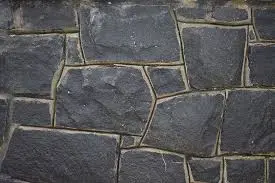
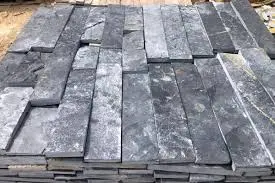
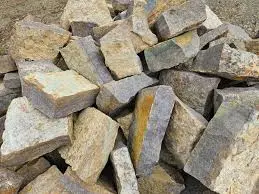
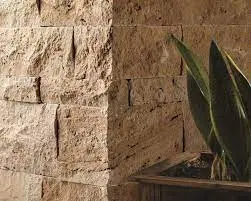
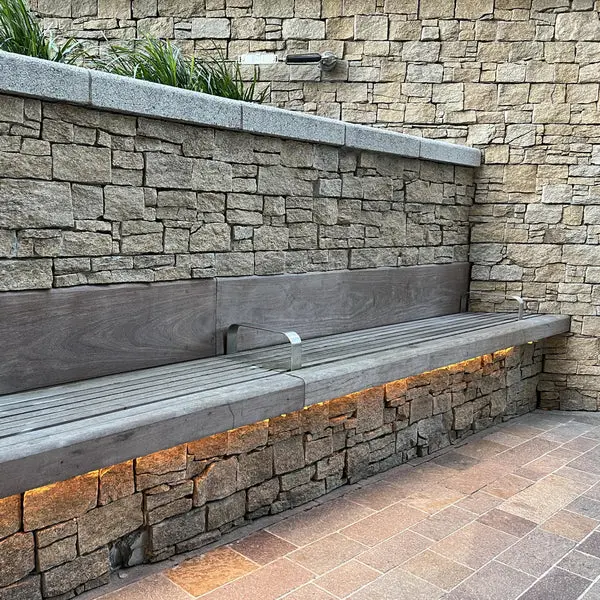
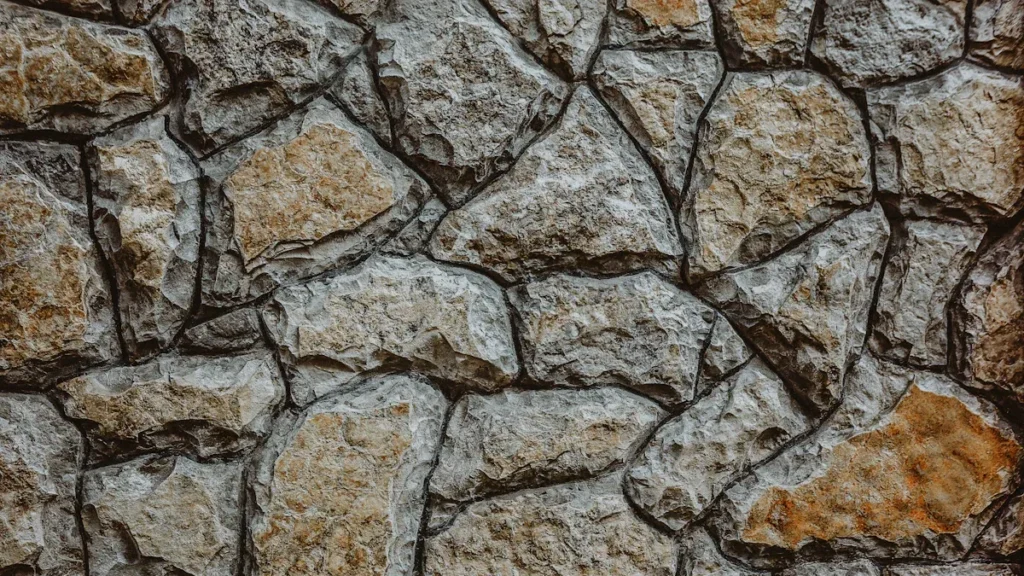
If you’re planning a construction project, choosing the right building stone is one of the most important decisions you’ll make. Building stones play a critical role in construction projects, influencing structural strength, durability, maintenance cost, and architectural appearance. Choosing the right type of stone is not only about aesthetics but also about climate suitability, load-bearing capacity, and long-term performance.
In this guide, we break down 10 types of building stone, explaining their characteristics, best applications, and why they’re preferred in modern construction. Whether you’re a contractor, architect, or homeowner exploring material options, this overview will help you make an informed choice with confidence.
How to Choose the Right Building Stone
1.Identify the application type
Structural use (foundations, load-bearing walls)
Exterior use (facades, paving, cladding)
Interior use (flooring, countertops)
Decorative use (sculptures, architectural details)
2.Consider climate conditions
Cold climates → granite, quartzite (low porosity)
Hot climates → limestone, sandstone (heat reflection)
Coastal areas → basalt, dense granite (salt resistance)
3.Evaluate maintenance requirements
Low maintenance: granite, basalt
Medium maintenance: sandstone, limestone
High maintenance: marble, travertine
Popular Types of Building Stone
Granite
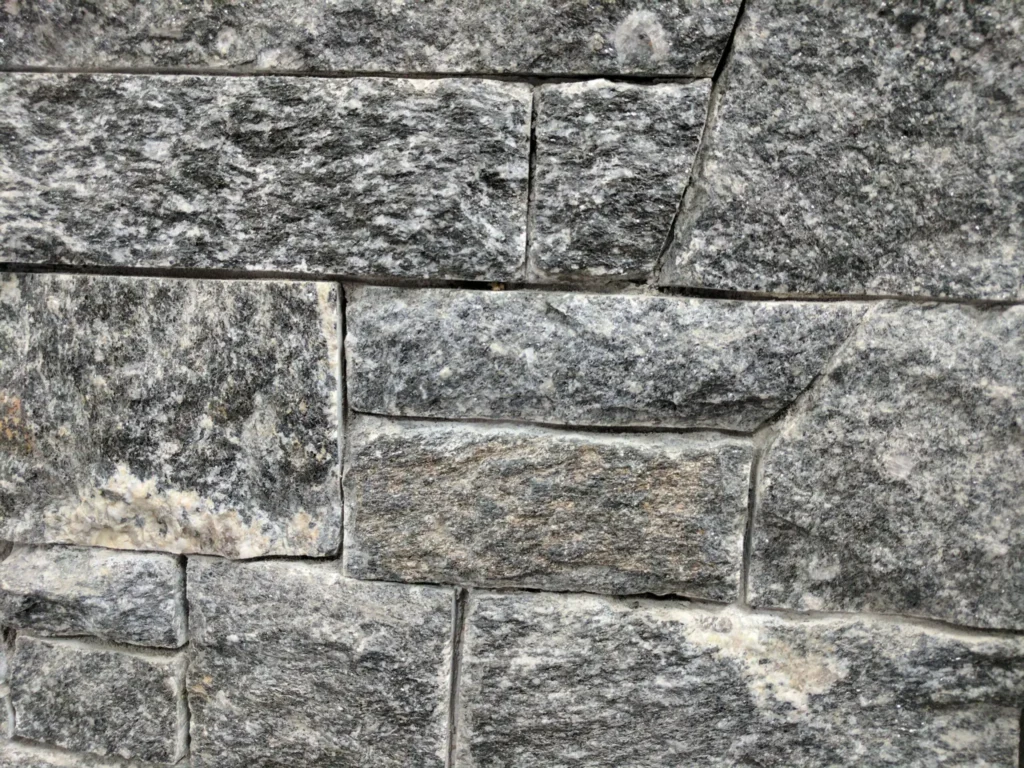
Granite stands as one of the most popular types of building stone for both exterior and interior projects. You find granite in many countries, including China, India, Brazil, Finland, and South Africa. This stone forms deep underground when magma cools slowly, creating a dense, hard rock with interlocking crystals.
Granite contains minerals like alkali feldspar, quartz, and mica. These minerals give granite its unique colors and patterns.
The compressive strength of granite ranges from 100 MPa to over 250 MPa. Some types even exceed 300 MPa, making granite ideal for high-traffic areas.
Granite resists weathering and water absorption better than many other types of building stone. Its low porosity helps prevent damage from freeze-thaw cycles.
You often see granite in countertops, flooring, monuments, and as a structural stone in bridges and buildings. Its durability and visual appeal make it a top choice among natural stones.
Granite is widely used in high-load structural applications due to its extremely low porosity and resistance to freeze-thaw cycles, making it suitable for cold and coastal environments.
Marble
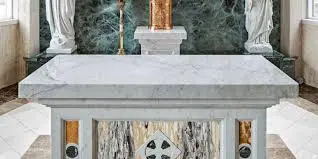
Marble is another popular building stone, prized for its elegance and smooth finish. You can find marble in Italy, Greece, Turkey, India, and Spain. Each region produces marble with unique colors and patterns.
Marble forms when limestone undergoes heat and pressure, transforming into a denser, crystalline rock.
The stone has low to moderate porosity. You need to seal marble surfaces to prevent stains and water absorption.
Marble can lose its polish and detailing if exposed to acids, so you should use it in areas with low risk of chemical exposure.
You see marble in sculptures, flooring, wall cladding, and decorative features. Its classic look makes it a favorite for luxury interiors and monuments.
Marble performs best in interior applications. When exposed to outdoor environments, it is more susceptible to acid rain erosion and surface dulling over time.
Limestone
Limestone is one of the most common types of stone used in construction. You find it in many countries, and it forms through biological accumulation, chemical precipitation, or evaporation.
Mineral Component
Description
Calcium Carbonate (CaCO3)
The main mineral in limestone, usually as calcite.
Formation Process
Forms from shells, coral, and chemical reactions in water.
Limestone is easy to cut and shape, making it a versatile building stone.
You see limestone in road bases, railroad ballast, and as aggregate in concrete.
Its natural appearance and workability make it popular for facades, flooring, and garden features.
Limestone offers a balance of strength and beauty, making it a staple among natural stones.
Limestone is relatively soft and porous, making it vulnerable to acid rain and weathering in polluted or humid environments.
Sandstone
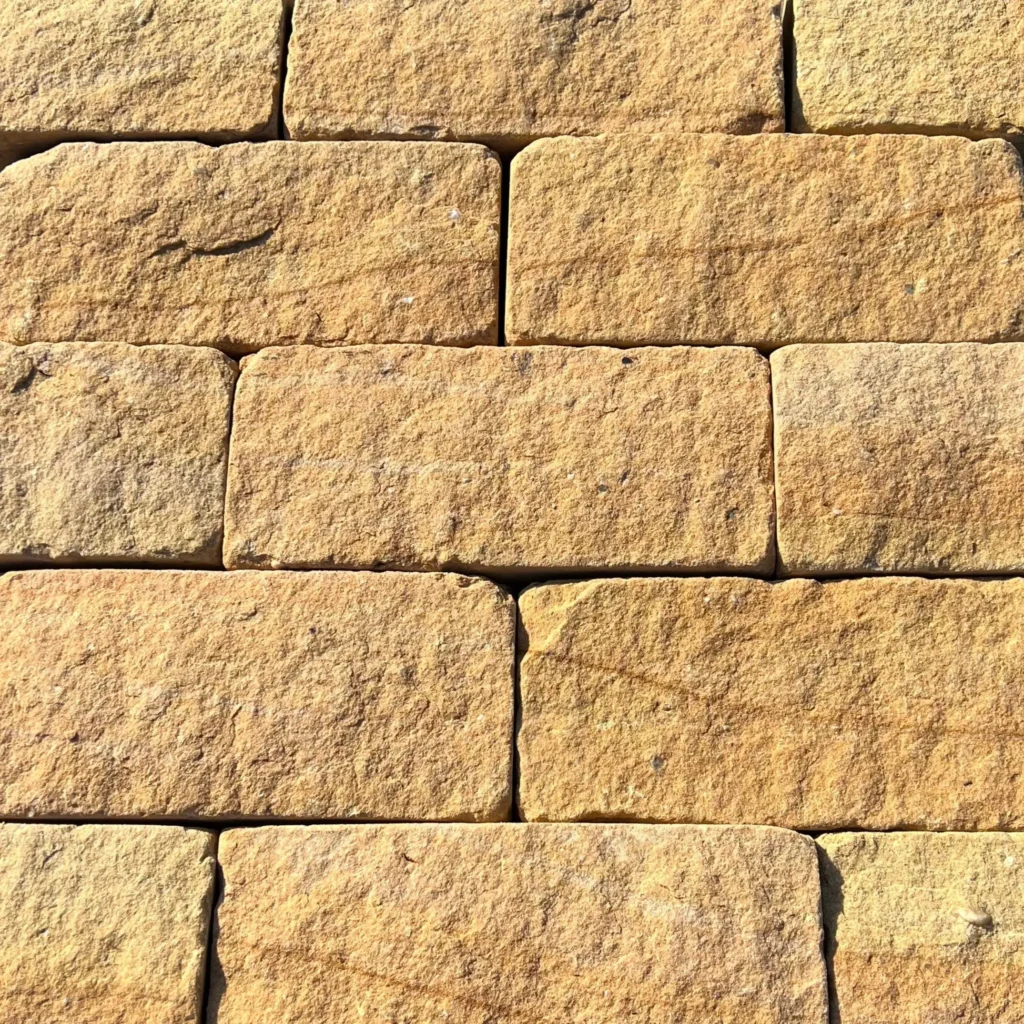
Sandstone is a popular building stone known for its warm colors and gritty texture. It forms from sand-sized mineral particles, mainly quartz and feldspar, cemented together by silica, calcium carbonate, or iron oxide.
Feature
Description
Composition
Mostly quartz and feldspar grains.
Grain Size
0.0625 to 2 mm, visible to the naked eye.
Porosity
Can hold and transmit fluids, making it useful in certain climates.
Durability
Depends on mineral composition and cementation.
Sandstone has a compressive strength of 35 to 40 MPa. Its interlocking grains give it good durability.
The stone’s porosity allows it to withstand freeze-thaw cycles and absorb moisture without breaking down.
You often see sandstone in paving, wall cladding, and landscaping. Its natural look and range of colors make it a favorite for outdoor spaces.
Sandstone performs well in moderate climates but may experience erosion in high-moisture or freeze-thaw conditions depending on cementation quality.
Basalt
Basalt is a dark, fine-grained volcanic rock. Builders use basalt as a popular building stone for its strength and durability.
Property
Description
Tensile Strength
High, making it suitable for reinforcing concrete.
Elastic Modulus
Adds stiffness to construction materials.
Cracking Resistance
Improves the durability of concrete structures.
Basalt fibers enhance the strength and cracking resistance of concrete.
The stone’s compatibility with concrete makes it a good choice for roads, bridges, and foundations.
You see basalt in railway ballast, road bases, and as an aggregate in concrete. Its dark color and toughness set it apart from other types of building stone.
Slate
Slate is a fine-grained metamorphic rock that splits into thin, smooth layers. You find slate quarries in Pennsylvania, Vermont, and Wales.
Slate’s natural cleavage allows you to split it into flat sheets, perfect for roofing and flooring.
The stone resists moisture and chemicals, making it durable in wet environments.
You often see slate in roofing tiles, floor tiles, and wall cladding. Its unique texture and color variations add character to any building.
Quartzite
Quartzite forms when sandstone undergoes high heat and pressure, turning into a dense, hard rock. This process creates a stone that is mostly quartz, giving it great strength and weather resistance.
Quartzite’s tightly interlocked grains make it harder than many other natural stones.
The stone resists weathering and abrasion, making it suitable for outdoor use.
You see quartzite in countertops, flooring, and as a decorative stone in landscaping. Its sparkling appearance and durability make it a popular building stone for modern projects.
Travertine
Travertine is a type of limestone that forms when groundwater rich in carbon dioxide interacts with calcium carbonate rocks. This process creates a stone with a porous, textured surface.
Travertine absorbs moisture quickly, so you need to seal it regularly to prevent stains.
The stone’s unique texture and warm colors make it a favorite for patios, pool decks, and bathrooms.
You often see travertine in wall cladding, flooring, and garden paths. Its natural beauty and versatility make it a popular building stone for both indoor and outdoor spaces.
Gneiss
Gneiss is a metamorphic rock formed from granite, sandstone, or shale under high pressure and temperature. You find gneiss in ancient regions like the Canadian Shield, the Alps, and the Scottish Highlands.
Gneiss has a compressive strength ranging from 50 to 200 MPa. Its durability allows you to use it in load-bearing walls and foundations.
The stone’s banded appearance adds visual interest to facades and countertops.
You see gneiss in flooring, retaining walls, and as a decorative stone. Its strength and unique look make it a valuable natural stone for construction.
Laterite
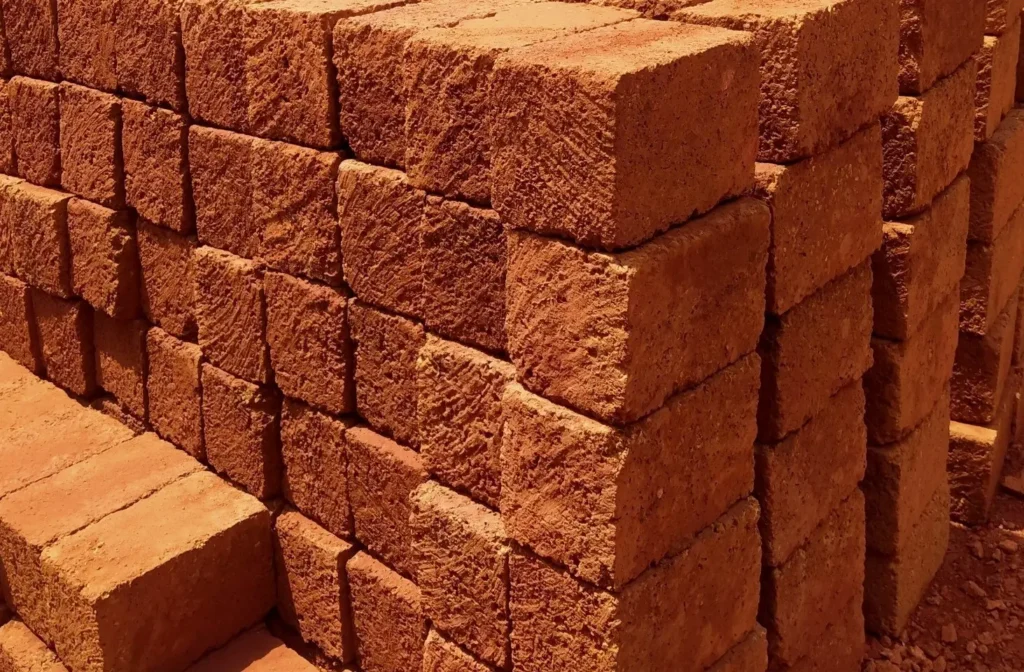
Laterite is a reddish, iron-rich stone found in tropical regions between the tropics of Cancer and Capricorn.
Region Type
Description
Tropical Areas
Covers most land between the tropics.
Excluded Areas
Rare in deserts and some parts of Africa and Australia.
Laterite contains iron oxides like goethite and hematite, which give it strength and durability.
Builders use laterite for walls, foundations, and as a building block in humid climates.
You often see laterite in rural buildings and historical structures. Its availability and workability make it a common choice in tropical regions.
Note: When you choose among the types of building stone, consider the stone’s strength, appearance, and how well it fits your climate and project needs. Natural stones offer unmatched durability and beauty, while engineered stone provides consistency and design flexibility. By understanding the properties of each popular building stone, you can make the best choice for your construction project.
Types of Building Stone in Construction: Key Features
Origin
Granite forms deep underground from slowly cooled magma. You find it in countries like India, Brazil, and China.
Marble develops when limestone experiences heat and pressure. Italy and Greece produce famous varieties.
Limestone comes from the accumulation of shells and marine organisms. Many regions worldwide have limestone quarries.
Sandstone forms from compacted sand grains, often in riverbeds or deserts.
Basalt originates from cooled lava flows, especially in volcanic regions.
Slate forms from shale under heat and pressure, often in mountainous areas.
Quartzite results from sandstone exposed to intense heat and pressure.
Travertine forms near hot springs where minerals deposit over time.
Gneiss develops from granite or sedimentary rocks under extreme conditions.
Laterite forms in tropical climates where intense weathering occurs.
Properties
Stone Type
Key Properties
Common Applications
Granite
Extremely durable; high compressive strength
Foundations, countertops
Marble
Smooth, luxurious texture; high compressive strength; polished finish
Sculptures, flooring, wall cladding
Limestone
Easy to carve; aesthetic value
Architectural details
Sandstone
Porous; warm colors; moderate strength
Paving, landscaping
Basalt
High durability; excellent thermal performance
Building blocks, road pavements
Slate
Fine-grained, layered; splits into thin sheets
Roofing, flooring, outdoor steps
Quartzite
Hard, dense; resists weathering
Countertops, landscaping
Travertine
Soft, porous; anti-slip surface
Bathroom walls, pool decks
Gneiss
Banded texture; strong
Retaining walls, decorative stone
Laterite
Soft when fresh; hardens with exposure
Rural housing, heritage restoration
The properties of the types of stone used in construction, such as strength, durability, and porosity, determine their best uses. Stones with high compressive strength, like granite and basalt, work well for load-bearing structures.
Pros & Cons
Granite: 👍 Very strong and durable; 👎 Heavy and expensive.
Marble: 👍 Elegant and easy to polish; 👎 Prone to staining and acid damage.
Limestone: 👍 Easy to shape; 👎 Can weather in acidic rain.
Sandstone: 👍 Attractive colors; 👎 Can absorb water and erode.
Basalt: 👍 Tough and heat-resistant; 👎 Hard to cut.
Slate: 👍 Splits into thin sheets; 👎 Brittle if not handled carefully.
Quartzite: 👍 Hard and weather-resistant; 👎 Difficult to work with.
Travertine: 👍 Non-slip surface; 👎 Needs sealing due to porosity.
Gneiss: 👍 Strong and decorative; 👎 Can be uneven in texture.
Laterite: 👍 Easy to cut when fresh; 👎 Low strength when compared to other stone types used in construction.
Uses
Granite is commonly used in structural foundations, countertops, and exterior monuments due to its strength and resistance to weathering.
Marble appears in sculptures, flooring, and wall cladding.
Limestone is common in architectural details and garden features.
Sandstone works well for paving and landscaping.
Basalt is used in construction materials for roads and building blocks.
Slate is popular for roofing and outdoor steps.
Quartzite is chosen for countertops and landscaping.
Travertine is used in construction for pool decks and bathroom walls.
Gneiss is found in retaining walls and as a decorative stone.
Laterite is often used in construction for rural housing and restoration projects.
When you select from the types of building stone used in construction, consider the environment, required strength, and the look you want. Each stone type used in construction offers unique benefits for different projects.
Comparison of Types of Building Stones
Best Uses
When you compare building stones, you need to look at durability, cost, appearance, and best uses. The table below gives you a quick reference to help you decide which stone fits your project.
Granite stands out for its strength and resistance to weather. You often see granite in places that need to last, such as monuments and foundations. If you want a stone that looks elegant, marble gives you a smooth finish and classic style. Limestone and sandstone work well when you want a softer look or need to carve details. Basalt and quartzite offer high durability for outdoor and heavy-use areas.
Appearance
The appearance of each stone also affects your choice. For example, granite has bold patterns that suit modern and traditional designs. Marble fits luxury interiors. Sandstone and laterite add warmth to rustic or Mediterranean styles. The table below shows how stone patterns match different architectural styles.
Architectural Style
Stone Pattern Type
Aesthetic Impact
Georgian and Colonial
Ashlar
Clean lines create order and symmetry.
Mediterranean and Rustic
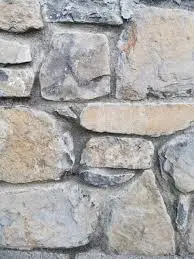
Irregular Rubble
Provides a weathered appearance, adding character.
Modern
Stacked Bond
Sharp lines align with minimalist design principles.
Transitional
Random Coursing
Versatile, blending traditional and modern elements.
Emphasizes natural qualities while maintaining integrity.
You should match the stone’s durability and look to your project’s needs. Granite works best for areas that need strength and a bold appearance. Marble and limestone suit spaces where you want elegance. Sandstone and slate add character to outdoor spaces. Laterite is a good choice for rural buildings in tropical climates.
Tip: Always consider how the stone’s pattern and color will fit your architectural style. You can create harmony or contrast by choosing the right building stone.
When you choose building stones for construction, focus on strength, appearance, cost, and how well the stone fits your climate. For example, dense basalt works best in coastal areas, while light-colored limestone or sandstone helps in hot, sunny regions.
Climate
Best Stone Materials
Coastal
Basalt, shellstone
Cold
Low-porosity granite
Hot, Arid
Limestone, sandstone
For large projects, consult a professional to check local availability and ensure the stone meets safety and durability standards. Use the comparison table above to match stone materials to your project needs.
FAQ
Which building stone performs best in freeze-thaw climates?
Granite, quartzite, and basalt perform best in freeze-thaw climates because they have low porosity and resist water absorption. This prevents cracking caused by repeated freezing and thawing cycles.
What is the difference between structural and decorative stone?
Structural stones are used for load-bearing applications such as foundations and walls, requiring high strength and durability. Decorative stones are mainly used for aesthetic purposes like flooring and cladding, where appearance is more important than structural capacity.
Why does marble degrade faster outdoors than granite?
Marble degrades faster because it is composed mainly of calcium carbonate, which reacts with acids in rainwater and pollution. Granite has a more stable crystalline structure and lower chemical reactivity, making it more resistant to weathering.
Which stone materials are best for hot climates?
Limestone and sandstone work best in hot climates. These building stones reflect sunlight and help keep buildings cool. You can use them for walls, paving, and outdoor spaces.
Is laterite a good choice for rural construction?
Laterite is a practical building stone for rural construction. You can cut it easily when fresh. Laterite hardens over time and suits tropical climates. Builders often use it for housing and restoration projects.
I am Jason, a department head of George Group, bringing 10 years of international trade experience. Having managed over 500 electrical and whole-house custom projects, I oversee the workflow from initial order to final delivery, ensuring every phase meets rigorous engineering standards.