
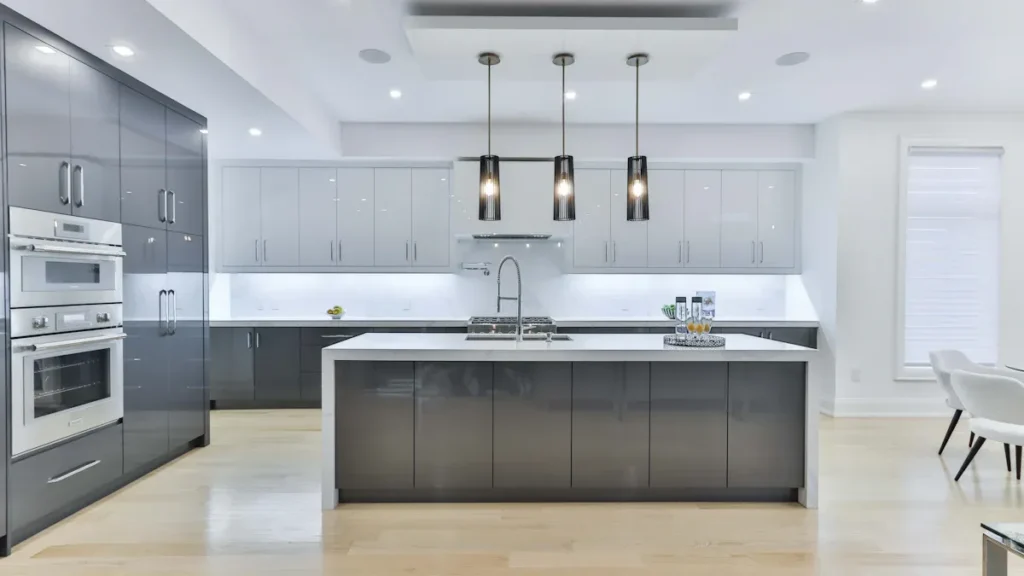
In 2026, the kitchen island is no longer just an extra countertop—it’s the heart of the modern home. From cooking and dining to working and socializing, the right island size can dramatically impact how your kitchen looks, feels, and functions. Choose one that’s too large, and the space feels crowded; too small, and you miss out on its full potential. This guide breaks down the ideal kitchen island sizes for modern homes, helping you find the perfect balance between style, comfort, and everyday usability.
Key Takeaways
Choose a kitchen island that takes up about 10% of your kitchen’s total area for optimal space usage.
Ensure at least 36 to 42 inches of clearance around the island for easy movement and access to appliances.
Select the island size based on your kitchen’s layout and your intended use, whether for food prep, dining, or storage.
Consider a counter height of 36 inches for comfort during meal preparation and casual gatherings.
Plan for seating by allowing 22 to 24 inches per seat and a 12-inch overhang for comfort.
Introduction
What is Kitchen Island Size?
When you plan your kitchen, you need to understand what kitchen island size means. It refers to the length, width, and height of the island you place in the center or heart of your kitchen. The right size depends on your kitchen’s total area, your layout, and how you want to use the island.
You can see the most common recommendations for kitchen island size in the table below. These dimensions help you choose the best fit for your space, whether you have a small, medium, or large kitchen.
Kitchen Size | Dimensions | Features |
|---|---|---|
Small Kitchen | 4 ft x 2 ft | Compact design, essential workspace, basic storage, lightweight, versatile. |
Medium Kitchen | 6 ft x 3 ft | Common size, ample workspace, seating, storage, integrates minor appliances. |
Large Kitchen | 8 ft x 4 ft or larger | Oversized, extensive surface area, supports integrated features, ideal for multiple users. |
You should also consider the intended use of your kitchen island. For example, if you want to use it for food prep, you need a surface at least 42 inches across for comfort. If you plan to use it for dining, you need more space for seating and movement. Storage-focused islands need enough room for pull-out shelves and drawers.
Intended Use | Size Considerations |
|---|---|
Food Prep | Requires ample surface area for chopping and cooking, ideally at least 42 inches across for comfort. |
Dining | Needs enough space for seating and movement, often requiring a larger footprint. |
Storage | Should include dimensions for pull-out shelves and drawers to maximize utility. |
Why Kitchen Island Size Matters in Modern Homes?
Choosing the right kitchen island size is important for both function and comfort. If you pick an island that is too large, you may block movement and make your kitchen feel crowded. If you choose one that is too small, you lose valuable workspace and storage.
You should match your island size to your kitchen layout and available space. Experts recommend that your island take up about 10% of your kitchen’s total square footage. You also need at least 36 to 42 inches of clearance around the island. This space lets you move easily and access appliances without bumping into corners or other people.
The kitchen island should ideally take up about 10% of the kitchen’s total square footage.
There should be at least 36 to 42 inches of clearance around the island to ensure smooth movement and access to appliances.
The actual size and layout should consider the intended use, such as food preparation or casual dining.
Modern homes often have open layouts, so your kitchen island size affects how you cook, eat, and gather with others. You want enough room for everyone to move comfortably, especially if you have multiple users at once. For example, a minimum room size of about 11 square meters (3m x 3.5m) works best for a standard kitchen island size. You should allow at least 90cm (about 36 inches) of clearance for movement, but 100–110cm (about 40–43 inches) feels more comfortable. If you plan to have seating, give each person at least 60cm of space and an overhang of 40–50cm for comfort.
Tip: Always measure your kitchen before choosing an island. Think about how you will use the space every day. This helps you avoid mistakes and ensures your kitchen island size fits your needs.
By understanding these guidelines, you can create a kitchen that feels open, efficient, and welcoming. The right kitchen island size will help you balance workspace, storage, and seating for your modern home.
Standard Kitchen Island Dimensions Explained
Typical Island Length and Width
You need to know the right kitchen island size for your space. The length and width of your island should match the size of your kitchen and how you plan to use it. Most modern homes follow these guidelines for kitchen island size:
Kitchen Size | Length (ft) | Width (ft) |
|---|---|---|
Small kitchens | 4 | 2 |
Medium kitchens | 6 | 3 |
Large kitchens | 8 or larger | 4 or larger |
If you have a small kitchen, you should look for an island that measures between 2 to 4 feet long and 2 to 3 feet wide. This compact kitchen island size gives you enough workspace without crowding your room. For medium kitchens, a typical island measures 4 to 6 feet in length and 3 to 4 feet in width. This size works well for food prep, casual dining, and extra storage. Large kitchens can support islands that range from 6 to 10 feet long and 4 to 6 feet wide. These larger islands often include extra features like sinks, cooktops, or smart storage.
Tip: Always measure your kitchen before choosing an island. Make sure you leave at least 40 inches of clearance on all sides for easy movement.
Matching the kitchen island size to your kitchen layout helps you avoid a cramped or awkward space. In an open-concept home, a larger island can serve as a central hub for cooking, eating, and gathering. In a galley or L-shaped kitchen, a smaller island may fit better and keep the space open.
Standard Kitchen Island Height
The height of your kitchen island affects how comfortable it feels for different tasks. You will find three main height options for kitchen islands:
Table height: 30 inches
Counter height: 36 inches
Bar height: 41–43 inches
Most homeowners choose a counter height of 36 inches for their kitchen island. This standard kitchen island size works well for meal preparation, baking, and casual seating. You can use regular counter stools with this height, which makes it easy for family and friends to join you while you cook.
The average height of a kitchen island is around 36 inches tall, making it counter height. This is because it is usually a more comfortable height for chopping, mixing and other food prep tasks.
If you want a space for entertaining or serving drinks, you might prefer a bar height island. Bar height islands measure between 41 and 43 inches tall. These islands create a visual separation between the kitchen and living area. They also work well with taller barstools, which range from 24 to 28 inches in height.
Here is a quick comparison:
Type | Height (inches) | Purpose |
|---|---|---|
Counter Height | 36 | Meal preparation and family gatherings |
Bar Height | 41-43 | Entertaining and creating a separate area |
You should choose the kitchen island size and height that matches your daily routine. If you spend a lot of time preparing meals, a counter height island will feel most comfortable. If you host parties or want a bold look, a bar height island may suit your needs.
When you select the right standard kitchen island size, you create a space that feels balanced and functional. Always consider your kitchen layout, the amount of clearance you need, and how you plan to use the island. This approach ensures your kitchen island fits perfectly into your modern home.
Kitchen Island Size Trends for 2026
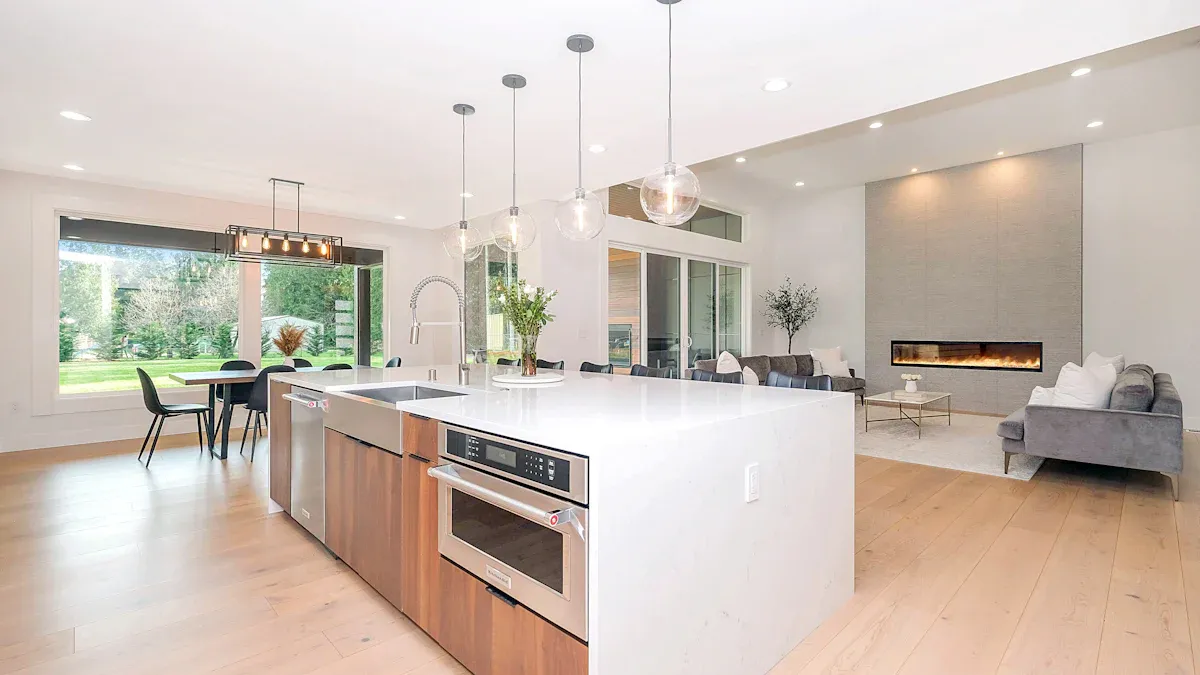
Popular sizes in modern kitchen designs
You see a clear shift in kitchen island size preferences in recent years. Many homeowners now choose larger kitchen islands for their homes. Over 42% of people prefer islands that measure 7 feet or longer. This number has grown by 10 percentage points since 2020. Smaller islands, those less than 6 feet, have become less popular. You notice this trend especially in open-plan kitchens, where a large island creates a central hub for cooking and gathering.
Modern kitchen island style often features rectangular shapes for maximum prep and seating space. You also find L-shaped and curved islands that help zone different areas in the kitchen. These shapes allow you to add features like integrated sinks or cooktops, making your kitchen island size work harder for you.
Integrated appliances and smart storage solutions
You want your kitchen island to do more than just look good. Many new designs include smart storage solutions and built-in appliances. These features make your kitchen more efficient and organized.
Pull-out drawers with separators keep utensils and cutlery in order.
Peg-like inserts help you organize pots, pans, and dishware.
Specialty inserts hold spice jars and caddies.
Open shelving gives you quick access to everyday items.
Multi-purpose islands offer space for breakfast items and drinks.
Custom pantry cabinets maximize storage and improve workflow.
Modern islands often include tall pantry cabinets and integrated pantry walls. These additions give you extra storage and help keep your kitchen tidy. You also see deeper drawers and hidden bins for better organization.
Minimalist vs. statement islands
You can choose between minimalist and statement kitchen islands based on your style and needs. Minimalist islands focus on warm minimalism and functional design. They use natural materials like wood and keep finishes consistent. These islands are usually smaller and more compact, making them perfect for smaller households or those who want efficiency.
Statement islands stand out with bold designs and luxurious materials like quartz or natural stone. They are often larger and serve as a focal point in the kitchen. You see eclectic styles and strong contrasts in these islands. They may not be as practical, but they add visual impact.
Feature | Minimalist Kitchen Islands | Statement Kitchen Islands |
|---|---|---|
Size | Smaller, compact | Larger, prominent |
Materials | Light wood, laminate | |
Functionality | Efficient, utility-focused | Aesthetic, focal point |
You also notice a rise in eco-friendly materials like recycled glass and reclaimed wood. These choices reflect a commitment to sustainability and add unique character to your kitchen island size.
Conclusion: Finding the Perfect Kitchen Island Size for 2026
Choosing the right kitchen island size for your home in 2026 means looking at your space, your layout, and your daily needs. You should start by thinking about how you use your kitchen and who uses it most. Here are some important points to help you make the best decision:
Check the flow of traffic. Think about how many people move through your kitchen each day. Make sure everyone has enough room to walk around the island without bumping into each other.
Place your island near key areas like the cooktop and sink. This makes cooking and cleaning easier.
Decide what you want your island to do. Will you use it for food prep, extra storage, or seating? Your answer will shape the design.
FAQ
What is the minimum size for a kitchen island?
You need at least 4 feet by 2 feet for a basic island. This size gives you enough space for food prep and storage. Small kitchen islands work well in compact kitchens and help you maximize every inch.
How much clearance should I leave around my kitchen island?
You should leave 42 to 48 inches of clearance on all sides. This space lets you move, open appliances, and walk around the island without feeling crowded.
Can I fit seating at a medium-sized kitchen island?
Yes, you can add seating to medium kitchen islands. You need at least 24 inches of width per seat and a 12-inch overhang for comfort. This setup works well for casual meals or homework.
What is the best height for a kitchen island?
Most people choose a counter height of 36 inches. This height feels comfortable for cooking, eating, and working. Bar height islands, around 42 inches, work well for entertaining.
Should my kitchen island include appliances?
You can add appliances like a sink or cooktop if your island is large enough. Make sure you have enough space for safe use and easy cleaning.