
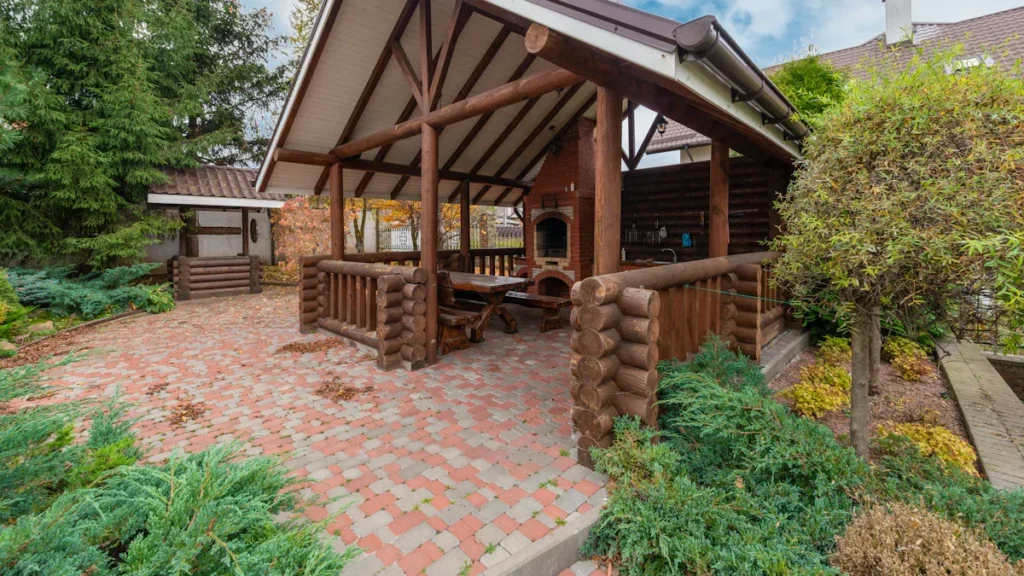
Choosing between a Pergola Next To House and a freestanding pergola shapes your outdoor lifestyle. Homeowners often select a pergola for these reasons:
Shade that boosts comfort during hot days
A defined area for social gatherings
An extended living space, especially for smaller homes
Enhanced property value and curb appeal
Customization options for personal style
A Pergola Next To House offers seamless transitions and usability, while a freestanding design brings flexibility in placement and structure. Make your outdoor space stand out with the right choice.
Key Takeaways
A pergola next to the house offers seamless integration, enhancing indoor-outdoor flow and making outdoor living more accessible.
Freestanding pergolas provide design flexibility, allowing placement anywhere in your yard, creating unique outdoor spaces.
Consider your available space and budget; attached pergolas maximize smaller areas, while freestanding options suit larger yards.
Regular maintenance is essential for both types; inspect for damage and clean to ensure longevity and safety.
Always check local building codes and permit requirements before starting your pergola project to avoid complications.
What Is a Pergola Next to the House? Pros and Cons
A pergola next to house transforms your outdoor area into a true extension of your home. This type of pergola attaches directly to your house, creating a seamless integration between indoor and outdoor living. Homeowners love the way it connects the patio or deck to the kitchen, dining room, or living space. The result is a smooth flow that encourages more time spent outdoors.
A pergola next to house delivers seamless integration, making it easy to move between your home and your outdoor retreat.
The construction of a pergola next to house relies on the strength of your home’s wall. One side of the pergola attaches with a ledger beam, while sturdy posts or columns support the other side. Rafters run perpendicular to the wall, allowing sunlight to filter through while still providing shade.
Definition | Construction Method |
|---|---|
An attached pergola has one side connected to the wall of a home, using the wall for support. | It is constructed with a ledger beam lag screwed into the wall, supported by posts or columns on the other side. Rafters typically run perpendicular to the wall for optimal light access. |
Pros to have pergola next to house
Easy access to utilities—install lighting, fans, or speakers with less hassle.
Enhanced practicality—enjoy a welcoming space for dining, relaxing, or entertaining.
Customizable design—match your home’s style for a unified look.
Affordable expansion—gain usable square footage without the cost of a full addition.
Increased property value—homes with outdoor living spaces sell faster and attract more buyers.
Cons to have pergola next to house
Placement depends on your home’s design.
Poor installation can cause water leaks.
Regular checkups are needed at the connection points.
May block natural light if not designed carefully.
Wooden pergolas require ongoing maintenance.
A pergola next to house delivers both beauty and function. With seamless integration, you create an inviting space that boosts your home’s appeal and value.
What Is a Freestanding Pergola? Key Features Explained
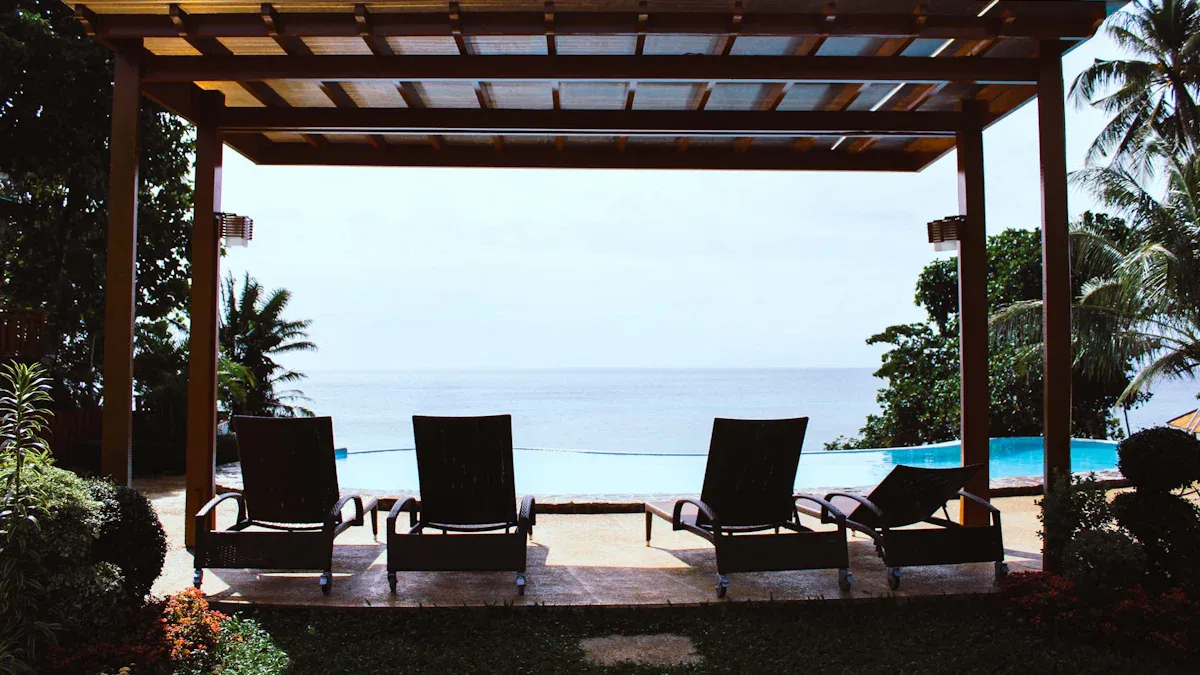
A freestanding pergola is an outdoor structure that stands independently without attaching to your home. Supported by four or more ground-anchored posts, it offers complete placement freedom—whether over a garden pathway, beside a swimming pool, or as a centerpiece in your backyard.
Unlike attached pergolas, this stand-alone design eliminates the risk of moisture transfer to your home’s exterior and simplifies maintenance. Its open-air framework provides both shade and airflow, creating a comfortable, inviting environment for relaxation and outdoor gatherings.nance is easier because you do not need to access your home’s exterior.
Type of Pergola | Definition | Structural Support |
|---|---|---|
A structure that stands independently with four or more posts. | Requires no connection to a home. | |
Attached Pergola | A structure that connects directly to a house wall. | Utilizes the house wall for support. |
Key Benefits
Landscape architects value freestanding pergolas for their wide range of design possibilities. You can choose classic or modern styles, incorporate motorized louvers, or create a shaded area for gatherings. The larger footprint accommodates more guests and serves as a striking focal point in your yard. Improved airflow and natural light further enhance comfort.
Design flexibility lets you place the pergola anywhere.
Enhanced aesthetics boost your home’s curb appeal.
Improved air circulation creates a pleasant environment.
Versatile functionality adapts to changing weather.
Simplified installation often reduces costs.
Structural requirements are important. Freestanding pergolas need posts set in concrete for stability. Engineering ensures the structure handles wind and snow loads. You may face fewer permitting hurdles, making the process smoother.
Choose a freestanding pergola if you want creative freedom, easy maintenance, and a stunning outdoor living space. This option transforms your backyard into a place where you can relax, entertain, and enjoy nature.
Pergola Next to House vs. Freestanding: Main Differences
Choosing the right pergola transforms your outdoor living experience. Both attached and freestanding pergolas offer unique benefits, but their differences can impact your comfort, budget, and home value. Let’s break down the main factors that set these two options apart.
Usability
A pergola next to the house creates a seamless flow between your indoor and outdoor spaces. You step outside and instantly enjoy shade, shelter, and easy access to amenities. This design enhances daily living, especially when you want to extend your kitchen, dining, or lounge area.
A freestanding pergola, on the other hand, gives you the freedom to design a separate retreat. Place it anywhere—over a garden, beside a pool, or in the middle of your yard. This flexibility allows you to create a peaceful escape, away from the hustle of the main house. You can shape your outdoor environment to match your vision and lifestyle.
Tip: If you want a smooth transition for entertaining or dining, choose a pergola next to the house. For a private oasis, a freestanding pergola is the best choice.
Space and Placement
Space plays a major role in your decision. An attached pergola works well in smaller yards, maximizing every square foot. It connects your home to the outdoors, making even compact spaces feel larger and more inviting. This option also adds stability in windy regions.
A freestanding pergola shines in larger backyards. It lets you carve out a distinct area for relaxation or gatherings. You can position it on a flagstone patio, a manicured lawn, or any spot that needs a focal point. The design flexibility means you can adapt your pergola to your landscape and personal style.
Installation
Installation requirements differ between the two types. An attached pergola uses your home’s wall for support. This reduces the need for extra materials and heavy framing. The process is often quicker and less expensive. You also gain easy access to electrical outlets for lighting or fans.
A freestanding pergola requires a complete framework. All posts must be anchored securely into the ground. This ensures stability and safety, especially in open areas. The installation takes more time and effort, but you gain the freedom to place your pergola wherever you want.
Pergola Type | Average Cost Range |
|---|---|
Attached to House | $1,700 to $5,000 |
Freestanding Pergola | $2,500 to $6,500 |
Maintenance
Both types of pergola need regular care to stay beautiful and safe. Maintenance tasks include cleaning, checking for cracks or damage, and treating wood with paint or stain. The material you choose—wood, metal, or vinyl—will affect the specific upkeep required. Seasonal inspections keep your pergola in top shape, whether it’s attached or freestanding.
Clean your pergola regularly to prevent dirt buildup.
Inspect for cracks, loose bolts, or weather damage.
Paint or stain wooden pergolas each season.
Check mounting points for attached pergolas to avoid leaks.
Make sure freestanding pergolas remain stable and secure.
Design and Aesthetics
Design freedom sets freestanding pergolas apart. You can experiment with shapes, sizes, and features. Add curtains, climbing plants, or even a fire pit. An attached pergola, however, blends with your home’s architecture, creating a unified look that boosts curb appeal.
Which Pergola Is Right for You?
If you want a pergola that extends your living space and matches your home, choose an attached design. If you crave flexibility and a unique outdoor retreat, a freestanding pergola is the answer. Consider your space, budget, and how you plan to use your outdoor area. The right pergola will elevate your home and lifestyle.
How to Choose: Factors to Consider
Selecting the right pergola for your home means weighing several important factors. Each decision point shapes the comfort, style, and value of your outdoor space. Let’s break down what you need to consider before you commit.
Home structure
Your home’s structure sets the foundation for your pergola project. An attached pergola relies on the strength and integrity of your house wall. You must check if your wall can support the mounting hardware and ledger beam. If your home has brick, stucco, or siding, you may need special brackets or reinforcements. Freestanding pergolas do not depend on your house for support, but they require solid ground and proper anchoring.
Factor | Description |
|---|---|
Outdoor Space | Assess the size of your outdoor area and determine the desired level of shade coverage. |
Location | Decide where the pergola will be placed in relation to the house, patio, or garden. |
Proportions | Ensure the height and width of the pergola are proportional to the surrounding area. |
Mounting Requirements | Choose appropriate mounting brackets and hardware for secure attachment. |
Permits and Inspections | Check if building permits and inspections are required for your project. |
Zoning Restrictions | Be aware of zoning restrictions and setbacks affecting placement. |
Load-Bearing Requirements | Ensure the pergola meets load-bearing requirements for structural integrity. |
Electrical and Plumbing Codes | Ensure compliance with relevant codes if electrical or plumbing work is involved. |
Tip: Always consult a professional if you are unsure about your home’s ability to support an attached pergola.
Available space
Space availability can make or break your pergola plans. Measure your yard and visualize how the structure will fit. An attached pergola maximizes usable area in smaller yards and creates a seamless transition from indoors to outdoors. Freestanding pergolas need more room and can serve as a focal point or create distinct zones in larger landscapes.
Type of Pergola | Advantages |
|---|---|
Attached Pergola | Maximizes usable outdoor area in smaller yards, seamless transition from indoor to outdoor, reduced material costs, easier access to utilities, natural weather protection on one side. |
Freestanding Pergola | Greater flexibility in placement, can create distinct outdoor zones, serves as a focal point, requires more space and structural support. |
Note: Assess the available space next to your house to ensure the pergola will fit comfortably without overwhelming your yard.
Budget
Budget is a key factor in your decision. Costs vary based on materials, size, and design complexity. Attached pergolas often require fewer posts and footings, which can lower material costs. Freestanding pergolas may need more structural support and concrete footings, increasing expenses. Consider your long-term investment and maintenance needs.
Type of Pergola | Cost Range |
|---|---|
Basic Wooden | $500 – $3,000 |
Mid-range Vinyl/Aluminum | $2,000 – $5,000 |
High-end Custom | $5,000 – $15,000+ |
Type of Pergola | Cost per Square Foot |
|---|---|
Attached Pergola | $20 – $60 per sq ft |
Freestanding Pergola | $20 – $60 per sq ft |
Callout: Plan for installation and permit fees in your budget. These costs can add up quickly.
Intended use
Define how you want to use your pergola. If you dream of outdoor dining, choose a design with enough space for a table and chairs. For lounging, a pergola near a pool creates a shaded retreat with comfortable seating. If you want a cozy spot for gardening, a freestanding pergola offers flexibility in placement and design.
A covered pergola is ideal for an outdoor dining area, providing shelter from sun and rain while enhancing the dining experience.
For lounging, a pergola near a pool creates a shaded retreat, perfect for relaxation with comfortable seating.
A wood pergola with a roof can serve multiple purposes, from a cozy retreat to an entertainment space, showcasing its versatility based on intended use.
Visualize your furniture and activities before you choose the size and layout.
Local building codes
Local building codes and zoning laws play a crucial role in your pergola project. These regulations influence design, placement, and permit requirements. Many municipalities classify attached pergolas as home additions, which means you may need a building permit. Freestanding pergolas often face fewer restrictions, but you must still check for setbacks and anchoring requirements.
Requirement Type | Description |
|---|---|
Structural Requirements | Ensures the pergola is sound and stable. |
Height and Size Restrictions | Limits on how tall and large the pergola can be. |
Materials Compliance | Specifies acceptable materials for construction. |
Most jurisdictions require permits for pergolas over 100 square feet.
Permits ensure compliance with local building codes.
An engineer reviews plans during the permit process to ensure safety.
Anchoring is crucial, especially in areas prone to high winds. The International Residential Code (IRC) mandates that structures must be anchored to withstand wind uplift and lateral forces, ensuring safety and stability.
Careful planning and attention to these factors will help you choose the pergola that fits your home, lifestyle, and budget. Take the time to evaluate your options, and you will create an outdoor space that brings lasting enjoyment and value.
Can or Should a Pergola Be Attached to the House?
An attached pergola can transform your patio or deck into a true outdoor living room. Many homeowners choose this style for its seamless connection to the house. The characteristics of an attached pergola include direct support from your home’s wall, which creates a unified look and easy access to indoor amenities. This design often increases property value and makes outdoor entertaining more convenient.
Before you decide to build a pergola attached to the house, consider these important factors:
Anchoring Hardware: Select the right hardware for stability. Carriage bolts, lag screws, or Tapcons work best, depending on your wall material.
Installation Methods: Use proper techniques to ensure the pergola stays secure during storms or heavy winds.
Safety and Compliance: Always follow local building codes. Obtain permits and make sure your pergola meets wind and snow load requirements.
Addressing Existing Gutters: Plan for water drainage. Protect your home from leaks or water damage.
Connection Points: Strengthen the ledger board and rafter beams where the pergola meets the house.
Water-Resistive Barrier: Install a barrier to keep moisture away from your home’s framing.
Tip: A pergola attached to the house offers unmatched convenience, but only when installed with care and attention to detail.
There are some risks to consider. Many cities require permits and inspections for a pergola attached to the house, which can add time and complexity. If you do not seal the connection points properly, water can seep in and cause expensive repairs. Placement is also limited to areas with enough wall space, which may restrict your design options.
A pergola attached to the house is a smart investment for many homeowners. It delivers comfort, style, and value. Make sure you follow best practices and local codes to enjoy your new outdoor space for years to come.
How to Attach a Pergola to a House: Steps and Safety Tips
Attaching a pergola to your house can elevate your outdoor living space and add lasting value. You want a structure that stands strong and looks beautiful for years. Follow these essential steps to ensure a safe and secure installation.
Step-by-Step Guide
Choose pressure-treated laminated lumber rated for ground contact. This material resists rot and extends the life of your pergola.
Set all posts in concrete with a minimum depth of 24 inches. Deep footings prevent shifting and keep your pergola stable.
Allow the concrete to cure for at least 24 hours before adding weight. Patience here means lasting strength.
Wear safety gear, including hard hats and gloves, throughout the project.
Work with a helper when lifting heavy beams or working at heights.
Measure twice and cut once to avoid costly mistakes.
Use epoxy for critical joints and let it cure overnight before removing clamps.
Test all connections before final assembly to ensure everything is secure.
Tip: Proper anchoring protects your pergola from high winds and structural failure. Never skip this step.
Safety Tips
Always use safety glasses and steel-toe boots.
Set up scaffolding instead of balancing on ladders.
Select materials that resist warping and cracking over time.
Check every connection for strength before finishing the project.
Safety Gear | Purpose |
|---|---|
Hard Hat | Protects head from falling objects |
Gloves | Shields hands from splinters and cuts |
Safety Glasses | Prevents eye injuries |
Steel-Toe Boots | Guards feet from heavy lumber |
A well-attached pergola transforms your patio into a stunning retreat. Take every precaution and follow these steps for a result that lasts.
Do You Need a Permit for a Pergola Attached to the House?
Building a pergola attached to your house can transform your outdoor space. Before you start, you must understand the rules about permits. Many cities treat an attached pergola as a home addition. This means you almost always need a building permit. Permits protect your investment and ensure your structure meets safety standards.
Local building codes decide if you need a permit. In most areas, small residential pergolas under 200 square feet may not require one. However, attached pergolas usually face stricter rules because they add new loads to your home’s structure. You should always check with your local building department or zoning office before starting your project.
Note: Never assume you can skip the permit process. Fines and forced removal can cost you much more than the permit itself.
Permit requirements for pergolas can differ based on design and placement:
Attached pergolas are considered home additions. These almost always require a building permit due to the extra weight and connection to your house.
Freestanding pergolas often face fewer hurdles. Many cities classify them as accessory structures. Smaller freestanding designs sometimes avoid the permit process entirely.
Regulations vary by location. Always confirm the specific rules in your city or county.
A permit ensures your pergola is safe, secure, and built to last. It also protects your home’s value if you decide to sell. Take the time to follow the rules. You will enjoy peace of mind and a beautiful outdoor retreat for years to come.
Pergola Kits vs. Custom-Designed Pergolas: Which Is Better?
Choosing between a pergola kit and a custom-designed pergola can shape your outdoor experience. Homeowners often want a solution that fits their budget, style, and long-term goals. Let’s compare the two options so you can make a confident decision.
Feature | Pergola Kits | Custom-Designed Pergolas |
|---|---|---|
Cost | Generally less expensive | Higher cost due to customization |
Quality of Materials | Higher-quality, durable materials | |
Design Flexibility | Limited designs and sizes | Fully customizable to specific needs |
Installation | Easier, often DIY | Requires professional installation |
Customization | Limited options | Tailored to match home style |
Durability | Less durable | More durable, built for longevity |
Size and Shape Limitations | Pre-determined sizes and shapes | Can be built to any size and shape |
Resale Value | Lower perceived value | Higher perceived value |
Time Investment | Time-consuming assembly | Less time investment for homeowners |
Pergola kits offer a quick and affordable way to add shade and style to your yard. You can assemble most kits yourself, which saves on labor costs. However, kits often use materials like vinyl or basic wood, which may not last as long. Design choices are limited to standard sizes and colors.
Custom-designed pergolas stand out for their quality and flexibility. You can choose the exact size, color, and features you want. Many custom pergolas use premium aluminum or specialty wood. These materials resist rot, rust, and fading. Professional installation means less work for you and a structure built to last.
“Better materials, design expertise, and professional construction add to the cost of our custom aluminum pergolas, which, unlike prefab pergolas, are built to last a lifetime.”
If you want a pergola that matches your home and boosts resale value, a custom design is the best investment. If you need a budget-friendly option and enjoy DIY projects, a kit may be right for you. Think about your goals, your space, and how much time you want to spend on maintenance.
Final Thoughts: How to Find the Pergola Style That’s Right for You
Choosing the right pergola can transform your outdoor space into a true extension of your home. Start by looking at your home’s style. A wooden pergola brings warmth and rustic charm to a traditional house. A metal structure creates a modern, sleek look that matches contemporary architecture. Vinyl offers a clean appearance and resists rot, making it a smart choice for low-maintenance living.
Tip: Match your pergola’s design to your home’s exterior for a cohesive and inviting look.
Think about how you want to use your outdoor area. Do you want a shaded spot for family dinners? Do you dream of a quiet retreat for reading or relaxing? Customization matters. You can add retractable canopies, lighting, or even climbing plants to make the space your own. This flexibility ensures your pergola fits your lifestyle and enhances your outdoor experience.
Consider the installation process. Some homeowners prefer pre-assembled kits for quick setup. Others enjoy the hands-on approach of a DIY project. If you want a unique design or have a complex yard, professional installation may be the best choice. Each option offers different benefits, so choose what works for your schedule and skill level.
Here’s a quick comparison of popular materials:
Material | Look & Feel | Maintenance Needs | Best For |
|---|---|---|---|
Wood | Natural, classic | Regular staining | Traditional homes |
Metal | Sleek, modern | Low | Contemporary designs |
Vinyl | Clean, bright | Minimal | Easy-care lifestyles |
Your perfect pergola should reflect your taste, meet your needs, and add value to your home. Take the next step. Start planning your dream outdoor space today!
Compare the benefits of a pergola next to house with the flexibility of a freestanding design.
Review your available space, budget, and intended use before making a decision.
Consult a local expert and check building codes for a smooth project.
Start planning your dream outdoor space today. Create a backyard that fits your lifestyle and adds lasting value.
FAQ
What is the best placement for a pergola next to the house?
Choose a spot that connects your indoor and outdoor living areas. Place the attached pergola near your patio or deck. This design boosts usability and creates a seamless transition for entertaining.
Can I mount a freestanding pergola on any surface?
You can mount a freestanding pergola on concrete, pavers, or grass. Secure the posts with proper anchors. Stable mounting ensures safety and long-lasting enjoyment.
Does a custom pergola design increase property value?
A custom pergola design adds style and function. Buyers love outdoor living spaces. Unique features and quality materials make your home stand out and attract higher offers.
Is maintenance easier for attached or freestanding pergolas?
Freestanding pergolas offer easier access for cleaning and repairs. Attached pergolas need regular checks at connection points. Both types require seasonal care to stay beautiful.
Do I need a permit for pergola installation?
Most cities require permits for attached pergolas. Freestanding pergolas may need permits based on size and placement. Always check local building codes before starting your project.