
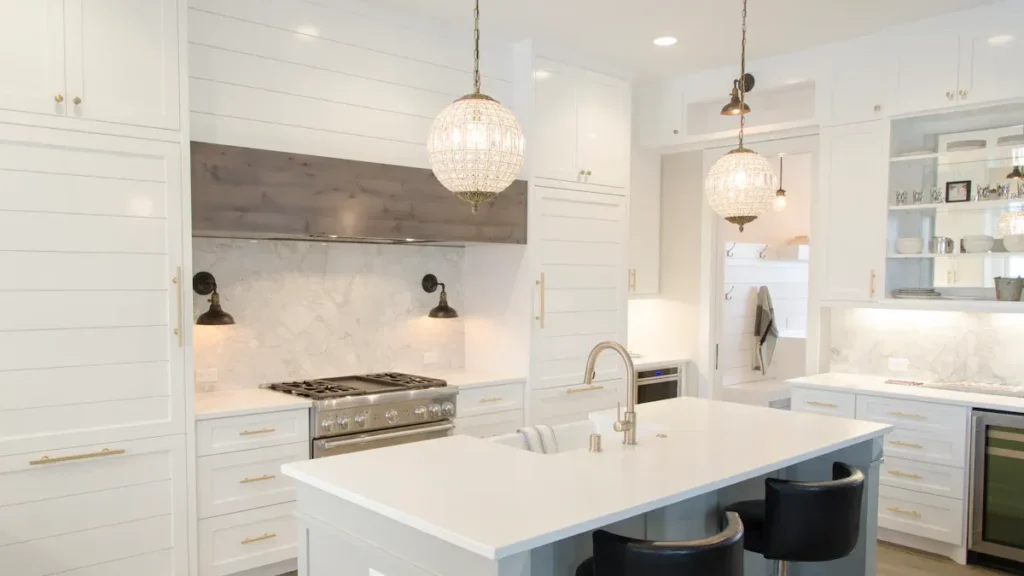
Cabinet replacement is when you take out old cabinets and put in new ones in your kitchen or bathroom. The steps usually go like this:
- You fill out a project questionnaire.
- You talk about what you need on the phone.
- You set up a meeting at your house for measurements.
- You look over a price quote.
- Experts put in your new cabinets.
The price can be very different. Cabinet refacing usually costs between $4,000 and $9,500. Refacing is cheaper if you just want to change how your cabinets look without getting all new ones.
الوجبات الرئيسية
- Cabinet replacement can make your kitchen or bathroom look better. Think about what you need and choose between refacing or full replacement.
- Measure your space very carefully before you begin. Use a checklist so you do not miss any sizes or important details.
- Pick the cabinet type that fits your budget and style. Stock cabinets cost less, but custom ones let you choose more details.
- Make a careful plan for your budget. Add up the costs for materials, labor, and any surprise expenses so you do not run out of money.
- You might want to hire professionals to install your cabinets. They can save you time and make sure the job looks great, especially if the project is hard.
Is Cabinet Replacement Right For You?
Signs You Need Replacement
Cabinets can show signs when they need to be replaced. Watch for these problems:
- Finishes that are peeling or chipped
- Scratches, dents, or cracks
- Water damage like swelling or color changes
- Hinges or hardware that do not work right
- Cabinet doors that hang unevenly or will not close
- Drawers that stick or feel loose
- Panels and shelves that feel soft or spongy
- Mold inside the cabinet core
- Structural parts that are cracked or rotten
- Plumbing leaks that happen again and again
- Metal parts that are very rusty
- Old designs that make your kitchen or bathroom look bad
Cabinets with cracks, warps, or sagging shelves can have bigger issues. These problems can make your kitchen unsafe and lower your home’s value.
Alternatives To Replacement
You might not need to replace your cabinets completely. Refacing is a common choice. It changes how your cabinets look but keeps the main parts. Here is a simple comparison:
| Option | التكلفة | المزايا | Drawbacks |
|---|---|---|---|
| Cabinet Refacing | Lower cost, faster | New look, quick work, saves money | Might not fix big structural problems |
| Full Cabinet Replacement | Higher upfront cost | Strong materials, fixes big issues, lasts longer | Takes more time, costs more, needs more planning |
Refacing is good if your cabinets are strong but look old. Replacement is better if your cabinets are badly damaged or you want a new layout.
Key Considerations
Think about these things before you start:
- Look at different cabinet styles and materials for your budget.
- Get prices from a few contractors to compare.
- Choose which features are most important for your kitchen or bathroom.
- Try doing some jobs yourself to save money.
Planning carefully helps you avoid mistakes and makes your cabinet replacement go well.
Planning Your Cabinet Replacement
Set Your Goals
First, decide what you want your cabinets to do. Think about how you use your kitchen or bathroom every day. Make a list of what matters most, like more storage, easy cleaning, or a modern style. Ask yourself if you want to change the layout or just update how it looks. Clear goals help you make good choices when you replace cabinets.
Measure Your Space
Getting the right measurements is very important. Follow these steps:
- Measure walls, heights, and spaces for appliances.
- Write down where outlets, pipes, and vents are.
- Check corners to see if doors can swing open. Plan for end panels.
- Record any walls or floors that are not even.
- Use tools like a tape measure, level, and graph paper.
Tip: Use a checklist so you do not miss any measurements.
Choose Styles & Materials
Cabinets come in three main types: stock, semi-custom, and custom. Each type has different features:
| Cabinet Type | Quality Description | نطاق التكلفة | Installation Time |
|---|---|---|---|
| المخزون | Few sizes and styles; good quality. | Least expensive | Ready to install soon |
| شبه مخصص | More choices and extras; good price and options. | Median price of $222/unit | 4 to 8 weeks |
| مخصص | Best quality and made just for you. | $500-$1,200 per linear foot | 12 to 18 weeks |
When picking cabinet pulls, use the ‘one third’ rule. The pull should be about one-third as wide as the drawer. This keeps the look balanced and makes drawers easier to open.
Budget Planning
Plan your budget by thinking about these things:
| العامل | الوصف |
|---|---|
| المواد | Prices change for plywood, particleboard, and solid wood. |
| Labor Costs | Professional work costs $50 to $150 per hour. |
| Hidden Costs | Extra money may be needed for hardware, repairs, or plumbing. |
| Customization | Custom cabinets cost more; stock saves money. |
| Contingency Fund | Save 10-20% for surprises. |
| Market Conditions | Local demand can change prices; off-peak times may be cheaper. |
Careful planning helps you avoid problems and keeps your cabinet project on track.
Cabinet Replacement Costs
Cost Factors
Many things can change the price of cabinet replacement. The size of your kitchen or bathroom matters a lot. Bigger spaces need more cabinets. The type of cabinets you pick also affects the cost. Stock cabinets are cheaper, while custom cabinets cost more. The materials you choose, like solid wood or particleboard, can raise or lower the price. Labor is another big part of the cost. Professional installers charge by the hour. If you need to move plumbing or electrical parts, the price will go up. Extra features, such as soft-close drawers or special finishes, add to the total.
Tip: Make a list of must-have features before you start shopping. This helps you stay on budget.
Price Ranges For 2026
Prices for cabinet replacement can change each year. In 2026, most homeowners will pay between $3,000 and $12,000 or more for a full replacement. Stock cabinets usually cost $200 to $350 per cabinet. If you measure by length, expect to pay $100 to $280 per linear foot installed. Custom cabinets can cost much more. The final price depends on your choices and the size of your project.
| Cabinet Type | Price Range (Installed) |
|---|---|
| المخزون | $200 – $350 per cabinet |
| شبه مخصص | $150 – $650 per linear foot |
| مخصص | $500 – $1,200 per linear foot |
Money-Saving Tips
You can save money on cabinet replacement by making smart choices. Pick stock cabinets instead of custom ones. Stock cabinets are ready-made and cost less. Try refacing your cabinets if they are still strong. Refacing changes the look without replacing everything. Do some work yourself, like removing old cabinets. Get quotes from different installers to find the best price.
Note: Always keep a little extra money for surprises, like hidden water damage.
Cabinet Replacement Process
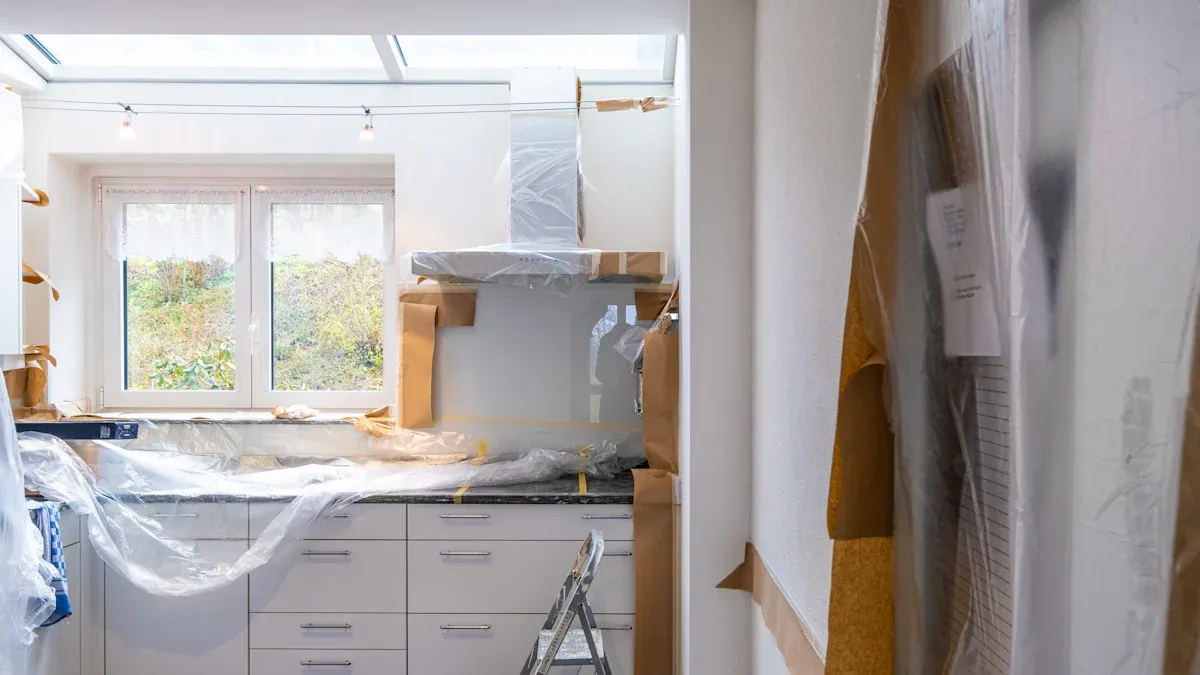
Preparation & Safety
Safety is very important when replacing cabinets. Before you begin, clear the space. Take everything out of cabinets and off counters. Turn off water and power if you are near pipes or outlets. Wear gloves to protect your hands. Put on safety glasses to protect your eyes. Use a dust mask if there will be dust or old paint.
Common tools you need are:
- شريط القياس
- Screwdriver set
- Pry bar
- Utility knife
- المطرقة
- المستوى
- الحفر
Tip: Keep a first aid kit close by. Accidents can happen even if you are careful.
Professional installers use extra tools like stud finders and strong drills. They follow strict safety rules. If you do it yourself, read instructions for each tool before using it.
Remove Old Cabinets
Taking out old cabinets is an important step. First, unscrew cabinet doors and drawers. Put them aside for recycling or throwing away. Use a screwdriver or drill to remove hinges and other hardware.
Next, look for screws or nails holding cabinets to the wall. Remove them with a drill or pry bar. Work slowly so you do not damage the walls. If cabinets are glued, use a utility knife to cut the glue.
Steps to remove cabinets:
- Take out doors and drawers.
- Remove hardware and hinges.
- Unscrew cabinets from walls.
- Cut glue if needed.
- Lift cabinets away from the wall.
Note: Ask someone to help with heavy cabinets. Two people can move big cabinets safely.
Professional installers remove cabinets faster. They use power tools and know how to protect floors and walls.
Install New Cabinets
Putting in new cabinets needs careful planning. Start by marking the wall where each cabinet will go. Use a level to make sure lines are straight. Place base cabinets first. Set them in place and check if they are level.
Attach cabinets to the wall with screws. Use a drill for this job. Connect cabinets to each other with clamps and screws. Check if cabinets are straight after each one. Adjust if needed.
Table: Steps for Installing Cabinets
| Step | الوصف |
|---|---|
| Mark wall | Draw lines for cabinet placement |
| Place base units | Set base cabinets in position |
| Level cabinets | Use a level for accuracy |
| Attach to wall | Secure cabinets with screws |
| Connect cabinets | Clamp and screw units together |
| Check alignment | Adjust for straight lines |
Wall cabinets go up after base cabinets. Lift them into place and secure with screws. Use a stud finder to find strong spots in the wall.
Tip: Check measurements twice before drilling. Mistakes can make cabinets uneven.
Professional installers use laser levels and special anchors. They finish the job quickly and neatly.
Finishing & Cleanup
Finishing steps make your cabinet project look nice. Put on doors, drawers, and hardware. Adjust hinges so doors close easily. Attach cabinet pulls using the one third rule.
Clean up dust and trash. Wipe cabinets with a damp cloth. Look for leftover screws or nails. Get rid of old cabinets the right way. Recycle wood and metal if you can.
Steps for finishing and cleanup:
- Install doors and drawers
- Attach hardware
- Adjust hinges and pulls
- Clean surfaces
- Remove debris
- Recycle old materials
Callout: Keeping your workspace clean helps you see problems early. Check your new cabinets for scratches or loose parts.
Professional installers usually clean up after the job. If you do it yourself, plan extra time for cleaning.
Cabinet replacement is a big job. Good preparation, safe removal, careful installation, and cleaning help you get great results.
DIY vs Professional Installation
DIY Pros & Cons
Some people want to put in cabinets by themselves. Doing it yourself can help you save money. You might feel proud when you finish the job. You can work when you want and learn new things. Some people like the challenge and want to do every step.
Pros of DIY:
- You pay less for labor.
- You can work on your own time.
- You feel good about your work.
- You get to learn new skills.
Cons of DIY:
- You might make mistakes.
- The job can take longer.
- You need special tools.
- You could get hurt if not careful.
Tip: DIY is best if you know some carpentry and have the right tools.
Professional Pros & Cons
Hiring a pro means you get someone with lots of skill. Professionals can work fast and know how to fix hard problems. They often finish quicker and give you a warranty for their work.
| الإيجابيات | السلبيات |
|---|---|
| You get expert results. | It costs more money. |
| The job gets done faster. | You have less control. |
| You get a warranty. | You must work with a crew. |
| Hard problems get solved. | You do less hands-on work. |
Note: Pros can fix things that might surprise you, like walls that are not straight or hidden damage.
Choosing The Best Option
Think about what you know, your money, and your time. If you know how to use tools and want to save, DIY might be good. If you want things to go smoothly and look great, hiring a pro is safer.
Ask yourself:
- Do I have the tools I need?
- Can I lift and put up heavy cabinets?
- How much time do I have?
- Is my kitchen easy or hard to work in?
Callout: For big or custom jobs, hiring a pro is usually best. For small jobs or easy layouts, DIY can work well.
Pick the choice that feels right for you and your project.
Common Mistakes To Avoid
Planning Errors
Many people make mistakes before the work even starts. They forget to measure their space carefully. They do not check if doors and drawers will open without hitting walls or appliances. Some people pick styles that do not match the rest of their home. Others set a budget that is too low and run out of money.
Common planning mistakes:
- Not measuring the kitchen or bathroom correctly
- Ignoring where outlets, pipes, or vents are
- Choosing cabinets that do not fit the space
- Forgetting to plan for extra costs
Tip: Always double-check your measurements and write them down. Ask a friend or family member to help you check.
Installation Pitfalls
Installing cabinets can be tricky. People sometimes use the wrong tools or skip important steps. Cabinets may end up crooked or loose. Some forget to find the wall studs before drilling. Others do not level the cabinets, so drawers and doors do not work right.
Watch out for these installation problems:
- Not using a level when hanging cabinets
- Missing the wall studs with screws
- Tightening screws too much or too little
- Rushing and skipping steps
| Problem | النتيجة |
|---|---|
| Cabinets not level | Doors and drawers stick |
| Weak wall anchors | Cabinets may fall |
| Skipped instructions | Poor fit and finish |
Note: Take your time and follow each step in the instructions. Use the right tools for the job.
Maintenance Oversights
After new cabinets are in, some people forget to take care of them. They use harsh cleaners that damage the finish. Water spills get left on surfaces. Hinges and hardware do not get checked or tightened.
Easy ways to avoid maintenance mistakes:
- Wipe up spills right away
- Use gentle cleaners and soft cloths
- Check and tighten hardware every few months
- Avoid hanging heavy items on cabinet doors
Callout: Good care helps your cabinets last longer and look new for years.
Cabinet Care & Maintenance
Cleaning Tips
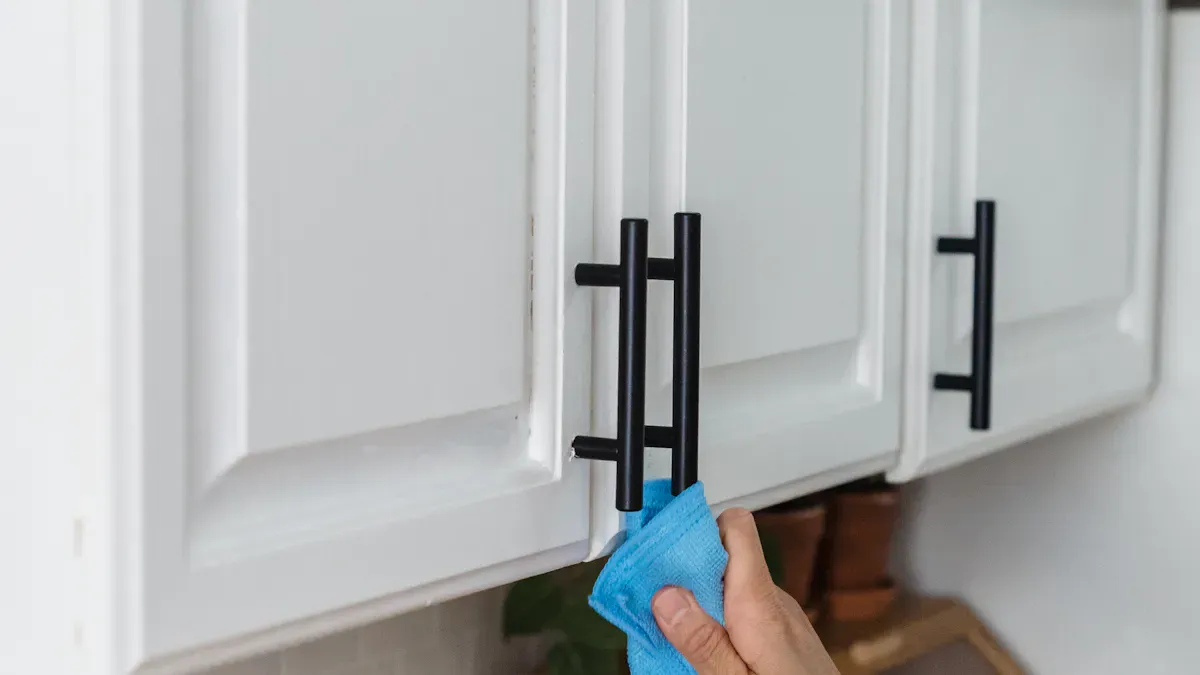
Cabinets stay looking new with regular cleaning. Use a soft, damp cloth to wipe surfaces. Dry with a clean towel right away. For sticky spots, mix a few drops of mild dish soap with warm water. Avoid harsh chemicals or rough sponges. These can scratch or fade the finish.
Tip: Clean spills as soon as they happen. This stops stains from setting in.
For glass cabinet doors, use a glass cleaner sprayed on a cloth, not directly on the glass. Always clean handles and pulls. These parts collect grease and dirt from hands.
Preventing Damage
Cabinets last longer when you protect them from harm. Keep water away from wood and seams. Place mats under sinks to catch leaks. Use bumpers on doors to stop slamming. Do not hang heavy items on cabinet doors.
Here are some ways to prevent damage:
- Close doors and drawers gently.
- Use liners in drawers to stop scratches.
- Keep heat and steam away from cabinet surfaces.
- Check for leaks under sinks often.
| Problem | How to Prevent It |
|---|---|
| Water damage | Wipe spills quickly |
| Scratches | Use soft cloths and liners |
| Warping | Control kitchen humidity |
Long-Term Care
Cabinets need care over time. Check hinges and handles every few months. Tighten loose screws. Oil hinges if they squeak. Touch up small scratches with a matching marker or paint.
Callout: Regular checks help you find small problems before they get worse.
Keep cabinets dry and clean. Open windows or use fans to lower moisture in the kitchen or bathroom. If you see mold or damage, fix it right away. Good care helps cabinets last for many years.
Changing your cabinets can make your kitchen or bathroom better. Think about what you want before you start. Measure your space to know what will fit. Pick materials that work for your needs. Make a budget so you know what you can spend. Decide if you want to do the work or hire someone.
- Look at choices like refacing or replacing everything.
- Watch out for mistakes and take care of your cabinets.
Begin by looking up local installers or reading more guides. Planning well helps you get the best results.
الأسئلة الشائعة
How long does cabinet replacement take?
Most cabinet replacement projects take 2 to 5 days. The time depends on the size of your kitchen and if you need extra work like plumbing or electrical changes.
Can I reuse my old cabinet hardware?
Yes, you can reuse handles and hinges if they are in good shape. This can save money and keep a familiar look in your kitchen.
What is the best material for kitchen cabinets?
Solid wood is strong and lasts a long time. Plywood is also a good choice. Particleboard costs less but may not last as long.
Do I need a permit to replace cabinets?
Tip: Check with your local building office. Most places do not need a permit for simple cabinet swaps. You may need one if you move plumbing or electrical parts.