
Gable windows feature a distinct triangular shape that follows the slope of the roof. These windows allow sunlight to fill unused spaces and improve airflow throughout the home. Homeowners often choose gable windows to create a visually appealing exterior and make rooms feel brighter. Consider your home’s architecture and identify areas where more light or ventilation could enhance comfort.
Tip: Positioning gable windows on higher walls can maximize both natural light and fresh air.
Key Takeaways
- Gable windows enhance natural light and ventilation, making rooms feel brighter and more inviting.
- Consider the architectural style of your home when choosing gable window designs to boost curb appeal.
- Proper planning and installation are crucial for gable windows; always check local building codes and structural compatibility.
- Regular maintenance of gable windows ensures they remain functional and visually appealing over time.
- Understand the differences between gable and dormer windows to make informed choices that suit your home’s needs.
What are Gable Windows?
A gable window is a window installed in the triangular wall section formed by the two slopes of a pitched roof. This area is called the gable. The gable window sits within this triangle, following the roof’s angle. The triangular shape of the gable window not only adds visual interest to a home but also supports the roof’s structure by helping distribute its weight. Homeowners often notice that a gable window provides unique views and brings more daylight into spaces that might otherwise feel dark or unused.
Note: The gable window’s position high on the wall allows sunlight to reach deeper into the room, making it a popular choice for attics, lofts, and upper-story spaces.
Gable windows come in many shapes and sizes, but their defining feature is their placement within the gable end of a house. Some gable window designs use simple triangles, while others may include arches or decorative glass. The window gable can become a focal point of the exterior, especially when paired with other architectural elements like dormers on a house or intricate trim.
The function of a gable window goes beyond looks. The triangular design helps maintain the structural integrity of the gable roof design. By fitting snugly into the gable end triangle windows, these windows help balance the forces acting on the roof. This makes the gable window both a practical and attractive addition to many homes.
Benefits of Gable Windows
Natural Light Advantages
Gable windows play a key role in maximizing natural light in homes. Their placement high on the wall allows sunlight to reach deep into rooms, making spaces feel open and inviting. A study on roof windows found that installing these windows led to a 40% increase in daylight in kitchen areas. Daylight at eye level improved by 25% in the morning and 45% in the afternoon. This boost in natural light can reduce the need for artificial lighting and create a more pleasant living environment. Homeowners who want to brighten dark corners or upper-story rooms often choose gable windows for this reason.
Ventilation and Airflow
Gable windows help improve airflow and keep indoor temperatures comfortable.
- They allow hot air to escape, creating a convection effect.
- As warm air rises and exits through the gable, cooler air enters from soffit vents.
- This process helps regulate temperature and prevents stuffiness in attics or upper floors.
Proper ventilation is important for maintaining healthy indoor air and protecting the structure from moisture buildup. Gable windows are a practical solution for homes with limited airflow.
Aesthetic and Curb Appeal
The unique triangular shape of gable windows adds visual interest to both modern and traditional homes. These windows can be tailored to match any architectural style, making them a popular choice for boosting curb appeal.
- In modern homes, gable windows often feature sleek lines and large glass panes, creating an open look.
- In traditional homes, they add classic charm with detailed trim and shapes.
Their ability to fit different window styles makes them a flexible option for many types of homes.
Energy Efficiency Benefits
Gable windows can improve energy efficiency by increasing daylight and supporting natural ventilation. More sunlight means less reliance on electric lights during the day. Better airflow helps regulate indoor temperatures, which can reduce heating and cooling costs. Choosing the right window styles and materials can further enhance these benefits.
Increased Home Value
Adding gable windows can raise a home’s value. Buyers often look for homes with plenty of natural light and attractive features. The variety of styles of gable windows allows homeowners to choose options that fit their needs and the architectural style of their house. Well-designed gable windows can make a property stand out in the market.
Gable Windows vs. Dormer Windows: Key Differences
Many homeowners wonder about the differences between gable windows and dormer windows. Both types bring light and style to upper floors, but they have unique features and serve different purposes. Understanding these differences helps when choosing the right window for your home.
Design and Appearance
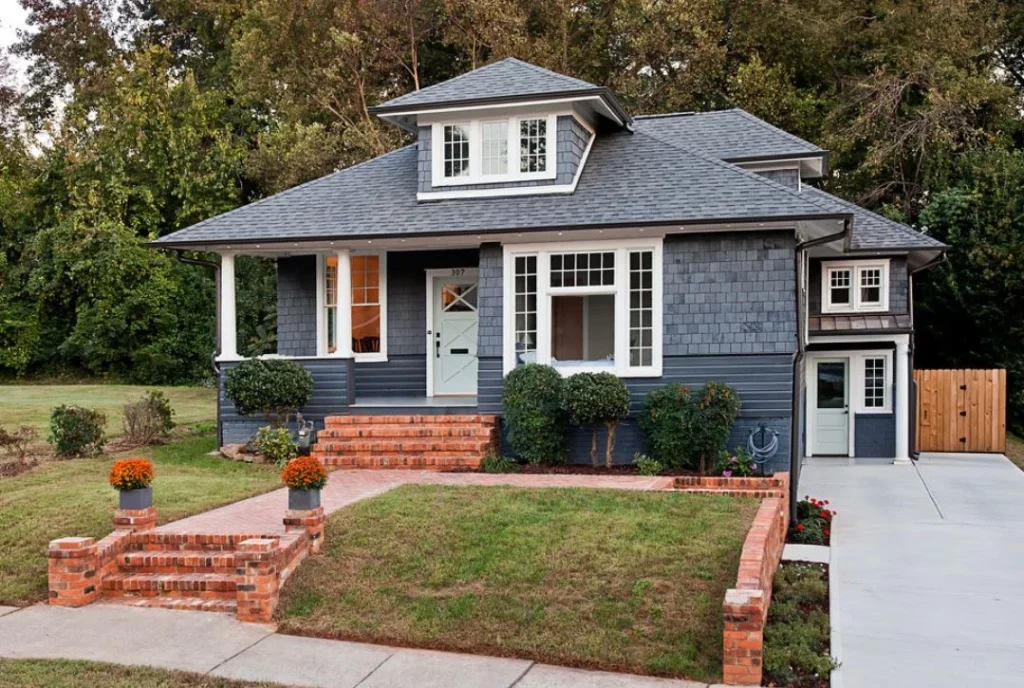
The main difference between a gable window and a dormer window lies in their placement and shape. Gable windows fit directly into the gable end of a house, following the slope of the roof. This creates a triangular window that blends with the roofline. Dormer windows, on the other hand, project out from the roof. They form a small structure with its own roof, often adding a decorative touch to the exterior.
Tip: Gable window designs often highlight the geometry of the roof, while dormers on a house create extra space and visual interest.
Here is a table that shows the key differences between gable windows and dormer windows:
Feature | Gable Windows | Dormer Windows |
|---|---|---|
Installation | Installed directly into the sloped section of the roof | Cut into the roof to create a vertical space |
Appearance | Forms a triangular shape, integrated into the roofline | Protrudes from the roof, adding a decorative element |
Functionality | Provides light and ventilation, visually impactful | Adds headspace and natural light in upper floors |
Function and Use
Gable windows bring sunlight and fresh air into spaces like attics, lofts, and stairwells. Their high position allows daylight to reach deep into rooms. These windows also help with ventilation, especially in areas that need airflow. Dormer windows, by contrast, create extra headroom and usable space. The definition of dormer window includes any window set in a structure that projects from a sloping roof. Dormers on roof sections are common in bedrooms, offices, or bathrooms where more space is needed.
Note: Gable end triangle windows are best for brightening and ventilating, while types of dormers are ideal for adding space and architectural detail.
Installation Complexity and Cost
The installation process for gable windows is usually less complex than for dormer windows. Gable windows fit into the existing gable end triangle, so they do not require major changes to the roof structure. Dormers on a roof need more construction work. Builders must cut into the roof and build a new frame for the dormer.
Gable dormers, which combine the look of a gable with the function of a dormer, involve more complex roof construction. This leads to higher installation costs.
Shed dormers are a more budget-friendly option for maximizing space in upper floors.
The cost of installing complex, hip, or gable dormers ranges from $110 to $150 per square foot. Shed dormers usually cost between $80 and $120 per square foot. Gable windows, because they do not require building a new roof structure, often cost less to install.
Choosing Between Gable and Dormer Windows
When deciding between gable vs dormer windows, consider your goals. If you want to increase natural light and ventilation without changing the roof shape, a gable window is a smart choice. If you need more headspace or want to add a unique feature to your home, dormers on a house may be better.
Remember: The right window can transform a room and boost your home’s value. Think about the function, style, and cost before making a decision.
Gable window designs and window gables work well in homes with a strong roofline. Dormer windows suit homes that need extra space or a decorative touch. Both options can enhance the look and comfort of your living space.
Popular Gable Window Styles
Choosing the right gable window style can transform a room and enhance your home’s exterior. Homeowners should think about their home’s architecture, the purpose of the room, and the available wall space before selecting a window style. Material durability and finish also play a key role in long-term satisfaction.
End Gable Windows
End gable windows sit at the gable end of a house. These windows follow the roof’s slope and often have a triangular shape. They bring in natural light and can make attics or lofts feel more open. Many homes use end gable windows to highlight the roofline and add character.
Circular Gable Windows
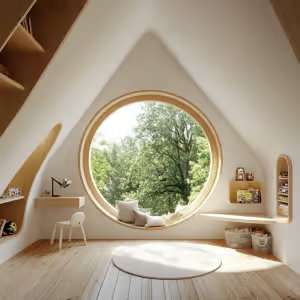
Circular gable windows, sometimes called “oculus” windows, add a unique touch to the gable. Their round shape stands out against the straight lines of a gable roof design. These windows work well in both modern and traditional homes. They often serve as a focal point and can be paired with other window gables for a dramatic effect.
Arched Gable Windows
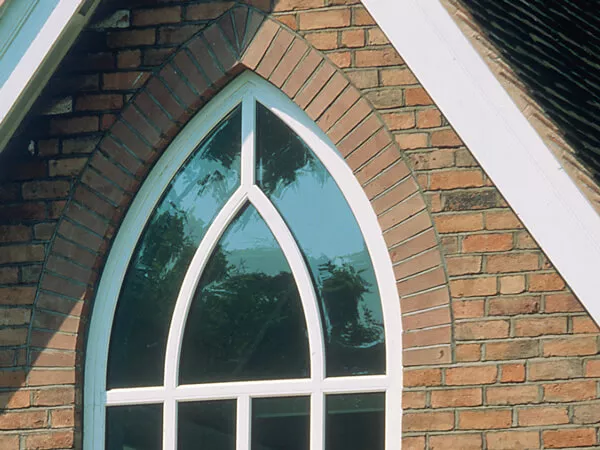
Arched gable windows feature a curved top that softens the look of the gable end triangle windows. This style fits well with classic or Mediterranean architecture. The arch allows more light to enter and creates a graceful appearance. Many innovative gable window designs use arches to blend elegance with function.
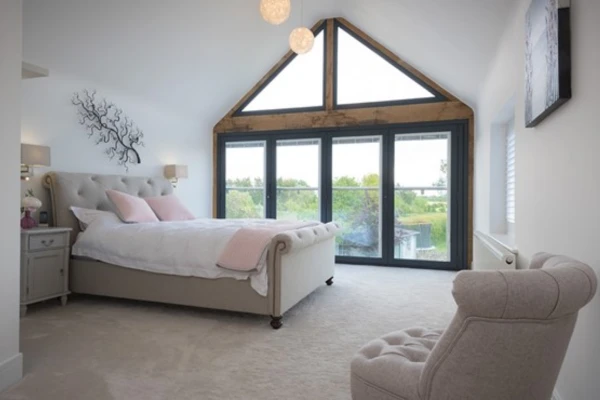
Floor-to-Ceiling Gable Windows
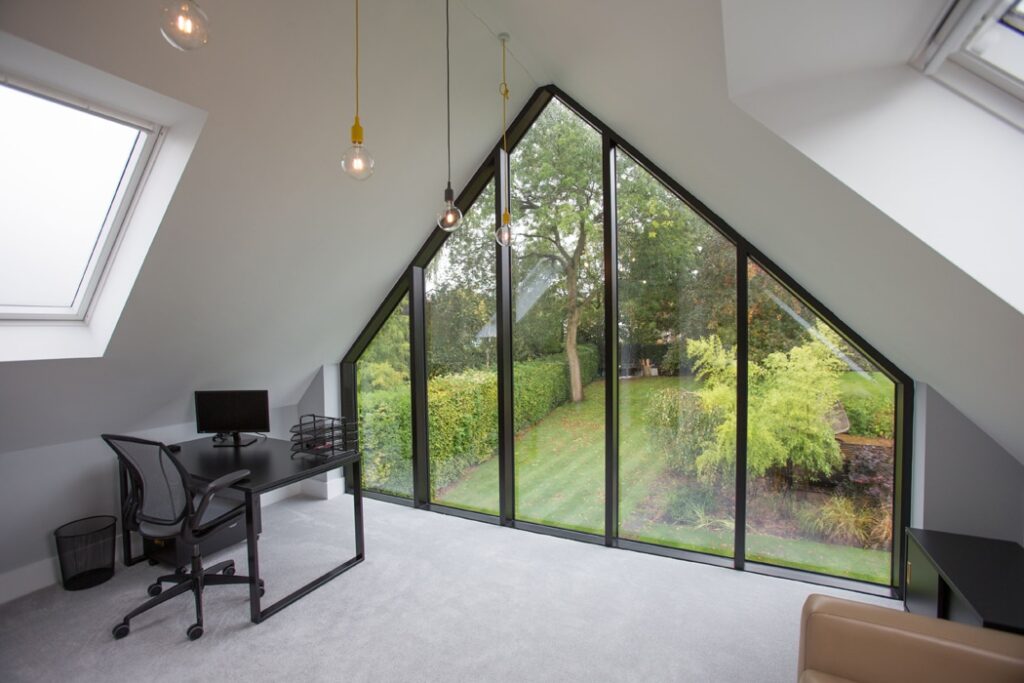
Floor-to-ceiling gable windows stretch from the floor to the peak of the gable. These windows maximize daylight and offer wide views. They are popular in living rooms or great rooms where homeowners want to connect indoor and outdoor spaces. This style works best in homes with large gable ends and open layouts.
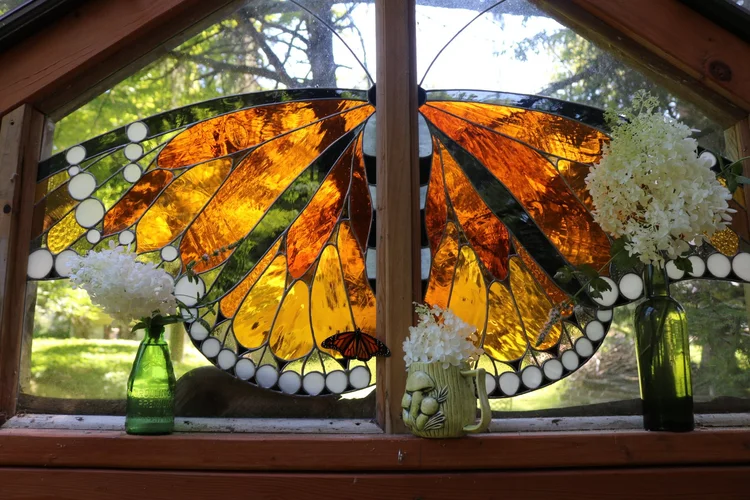
Stained Glass Gable Windows
Stained glass gable windows add color and artistry to the gable end of a house. Each window can feature custom patterns or images. Stained glass works well in entryways, stairwells, or any space where you want to make a statement. The glass also provides privacy while still letting in light.
Tip: When choosing a gable window style, compare frame materials like wood, vinyl, or aluminum. Each offers different levels of durability and maintenance.
Gable Window Costs
Standard Gable Window Pricing
Standard gable windows offer a cost-effective way to brighten your home. Most homeowners pay between $100 and $300 for a basic gable end window. These prices depend on the size and material. Vinyl frames are usually the least expensive, while wood or fiberglass frames cost more. When shopping for windows, compare different brands and ask about warranties. Standard windows in gables often come in simple triangle shapes that fit most gable roof designs. Many people choose standard options when adding a gable window to attics or lofts.
Tip: Always check if the window meets local building codes before you buy gable windows.
Custom Gable Window Costs
Custom gable window designs allow you to personalize your space. These windows can cost between $400 and $1,000 or more. The price increases with special shapes, such as arched or circular windows. Materials like wood or fiberglass also raise the cost. Custom windows in gables may include stained glass or unique trim. The table below shows a quick comparison:
Type of Window | Cost Range |
|---|---|
Standard Gable Window | $100 to $300 |
Custom Gable Window | $400 to $1,000+ |
When adding a gable window with custom features, ask for quotes from several suppliers. This helps you find the best value and ensures you buy gable windows that match your home’s style.
Gable Window Installation Costs
Installation costs for gable end window projects vary. Professional installation usually adds $300 to $1,500 to the total price. The complexity of the job and your location affect the final cost. Installing a gabled window in a new build is often easier than retrofitting one into an existing wall. If you are shopping for windows, ask installers about their experience with window gables and gable roof design. Always choose reputable professionals to avoid problems later.
Note: Installation costs may be higher for custom gable window designs or homes with steep roofs.
Before you buy gable windows, compare prices and look for trusted suppliers. Consider both standard and custom options to find the right fit for your budget and style.
Gable Window Installation
Planning and Preparation
Proper planning is the foundation of a successful window installation process. Before starting, gather essential tools such as a tape measure, pencil, adhesive, screw gun, skill saw, and level. Review the installation instructions provided by the manufacturer to understand the layout and assembly steps. This helps prevent mistakes and ensures a smooth workflow. Preassembling key components like the stretcher, V section, vertical posts, and installation stem can save time during the actual installation. Careful preparation also includes checking the gable end of a house for any structural issues. Addressing these early helps avoid complications later.
Tip: Double-check all measurements before cutting or assembling parts. Accurate planning leads to a better fit and longer-lasting gable windows.
Installation Steps
The window installation process for gable windows involves several important steps. Each step requires attention to detail to ensure proper alignment and sealing, which are critical for performance and longevity.
Frame the window opening using king studs, jack studs, and cripple studs.
Cut, fit, and nail the king studs to connect the top wall plate with the soleplate.
Place the jack studs at the correct height inside the window opening.
Cut and fit the header, making sure it is flush with the wall frame.
Install the window sill between the jack studs and secure it with cripple studs.
Place the top cripple studs, marking and cutting them to fit, then secure them in place.
Sealing the window edges and checking for gaps will help prevent air and water leaks. Proper alignment ensures the window gable fits securely and operates smoothly.
Professional vs. DIY Installation
Choosing between professional and DIY installation depends on your skills, tools, and comfort level with construction projects.
Benefits of DIY installation:
Cost savings if done correctly
Flexibility to work on your own schedule
Personal satisfaction from completing the project
Risks of DIY installation:
Potential for costly mistakes if you lack experience
Need for specialized tools and knowledge of materials
Possibility of uncovering hidden damage that may require professional help
Benefits of hiring a professional:
Assurance of proper installation and compliance with building codes
Access to professional tools and expertise
Time-saving, as the project is completed efficiently
Risks of hiring a professional:
Higher upfront costs compared to DIY
Dependence on the contractor’s schedule and availability
Note: For complex gable window designs or when working with steep gable roof design, hiring a professional is often the best choice. Proper installation and maintenance will help your gable windows last for years.

How to Choose the Right Gable Window
Selecting the right gable window involves several important factors. Each home has unique needs based on design, climate, and function. The following table shows key criteria to consider:
Criteria | Description |
|---|---|
Direction of wind | Wind direction affects window placement. |
Location of Room | Each room has different lighting and airflow needs. |
Utility of room | The room’s use guides window choice. |
Climatic condition | Local weather impacts material and glass selection. |
Size and shape of room | Room dimensions influence window size and style. |
Architectural point of view | The window should match the home’s design. |
Choosing the Right Material for your Window Frame
Window frames come in wood, vinyl, aluminum, and fiberglass. Wood frames offer a classic look and good insulation. Vinyl frames are affordable and resist moisture. Aluminum frames are strong and lightweight. Fiberglass frames last long and need little maintenance. Choose a frame that fits your climate and matches your gable roof design.
Choosing the Right Glass
Glass type affects energy efficiency and comfort. The table below compares common options:
Glass Type | Advantages | Disadvantages |
|---|---|---|
Laminated Glass | Reduces energy bills, blocks up to 99% of UV rays, lowers noise | Less efficient than insulated laminated glass |
Insulated Laminated Glass | Better insulation, improved energy efficiency | More expensive |
Laminated glass works well for most homes. Insulated laminated glass is best for extreme climates or large window gables.
Fixed vs. Operable Gable Windows
Fixed gable windows do not open. They offer top energy efficiency and prevent air leaks.
Operable gable windows open to let in fresh air. They help with ventilation and can lower cooling costs.
Tip: Use fixed windows in rooms where airflow is not needed. Choose operable windows for spaces that need extra ventilation.
Standard vs. Custom Sizing
Standard gable windows fit most homes and cost less. Custom-designed gable windows suit unique spaces or special shapes. Custom sizing works well for the gable end of a house with unusual dimensions or when matching specific gable window designs.
Common Mistakes to Avoid
Installing or choosing gable windows can improve your home, but some common mistakes can lead to problems. Homeowners should learn about these errors to make better decisions and protect their investment.
1. Ignoring Roof Structure Compatibility
Some people install gable windows without checking if the gable roof design supports them. Not all roofs can handle new window gables. Always consult a professional before making changes to the gable end of a house.
2. Confusing Gable vs Dormer Windows
Many homeowners mix up the definition of dormer window and gable window. Dormers on roof sections add space and headroom, while gabled windows fit into the gable end triangle windows. Choosing the wrong type can affect both function and appearance.
3. Poor Placement of Windows in Gables
Placing a gable window too low or too high can limit natural light and ventilation. Proper placement helps maximize the benefits of gable window designs.
4. Overlooking Local Building Codes
Some skip checking local codes before installing window gables. This mistake can lead to fines or forced removal. Always verify requirements for gable windows and dormers on a house.
5. Choosing the Wrong Materials
Selecting materials that do not match the climate or gable roof design can cause leaks or damage. For example, wood frames may not suit humid areas. Research the best options for your window gable.
Tip: Always compare types of dormers and gabled window styles before making a final choice.
6. Skipping Professional Help for Complex Projects
DIY installation may seem easy, but complex gable window projects need expert skills. Improper installation can cause leaks or structural issues.
Mistake | Result |
|---|---|
Wrong window type | Poor fit, reduced function |
Bad placement | Less light, poor ventilation |
Ignoring codes | Legal trouble, extra costs |
Learning what is a gable and understanding gablr window basics helps avoid these mistakes. Careful planning and research lead to better results and longer-lasting gable windows.
Gable windows add light, ventilation, and style to many homes.
Homeowners can choose from several gable window designs and types of dormers to match their needs.
Costs and installation steps vary, so planning is important.
Regular care keeps window gables looking great.
Consider your home’s gable roof design and ask a professional about complex projects. Making smart choices with gabled windows and dormers on roof can improve comfort and curb appeal.
FAQ
What is a gable window and where is it usually installed?
A gable window is a window placed in the gable end of a house, following the roof’s slope. Homeowners often install gable windows in attics, lofts, or upper-story rooms to bring in more light and improve ventilation.
How do gable window designs differ from dormers on roof?
Gable window designs fit into the triangular gable end, blending with the roofline. Dormers on roof project outward, creating extra space and headroom. The definition of dormer window includes any window set in a structure that extends from a sloped roof.
Are gable windows energy efficient?
Yes, gable windows can improve energy efficiency. They allow more daylight, which reduces the need for artificial lighting. Properly sealed window gables also help with insulation and airflow, supporting a comfortable indoor climate.
Can I add gable windows to any roof style?
Not every roof supports gable windows. Gable roof design works best for these windows. Complex roofs or flat roofs may not have a suitable gable end triangle for installation. Always check with a professional before adding gabled windows.
What are common mistakes when choosing between gable vs dormer windows?
Many people confuse gable vs dormer windows. Gabled windows brighten and ventilate, while types of dormers add space. Placing windows in gables without checking structure or ignoring the function of dormers on a house can lead to poor results.