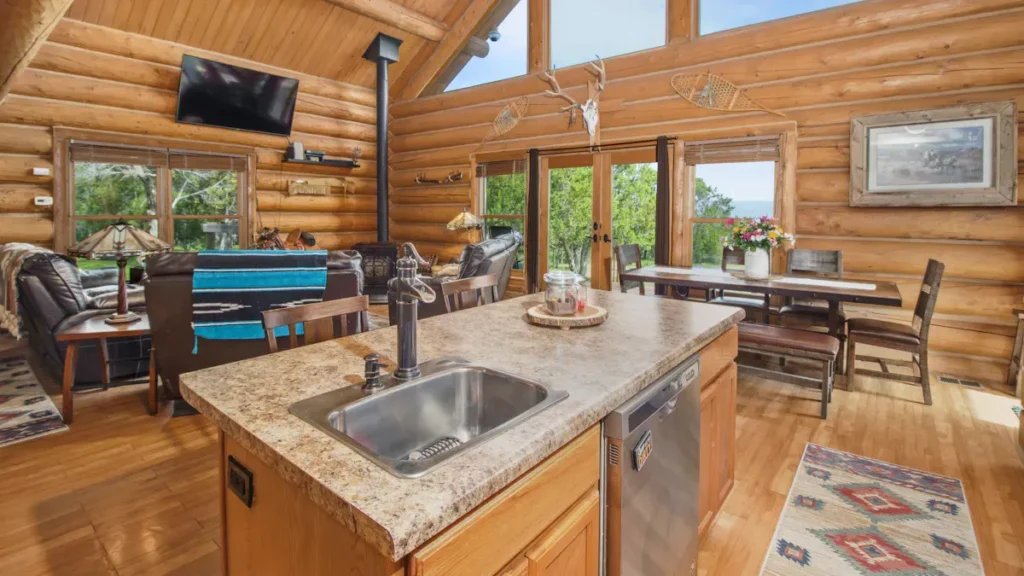
Knotty Alder Cabinets bring warmth and character to many kitchens. Homeowners often notice the wood’s rich color and natural knots, which create a rustic look. Each cabinet shows unique grain patterns and open knots. Some people value the charm and versatility these cabinets offer. Others worry about durability and maintenance. Consider the balance between visual appeal and practical needs before making a choice.
- Natural knots add texture and interest
- Variations in color enhance rustic style
- Maintenance may require extra care
Principales conclusiones
- Knotty Alder Cabinets offer a unique rustic charm with natural knots and grain patterns, making each cabinet one-of-a-kind.
- These cabinets are versatile and can fit various kitchen styles, from farmhouse to contemporary, enhancing your space’s overall appeal.
- Regular maintenance is essential for knotty alder cabinets; gentle cleaning and proper sealing help preserve their beauty and durability.
- Considere customization options like stains and hardware to match your kitchen’s design, allowing for a personalized touch.
- Knotty alder cabinets are cost-effective compared to premium hardwoods, providing a high-end look without breaking the bank.
What Are Knotty Alder Cabinets?
Knotty Alder Cabinets are made from a type of alder wood known for its rustic and natural look. This wood stands out because of its unique knots, grain patterns, and color variations. Many homeowners choose these cabinets to bring warmth and character into their kitchens.
Knotty alder wood has several defining features:
- The wood often shows a light gold or tan color. Some finishes can give it an amber or reddish hue, which looks similar to young cherry wood.
- Unlike cherry, alder with a red finish does not darken as much over time.
- The surface displays irregular knots of different sizes. These knots create a rustic, textured appearance.
- Darker streaks, called mineral streaks, run through the wood. These add to the natural, weathered look.
- Knotty alder accepts stains well. Lighter stains highlight its organic qualities, making it a popular choice for farmhouse or lodge-inspired kitchens.
Tip: Lighter stains can enhance the natural beauty of knotty alder, while darker stains give a more dramatic, bold look.
Knotty alder differs from other types of alder because of its visible knots and grain. These features give each cabinet a one-of-a-kind appearance. The wood is softer than maple or oak, so it may show dents or marks more easily. However, it remains a durable option for kitchen cabinetry when cared for properly.
Here is a quick overview of knotty alder wood characteristics:
Característica | Descripción |
|---|---|
Color | Light gold, tan, or amber with reddish undertones |
Knots | Irregular, various sizes |
Grain | Distinct, adds character |
Mineral Streaks | Darker lines, rustic look |
Hardness | Softer than maple or oak |
Stain Acceptance | Excellent, works with many finishes |
Knotty Alder Cabinets offer a blend of natural beauty and versatility. Their unique patterns and warm tones make them a favorite for those seeking a cozy, inviting kitchen.
Why Homeowners Choose Knotty Alder Cabinets
Natural Rustic Appearance
Knotty Alder Cabinets stand out for their natural, rustic charm. The wood features open knots and mineral streaks, which give each cabinet a unique, organic look. These natural variations create a warm, lived-in feel that many homeowners find appealing. The varied grain adds depth and dimension, making the cabinets a focal point in any kitchen. Unlike smoother woods, knotty alder brings a down-to-earth vibe that fits perfectly with rustic or farmhouse designs.
The combination of knots, streaks, and grain patterns helps Knotty Alder Cabinets deliver a cozy, inviting atmosphere.
Unique Knot Patterns
The knot patterns in knotty alder are never the same from one cabinet to another. Some knots are open and dramatic, while others are smaller and more subtle. This variety adds character and visual interest to the cabinetry. The distinct grain, with its mix of open and closed knots, enhances the overall aesthetic. Many homeowners choose knotty alder because these features make each kitchen truly one of a kind.
Flexible for Many Kitchen Styles
Knotty alder adapts well to different kitchen styles. It works in rustic, farmhouse, and even contemporary spaces. The wood’s versatility allows it to blend with both traditional and modern elements. Homeowners can pair knotty alder with stone countertops, stainless steel appliances, or vintage hardware. This flexibility makes it a popular choice for those who want a custom look.
Característica | Descripción |
|---|---|
Rustic Character | Natural knots and grain variations enhance its rustic appeal. |
Versatility | Fits a range of design styles, from rustic to contemporary. |
Personalizable | Pliable nature allows for various features and finishes. |
Cost-Effective | More affordable than many hardwoods. |
Excellent Workability | Easy to machine, sand, and finish for custom designs. |
Customization Options
Knotty alder is known for its excellent workability. Cabinetmakers can easily machine, sand, and finish this wood, which opens up many design possibilities. Homeowners can choose from a wide range of stains, from light coriander to deep onyx. Custom finishes, such as weathered effects or personalized paint colors, are also available. Hardware options like brass pulls or stainless steel accents can further enhance the rustic or modern appeal of the cabinets.
Tip: Customizing the finish and hardware lets you match Knotty Alder Cabinets to your unique kitchen style.
How Much Do Knotty Alder Cabinets Cost?
The cost of new kitchen cabinets can be a big part of your remodeling budget. Knotty Alder Cabinets are known for their rustic look, but price is also an important factor. The cost depends on several things, such as cabinet size, style, finish, and whether you choose custom or stock options.
Most homeowners pay between $150 and $400 per linear foot for knotty alder cabinets. This range covers both basic and more detailed designs. Custom cabinets with special finishes or unique features can cost more. Ready-to-assemble (RTA) options are usually less expensive, but may not offer as many choices.
When comparing wood types, rustic alder sits in the middle to upper price range. Here is how it compares to other popular cabinet woods:
Rustic alder is priced close to cherry, which is often seen as a premium wood.
Maple and hickory usually cost less than rustic alder.
Walnut and white oak are more expensive than rustic alder.
Tip: Ask for quotes from several suppliers. Prices can change based on location, cabinet maker, and the quality of the wood.
Other factors can affect the final price. The type of door style, hardware, and finish all play a role. Simple shaker doors cost less than raised panel or detailed designs. Stains and glazes can add to the price, especially if you want a custom look.
Here is a quick table to help you compare average costs:
Tipo de madera | Average Cost per Linear Foot |
|---|---|
Arce | $100 – $300 |
Hickory | $120 – $350 |
Rustic Alder | $150 – $400 |
Cherry | $160 – $420 |
Walnut | $200 – $500 |
Roble blanco | $180 – $480 |
Knotty Alder Cabinets offer a balance between style and cost. They give your kitchen a unique look without reaching the highest price point.
Pros and Cons of Knotty Alder Cabinets
Choosing the right kitchen cabinets means weighing both the benefits and drawbacks. Knotty Alder Cabinets offer a unique look, but they also come with some challenges. Here is a clear overview to help you decide if this wood fits your needs.
Pros
Rustic Beauty
The natural knots and grain patterns give each cabinet a one-of-a-kind appearance. This rustic style adds warmth and character to any kitchen.Versatility
Knotty alder works well with many cabinet styles and finishes. It can look traditional or modern, depending on your design choices.Easy to Work With
Cabinetmakers like knotty alder because it is easy to cut, sand, and finish. This makes it a good choice for custom designs.Cost-Effective
Knotty alder usually costs less than premium hardwoods like walnut or cherry. It gives a high-end look without the highest price tag.
Note: Regular care and proper sealing help these cabinets last for many years.
Cons
Softness
Knotty alder is softer than maple or oak. It can scratch or dent more easily, especially in busy kitchens.Finishing Requirements
This wood needs careful finishing and sealing. The process can be more costly and time-consuming than with other woods.Moisture Sensitivity
Changes in humidity can affect the wood. Stable indoor conditions are best to prevent warping or cracking.Not Always Recommended for Kitchens
Some homeowners find that the extra care and finishing needs make knotty alder less ideal for kitchen use.Visible Imperfections
The knots and mineral streaks that give the wood its charm can also be seen as flaws by some people.
Tip: If you want a cabinet that hides wear and tear, consider a harder wood or a smoother finish.
Knotty Alder Cabinets bring a cozy, rustic feel to your kitchen. They require regular care and may show marks over time, but many homeowners find the look worth the effort.
Knotty Alder Cabinets Design Ideas
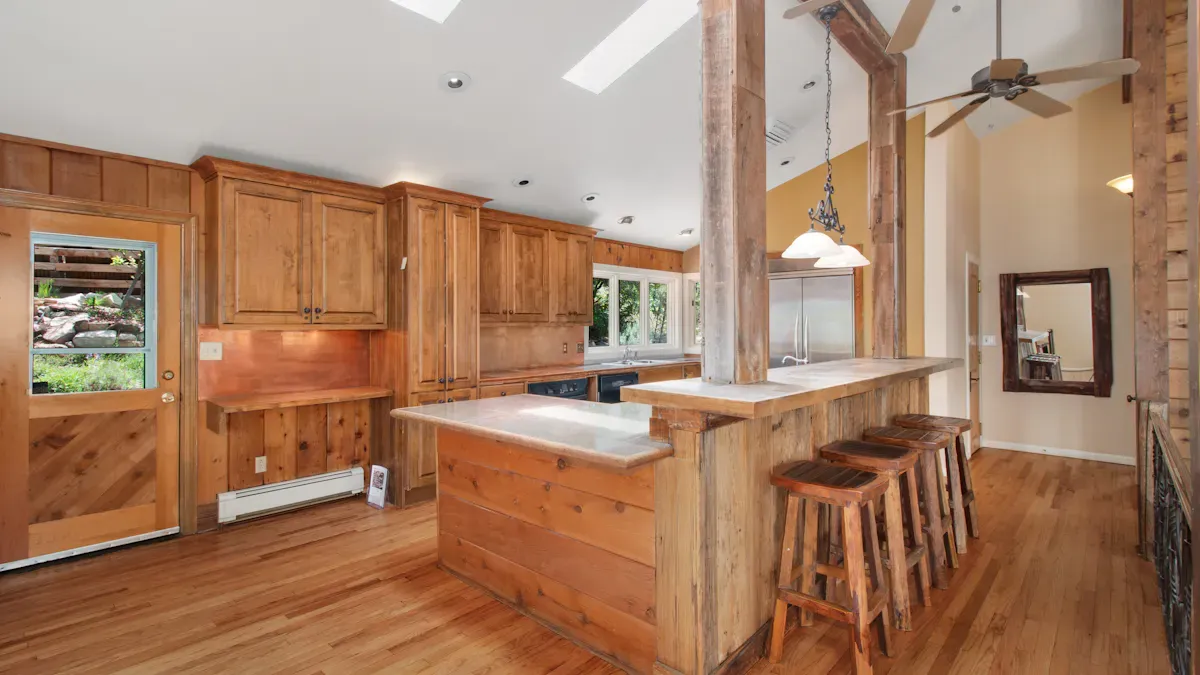
Two-Tone Cabinet Designs
Two-tone kitchens have become a popular trend for homeowners who want visual interest and contrast. This approach uses two different colors or finishes for upper and lower cabinets, or for the main cabinets and the island. Knotty alder works well in these designs because its natural grain and knots add depth to any color combination.
Pair knotty alder base cabinets with painted white or gray uppers for a balanced look.
Use dark-stained knotty alder on the island and lighter finishes on the perimeter cabinets.
Combine knotty alder with navy blue or sage green for a modern farmhouse style.
Mix natural knotty alder with black hardware and accents for a bold, contemporary effect.
Tip: Two-tone designs help highlight the unique character of knotty alder while keeping the kitchen from feeling too rustic or heavy.
Dark Stained Knotty Alder Cabinets
Dark stains can transform knotty alder, giving it a rich and dramatic appearance. These finishes bring out the wood’s natural grain and knots, making them more pronounced. Dark-stained cabinets work well in both traditional and modern kitchens.
Homeowners often choose stains like espresso, walnut, or deep cherry to achieve a bold look. These shades pair nicely with light countertops and backsplashes, creating contrast and balance. Dark finishes also help hide minor imperfections or wear that may develop over time.
Stain Color | Effect on Knotty Alder | Best Paired With |
|---|---|---|
Espresso | Deep, modern, highlights knots | White quartz, stainless steel |
Walnut | Warm, classic, rich grain | Marble, brass hardware |
Deep Cherry | Reddish, elegant, dramatic | Light tile, matte black pulls |
Note: Dark stains can make a kitchen feel smaller, so consider your space and lighting before choosing this option.
Mixing Rustic and Modern Styles
Knotty alder’s rustic charm can blend seamlessly with modern design elements. Many homeowners want a kitchen that feels both cozy and up-to-date. Several strategies help achieve this balance:
Choose natural finishes like Honey Spice to highlight the wood’s grain.
Mix rustic features, such as exposed beams or reclaimed wood shelves, with sleek countertops or minimalist hardware.
Add nature-inspired colors, like soft blues or greens, to create a calming atmosphere.
Focus on functionality by including pull-out shelves, built-in tables, or hidden storage.
Maximize natural light with large windows or glass doors to keep the space bright and open.
Combining rustic and modern elements creates a kitchen that feels inviting and practical.
Using Knotty Alder Cabinets in Small Kitchens
Small kitchens can benefit from the warmth and character of knotty alder. The right design choices help prevent the space from feeling crowded or dark.
Select lighter wood tones to reflect light and make the room feel larger.
Use glass cabinet doors or open shelving to add depth and openness.
Balance open shelves with closed cabinets to keep the kitchen organized and visually appealing.
Lighter finishes and thoughtful storage solutions make knotty alder a smart choice for compact kitchens.
Knotty Alder Cabinets offer flexibility for many design styles and kitchen sizes. Whether you prefer a rustic, modern, or blended look, these cabinets can help you achieve your vision.
Knotty Alder Cabinets vs Other Wood Types
Maple Cabinets vs Knotty Alder
Knotty alder and maple are both popular choices for kitchen cabinetry. Maple has a smooth, even grain and a light color. It works well in modern or traditional kitchens. Knotty alder features a straight grain with a soft texture. Its light honey to reddish-brown color and visible knots give it a rustic look. Maple cabinets often have a clean, uniform appearance. Knotty alder brings more character and warmth to a space.
Common cabinet styles for knotty alder include shaker, raised panel, and rustic slab doors. These styles highlight the wood’s natural knots and grain. Maple is often used for painted finishes, while knotty alder looks best with clear or light stains that show off its unique features.
Característica | Knotty Alder | Arce |
|---|---|---|
Grain | Straight, rustic | Smooth, subtle |
Color | Honey to reddish-brown | Creamy white to tan |
Best Finish | Clear, light stain | Paint, light stain |
Style Examples | Shaker, rustic slab | Shaker, raised panel |
Knotty Alder vs Hickory Cabinets
Hickory cabinets stand out for their bold grain and color variation. Knotty alder has a more consistent look, with a straight grain and scattered knots. Hickory is harder and resists dents better than knotty alder. Maintenance for hickory is less frequent, but refinishing can be more expensive due to its grain. Knotty alder may need more touch-ups in busy kitchens, but standard refinishing is usually enough.
Hickory: Bold grain, high durability, less frequent maintenance, higher refinishing cost.
Knotty alder: Smooth texture, rustic knots, easier refinishing, more frequent touch-ups.
Both woods work well for shaker and raised panel doors. Knotty alder is often chosen for farmhouse or rustic styles, while hickory suits traditional and country kitchens.
Knotty Alder vs Cedar Cabinets
Cedar is known for its natural oils that protect against moisture and insects. This makes cedar a top choice for outdoor or damp environments. Knotty alder does not have the same resistance to decay or pests. Cedar’s protective oils help it last longer in tough conditions. Knotty alder is better for indoor kitchens where moisture is controlled.
Cedar cabinets often have a reddish hue and a strong scent. Knotty alder offers a warmer, lighter base tone with visible knots. For indoor kitchens, Knotty Alder Cabinets provide a cozy, rustic feel with many style options.
Tip: Choose knotty alder for indoor warmth and character. Pick cedar for outdoor durability and insect resistance.
Practical Tips for Buying Knotty Alder Cabinets
Choose the Right Knot Pattern
Knotty alder wood features both open and closed knots. Open knots create a bold rustic look, while closed knots offer a more refined style. Many homeowners prefer a balance between the two. Wormholes and small cracks add extra character, giving the cabinets a weathered appearance. When selecting your cabinets, look for a mix of knot types to achieve a visually interesting kitchen.
Pick the Best Stain and Finish
The right stain and finish can highlight the natural beauty of knotty alder. Popular choices include honey for a cozy farmhouse feel, espresso for a lodge-inspired look, and driftwood for a rustic-modern vibe. Using a pre-stain conditioner helps prevent blotching. Matte or satin finishes work well to enhance the wood’s depth. Protective topcoats add durability, especially in high-traffic kitchens.
RTA vs Custom Cabinets
Ready-to-assemble (RTA) cabinets offer convenience and lower costs. Custom cabinets provide more options for size, finish, and hardware. RTA cabinets may have fewer choices for knot patterns and finishes. Custom cabinets allow you to select specific features, such as inset doors with proper gaps for wood movement.
Get a 3D Kitchen Layout First
A 3D kitchen layout helps you visualize how Knotty Alder Cabinets will look in your space. This tool allows you to see different knot patterns, stains, and hardware combinations before making a final decision. It also helps with planning storage and workflow.
Buying Checklist Before Ordering
Review cabinet box materials; solid plywood is best.
Check for dovetail joinery and durable finishes.
Confirm the balance of open and closed knots.
Choose hardware that matches your style, such as iron pulls for rustic or brass for modern.
Ask about protective topcoats.
How to Identify High-Quality Cabinets
High-quality cabinets display dramatic grain and natural imperfections like pin holes, wormholes, and knots up to ¾-inch wide. Look for solid construction, smooth finishes, and sturdy joinery. Avoid particleboard boxes and weak hardware.
Questions to Ask Cabinet Suppliers
What materials are used for the cabinet boxes?
Are the doors and drawers solid alder?
What finish options are available?
How are the knots and imperfections treated?
What is the warranty on the cabinets?
Tip: Use mild soap and water for cleaning. Avoid harsh chemicals to protect the finish.
How to Maintain Knotty Alder Cabinets?
Proper care keeps knotty alder cabinets looking beautiful for years. These cabinets have a rustic charm, but their softer wood needs gentle treatment. Regular maintenance helps prevent damage and keeps finishes fresh.
Daily and Weekly Care
Wipe cabinet surfaces with a soft, damp cloth. Use mild soap if needed.
Dry cabinets right away to avoid water spots.
Dust often to keep dirt from building up in the grain and knots.
Tip: Avoid harsh cleaners or abrasive pads. These can scratch the finish and dull the wood’s natural shine.
Dealing with Spills and Stains
Clean spills quickly to prevent stains or water damage.
For sticky spots, use a mix of warm water and gentle dish soap.
Dry the area completely after cleaning.
Protecting the Finish
Apply furniture polish or a wood conditioner every few months. This keeps rustic alder and clear alder cabinets from drying out.
Check for scratches or dents. Touch up small marks with a matching stain pen.
Keep cabinets away from direct sunlight to prevent fading.
Humidity and Temperature Control
Use a dehumidifier in humid climates. Stable moisture levels help prevent warping or cracking.
Avoid placing cabinets near heat sources like ovens or radiators.
Maintenance Task | How Often | Why It Matters |
|---|---|---|
Dusting | Weekly | Prevents buildup in knots and grain |
Cleaning Spills | As needed | Stops stains and water damage |
Polishing/Conditioning | Every 3 months | Maintains finish and wood moisture |
Inspecting for Damage | Monthly | Catches scratches or dents early |
Regular care protects all cabinet styles, whether you choose knotty alder, clear alder, or other wood types. Good maintenance keeps your kitchen looking its best and extends the life of your cabinets.
Conclusion: Are Knotty Alder Cabinets Worth It?
Knotty alder cabinets offer a blend of rustic charm and practical features. Many homeowners choose this wood for its unique knots, warm tones, and natural grain. The variety in cabinet styles and finishes allows for customization. Clear alder and rustic alder both provide options for different looks. Some kitchens benefit from the cozy atmosphere that knotty alder creates.
Alder cabinets work well in many homes. The choice depends on your style preferences and practical needs. If you value a rustic look and do not mind regular care, knotty alder is a strong option. Clear alder suits those who want fewer knots and a smoother finish. Custom cabinet styles and finishes let you match your kitchen’s design.
PREGUNTAS FRECUENTES
What makes knotty alder different from clear alder?
Knotty alder shows visible knots and grain patterns. Clear alder has a smoother surface with fewer imperfections. Many homeowners choose knotty alder for a rustic look. Clear alder fits modern or traditional cabinet styles.
Are knotty alder cabinets hard to maintain?
Knotty alder cabinets need regular dusting and gentle cleaning. Use mild soap and water. Avoid harsh chemicals. Proper finishes and sealing help protect the wood and keep rustic alder cabinets looking their best.
Can I paint over knotty alder cabinets?
Yes, you can paint knotty alder cabinets. Use a primer to cover knots and grain. Choose paint finishes that match your kitchen style. Painted cabinets offer a fresh look but may hide the wood’s natural character.
How do knotty alder cabinets compare to other wood types?
Knotty alder is softer than maple or hickory. It costs less than walnut. Many wood comparisons show knotty alder offers a unique rustic style. Other woods, like cedar, provide more moisture resistance.