
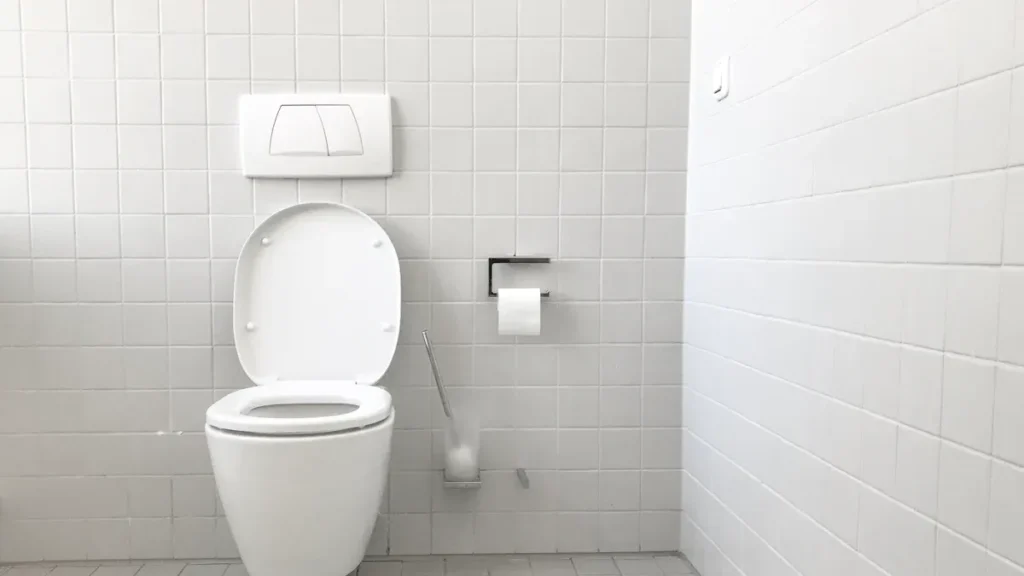
Choosing the right WC height is one of those details that quietly shapes everyday comfort—but many homeowners overlook it until it’s too late. In modern homes, where design, ergonomics, and accessibility all matter, the standard height of a WC plays a crucial role in usability for both adults and children. This guide breaks down everything you need to know about standard WC height. How it compares to comfort-height options, and how to choose the best solution for a modern living space.
Principales conclusiones
Standard height toilets measure 14 to 15 inches, suitable for children and average adults. Consider this height for family bathrooms.
Comfort height toilets, ranging from 17 to 19 inches, are ideal for seniors and individuals with mobility issues. They reduce strain and improve safety.
Always measure from the finished floor to the top of the toilet seat for accurate height. This helps you choose the right toilet for your needs.
Consider the needs of all users in your household. Mixing toilet heights in different bathrooms can enhance comfort and accessibility for everyone.
Test toilet heights in-store if possible. Sit on display models to ensure comfort and proper fit before making a purchase.
What Is the Standard Height of WC?
When you choose a toilet for your home, you often see the term “standard height of wc.” This measurement refers to the distance from the floor to the top of the toilet seat. Most standard height toilets measure between 14 and 15 inches. You find this height in many homes because it fits the average adult and works well for children.
Toilet heights can vary depending on where you live. In the United States, you often see standard height toilets listed at 17 to 19 inches. In Europe, the standard height changes based on local building codes and regulations.
Height standards compare in different regions:
Region | Standard WC Height (inches) |
|---|---|
US | 17-19 |
Europe | Varies based on regulations |
You should always check the toilet height before buying. Some manufacturers use the term “standard height” for toilets that are actually a bit taller, especially in the US. This can cause confusion if you expect a lower seat. You want to make sure the toilet fits your needs and matches the comfort level of everyone in your household.
Toilet heights matter for daily comfort. A lower seat means you need to bend your knees more when sitting down or standing up. This works well for children and many adults. Taller users or people with mobility issues may find standard height toilets less comfortable. You should measure from the floor to the top of the seat to confirm the actual height.
Here are a few tips to help you understand toilet heights:
- Measure from the finished floor to the top of the seat, not the rim.
- Compare the measurement to your current toilet for reference.
- Consider who will use the toilet most often.
Tip: Always try sitting on a display model in a showroom. This helps you feel the difference between standard height and other toilet heights.
You see many options in the market, including chair-height and comfort height toilets. Each type offers a different experience. Standard height toilets remain popular because they suit a wide range of users and fit most bathroom designs.
By understanding the standard height of wc, you make a better choice for your home. You ensure comfort, safety, and satisfaction for everyone who uses the bathroom.
Who is the Standard WC Height Best For?
You might wonder if the standard height of wc is right for your home. The answer depends on who will use the bathroom most often. Standard height toilets measure about 14 to 15 inches from the floor to the seat. Chair-height toilets, also called comfort height toilets, measure between 17 and 19 inches. Some toilets fall in between, with comfort height models around 16.5 inches. These different heights of toilets can make a big difference in daily comfort and safety.
Let’s look at how each type fits different users:
User Group | Standard Height Toilets (14-15″) | Chair-Height Toilets (17-19″) | Comfort Height Toilets (16.5″) |
|---|---|---|---|
Children | Easy to reach and use | Too tall for most | May be too high |
Average Adults | Familiar and comfortable | Easier for tall adults | Good for most adults |
Seniors | May require deep knee bends | Easier to sit and stand | Reduces strain |
Individuals with Mobility Issues | Can be challenging | Best for transfers and safety | Easier to use |
You see that standard height toilets work well for children and most adults. Kids can sit down and stand up without help. If you have young children, this is often the best height for a toilet. Occupational therapists recommend standard height for children ages 5 to 12, since it matches their leg length and helps them use the bathroom independently.
Comfort height toilets, which range from 17 to 19 inches high, are about as tall as a standard dining room chair, making them easier to maneuver for individuals with mobility challenges. The extra height can significantly aid those who have difficulty getting up and down, such as older adults or those recovering from surgery.
If you care for seniors or individuals with mobility issues, you may want to consider chair-height toilets. These higher models reduce the need for deep knee bends. They make it easier to sit and stand, which lowers the risk of falls. Medical research shows that higher toilet height helps older adults, people with disabilities, and those with back pain. Pregnant and postpartum women also benefit from less abdominal pressure when using a taller toilet.
Ergonomic benefits for each group:
User Group | Ergonomic Benefits |
|---|---|
Older Adults | Higher toilet height reduces the need for deep knee bends, making it easier to sit and stand, thus lowering fall risks. |
People with Disabilities | ADA-height toilets facilitate smoother transfers from wheelchairs, reducing strain and risk of slipping. |
Pregnant and Postpartum Women | Higher toilets reduce abdominal pressure during use, easing the strain on recovering bodies. |
People with Back Pain | Sitting at a higher level helps maintain spinal alignment, alleviating discomfort associated with low toilets. |
You should also think about the needs of your household. If you have both children and seniors, you might need to balance different heights of toilets in your home. Some families install a standard height toilet in one bathroom and a chair-height model in another. This gives everyone the best fit.
Occupational therapists suggest the following heights for each age group:
User Group | Recommended Height (cm) | Important Considerations |
|---|---|---|
Toddlers (under 5) | 28-33 | Potty chairs or child-sized toilets are often more suitable. Step stools can help with slightly taller toilets. |
Children (5-12) | 33-38 | Adjust as your child grows; you might need to replace the toilet eventually. |
Adults (Average Height) | 40-43 | This is the typical “standard height” toilet. |
Seniors/Disabled | 45-50 (Comfort Height) | Makes getting on and off easier and safer; reduces fall risk. |
You should measure your current toilet height and compare it to these recommendations. If you or someone in your home has trouble sitting or standing, chair-height toilets or comfort height toilets may be a better choice. For most families with young children or average-height adults, standard height toilets remain a practical and comfortable option.
When you choose the best height for a toilet, you improve safety and comfort for everyone. Always consider the needs of each user and the different heights of toilets available before making your final decision.
Pros and Cons of Standard Height Toilets
When you choose a toilet for your home, you want to know the advantages and disadvantages of each option. Standard height toilets remain a popular choice, but they do not suit everyone. Understanding the pros and cons helps you decide if the standard height of wc is the best fit for your family.
Pros of Standard Height Toilets:
You often find standard height toilets more comfortable for children and average-height adults. The lower seat makes it easier for kids to use the toilet without help.
Many people prefer the familiar feel of standard height. If you grew up with this style, you may find it easier to adjust to daily routines.
Standard height toilets work well in homes where you want to match existing fixtures or maintain a classic bathroom design.
You can find a wide range of toilet types and designs at this height, including custom-height toilets for special needs.
Cons of Standard Height Toilets:
Taller individuals may find standard height less comfortable. The low seat can make sitting and standing more difficult, especially if you have long legs.
Older adults and people with mobility issues often struggle with the ease of sitting and standing. The lower seat height can increase the risk of falls or require extra support.
Many user reviews mention that standard height toilets create accessibility challenges. You may need to add raised toilet seats or grab bars to improve safety.
As you age, the standard height can become less functional. You might notice discomfort or strain if you plan to age in place.
Note: If you want the best height for a toilet, always consider who will use it most. Think about future needs as well as current comfort.
Choosing between standard height and other toilet types depends on your household. If you have a mix of ages and abilities, you may want to install different heights in separate bathrooms. Always measure your space and compare toilet height options before making a final decision.
What Is a Comfort Height Toilet?
You see the term comfort height often when shopping for new toilets. Comfort height toilets have a seat height between 17 and 19 inches from the floor. This height matches a standard chair, so you do not need to bend your knees as much. Many people find comfort height easier to use, especially if you are tall, older, or have mobility challenges.
When you want to choose the right height toilet, you should measure from the finished floor to the top of the seat. Bring a tape measure to the store or check the product details online. Compare the comfort height to your current toilet. Sit on a display model if you can. This helps you feel the difference and decide if comfort height fits your needs.
You should also think about your bathroom design. Comfort height toilets look modern and fit well with updated spaces. If you remodel your bathroom, you may want to match the comfort height with other fixtures. Make sure the toilet does not look too tall or out of place. Always check the space around the toilet so you have enough room to move.
Common Mistakes when installing toilet
Common Installation Errors | Prevention Strategies |
|---|---|
Incorrect Wax Ring Installation | Ensure proper placement and alignment of the wax ring; choose the correct thickness for the installation. |
Misalignment of the Toilet | Use a level to check alignment; secure the toilet properly without overtightening bolts. |
Failing to Test the Installation | Check for leaks after installation; flush the toilet multiple times to ensure proper operation. |
Tip: Always test your comfort height toilet after installation. Flush several times and check for leaks. This step saves you time and money later.
You want to choose the right height toilet for your family. Comfort height works well for many adults and seniors. If you have children, you may want to keep a standard height toilet in another bathroom. Think about who will use the toilet most often. This helps you choose the right height toilet for every member of your household.
Benefits and Drawbacks of Comfort Height Toilets
When you consider comfort height toilets for your home, you want to weigh both the advantages and disadvantages. These toilets offer a higher seat, which can change your bathroom experience in several ways.
Benefits:
You find it easier to sit down and stand up because the seat height matches a standard chair. This reduces strain on your knees and hips.
Many healthcare studies show that comfort height toilets help seniors and people with disabilities. The higher seat makes transitions safer and less painful. You lower your risk of falls and joint pain.
You enjoy better posture and less discomfort during use. The design supports your back and legs, making each visit more comfortable.
These toilets often meet ADA standards, which means they improve accessibility for everyone in your home.
You can choose from many styles and finishes. This makes it easy to match your bathroom design.
Homebuyers look for accessible features. Installing comfort height toilets can increase your home’s value.
Tip: If you plan to age in place or have family members with mobility challenges, comfort height toilets offer a practical solution.
Drawbacks:
Children may find the higher seat difficult to use. They might need a step stool for safety and comfort.
If you are shorter than average, you may notice your feet do not touch the floor. This can feel awkward or unstable.
Some users report that the higher seat makes it harder to achieve a natural position for bowel movements.
The cost of comfort height toilets can be higher than standard models. You may also need to adjust other bathroom fixtures for a balanced look.
You should think about who will use the bathroom most often. Consider the needs of every family member before making your final choice.
Standard WC Height vs Comfort Height
When you compare standard WC height and comfort height toilets, you notice important differences in how they affect your daily life. Standard WC height usually measures 14 to 15 inches from the floor to the seat. Comfort height toilets measure between 17 and 19 inches, which matches the height of a typical chair.
You might wonder how these differences impact comfort, accessibility, and family needs. The table below highlights key features based on recent user surveys:
Característica | Comfort Height Toilets | Standard Height Toilets |
|---|---|---|
Accessibility | Easier to sit and stand, reducing strain on knees/back. | May pose difficulties for taller individuals and those with mobility issues. |
Comfort | Ergonomically designed for improved user-friendliness. | Familiar seating position but may be less comfortable for taller users. |
ADA Compliance | Meets accessibility requirements of the ADA. | Not specifically designed for accessibility. |
Adjustment Period | May require time to adapt for some users. | No adjustment needed as users are accustomed to the height. |
Suitability for Families | May not be suitable for small children or petite adults. | Widely suitable for all user groups. |
Standard WC height toilets offer a familiar experience. Most people do not need time to adjust. These toilets fit a wide range of users, including children and average-height adults. If you want a toilet that works for everyone in your home, standard height may be the best choice.
Tip: If you have both young children and older adults in your household, consider installing different toilet heights in separate bathrooms. This approach ensures everyone feels comfortable and safe.
Factors to Consider When Choosing WC Height
User Height and Age
You should always think about who will use the toilet most often. The best height for a toilet depends on the user’s age and size. Taller toilets can make it hard for children to use the bathroom safely. If you have kids at home, you may want to choose a lower fixture. For adults and seniors, a higher seat can make sitting and standing easier.
The height of bathroom fixtures should match the user’s age and size.
Taller fixtures may cause problems for children.
Always consider user stature before you install a new toilet.
Child fixture height should range from 11 to 18 inches based on age group.
This measurement follows ICC A117.1 Section 604.9.
If you live in a multi-generational home, you might need to balance different needs. Chair height toilets offer ergonomic support for users of varying heights. The table below shows how this type can help:
Bathroom Design
Bathroom layout and space also affect your choice. You need enough room for comfort and safety. Modern homes often follow these measurements:
Dimension Type | Measurement |
|---|---|
Minimum Width | 30 inches (15 inches from centerline to each side) |
Recommended Width | 36 inches or more |
Front Clearance | 21 inches minimum; 24–30 inches recommended |
Placement from Wall | 12 inches from wall to toilet flange (standard rough-in) |
You should measure your bathroom before you buy a new toilet. This step helps you avoid problems with installation and ensures the toilet fits well with other fixtures. Good bathroom design supports accessibility features and makes daily routines easier.
Accessibility Needs
If you or a family member has mobility challenges, you need to look for accessibility features. ADA-compliant toilets meet strict standards for height and space. These toilets help people with disabilities use the bathroom safely and independently.
Requirement | Specification |
|---|---|
Toilet Height | 17 to 19 inches |
Clear Space for Wheelchair | At least 60 inches |
Flush Handle Height | No higher than 44 inches |
Grab Bars Installation | Within easy reach near the toilet |
ADA-compliant toilets provide the right seat height and enough space for wheelchairs. You should also check for grab bars and easy-to-reach flush handles. These accessibility features make your bathroom safer for everyone.
Tip: Always consider future needs. Even if you do not need accessibility features now, installing them can help you age in place and increase your home’s value.
How to Measure WC Height Correctly
Measuring WC height accurately helps you choose the right toilet for your home. You want to make sure the toilet fits your needs, whether you prefer standard toilet height, comfort height, or chair height. Getting the correct measurement also helps you compare toilet dimensions and avoid mistakes during installation.
To measure WC height, follow these simple steps:
Place the measuring tool on the finished floor next to the toilet.
Measure straight up to the top of the toilet seat, not the rim.
Record the measurement in inches or centimeters.
Compare this number to the standard toilet height (14–15 inches), comfort height (17–19 inches), or any other model you consider.
Tip: Always measure with the seat attached. Some toilets have thicker seats, which can change the final height.
Measuring WC height correctly gives you confidence when selecting the best toilet for your home. Accurate measurements help you avoid costly mistakes and ensure comfort for every user.
Common Toilet Height Mistakes to Avoid
Choosing the right WC height for your home can feel overwhelming. Many homeowners make simple mistakes that lead to discomfort or even safety issues. You can avoid these problems by understanding what to look for and how to measure toilet dimensions correctly.
One common mistake involves ignoring the needs of everyone in your household. You might focus only on your own comfort and forget that children, seniors, or guests may use the bathroom too. Always consider the best toilet height for all users. Measure your current toilet and compare it to standard toilet height, comfort height, and chair height models. This step helps you find the right fit for your family.
Another frequent error is selecting a toilet that is too tall or too low. If your feet do not rest flat on the floor, you may struggle to sit or stand. A toilet that is too high can compress your knees, while a seat that is too low can make standing difficult. Both situations can cause long-term discomfort or even injury. You should always test the seat height before making a final decision.
Tip: Sit on a display model in the store. Make sure your feet touch the ground and your knees feel relaxed.
Many people also skip stability checks. A wobbly toilet or stool creates a safety hazard. Always check the base and grip before installation. Regular cleaning is important too. Bathroom bacteria thrive on damp surfaces, so keep your toilet and any accessories clean to protect your health.
Here are some mistakes to watch for:
Going too tall too fast—if you feel compressed or off-balance, choose a lower height.
Ignoring toilet height differences—what works for one model may not work for another.
Skipping stability checks—test the base before each use.
Over-straining—let your posture do the work, not force.
Neglecting regular cleaning—protect hygiene and toilet longevity.
You can avoid these mistakes by measuring carefully, understanding the differences between standard vs chair height, and considering all users. This approach ensures your bathroom remains comfortable, safe, and accessible for everyone.
Choosing the right toilet height affects comfort and safety for everyone in your home. The table below highlights key differences:
Type of Toilet | Height Range (inches) | Best For | Accessibility Features |
|---|---|---|---|
Standard Height | 14 to 15 | Families with children | Easy for kids to use |
Chair Height | 17 to 19 | Taller adults, mobility issues | Easier sitting and standing |
Comfort Height | 17 to 19 | Seniors, post-surgery recovery | ADA-compliant, supports independence |
You should measure your space and consider user needs before buying. Consulting a plumbing professional helps you match style, comfort, and accessibility. The standard height of wc remains a reliable choice for many families.
PREGUNTAS FRECUENTES
What is the difference between standard toilet height and comfort height?
Standard toilet height measures 14 to 15 inches from the floor to the seat. Comfort height toilets range from 17 to 19 inches. You will notice comfort height feels like sitting on a chair, which helps if you have mobility issues.
How do I measure WC height correctly?
You should measure from the finished floor to the top of the toilet seat. Always include the seat in your measurement. This method gives you the most accurate toilet dimensions for comparing standard vs chair height or comfort height models.
Is comfort height better for seniors?
Yes, comfort height toilets make sitting and standing easier for seniors. The higher seat reduces knee and back strain. You may want to choose this option if you want better accessibility and safety in your bathroom.
Can children use comfort height toilets easily?
Children often find comfort height toilets too tall. Their feet may not touch the floor, which can make them feel unstable. You may want to use standard toilet height or add a step stool for younger users.