
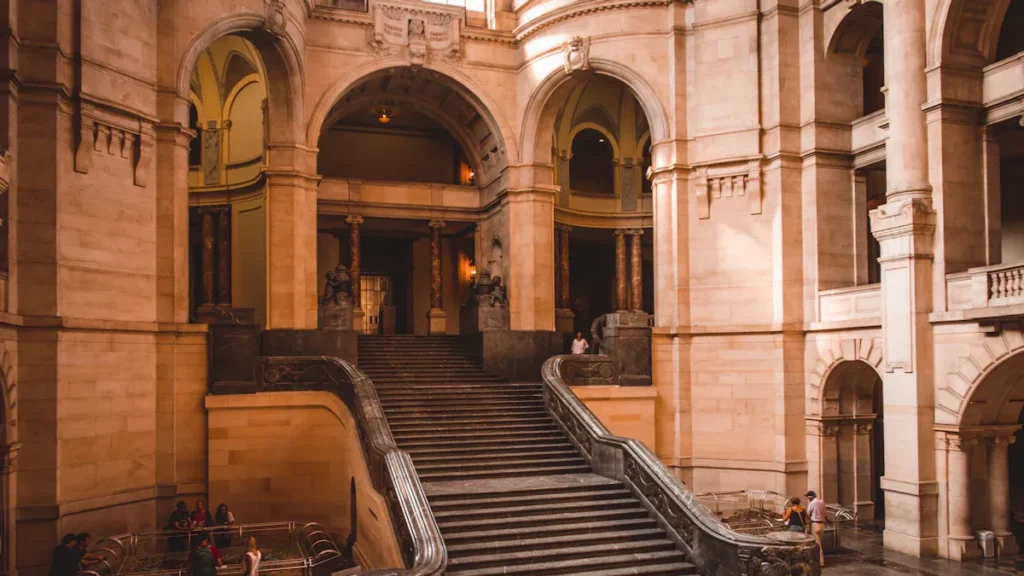
The question “when were stairs invented” leads to fascinating discoveries in ancient settlements. Archaeologists found that the people of Çatalhöyük, living between 6000-5000 BCE, used creative vertical access methods.
- Houses had entry points on rooftops.
- Ladders provided a way to reach indoor spaces.
- Shared walls shaped the design of living areas.
The history of stairs began with practical solutions for movement and safety. The stair allowed people to navigate complex environments and connect different levels of their homes.
Principales conclusiones
- Stairs originated in ancient settlements like Çatalhöyük around 6000-5000 BCE, providing essential access between different levels of homes.
- The Pyramid of Djoser, built around 2500 BCE, features the earliest known stone stairs, marking a significant advancement in architectural design.
- Stair design evolved through history, with ancient civilizations creating various styles, including straight, spiral, and zigzag stairs for both function and beauty.
- Modern staircases prioritize safety and aesthetics, incorporating new materials and designs that enhance both usability and visual appeal.
- Stairs symbolize more than just physical movement; they represent cultural significance, personal growth, and the connection between the earthly and the divine.
When People Start Using Stairs?
Archaeologists have traced the origins of stairs to the earliest settlements. The people of Çatalhöyük, who lived between 6000 and 5000 BCE, built homes with raised entrances. They used simple solutions like ladders and flat rocks to move between levels. These methods marked the beginning of vertical movement in architecture.
Early communities faced practical challenges. They needed to protect themselves from floods, wild animals, and intruders. Elevating homes above ground helped solve these problems. In tropical regions, builders raised houses to avoid water damage. The first human structures often used logs or stones as steps, making it easier to reach higher entrances.
The invention of stairs changed daily life. People could access upper floors safely and quickly. This improvement allowed families to expand their living spaces and store food away from pests.
Ancient civilizations advanced stair design. Egypt and Mesopotamia introduced straight flights of stairs, which provided reliable access to upper levels. Over time, builders experimented with new shapes and layouts. They created spiral and zigzag staircases to save space and add beauty to buildings.
The table below shows how different societies used stairs to meet their needs:
| Period | Purpose of Stairs |
|---|---|
| Early Settlements | Raised homes above ground to prevent flooding |
| Mesopotamia & Egypt | Built straight stairs for access to upper floors |
| Classical Antiquity | Developed spiral and zigzag stairs for space and style |
| Renaissance | Constructed larger, more elaborate staircases |
When were stairs invented? The answer lies in the creative solutions of ancient builders. They responded to environmental challenges and social needs. The stair became a symbol of progress, connecting people to new possibilities. The history of stairs began with the first human structures and continues to shape architecture today.
When Were the First Steps Invented?
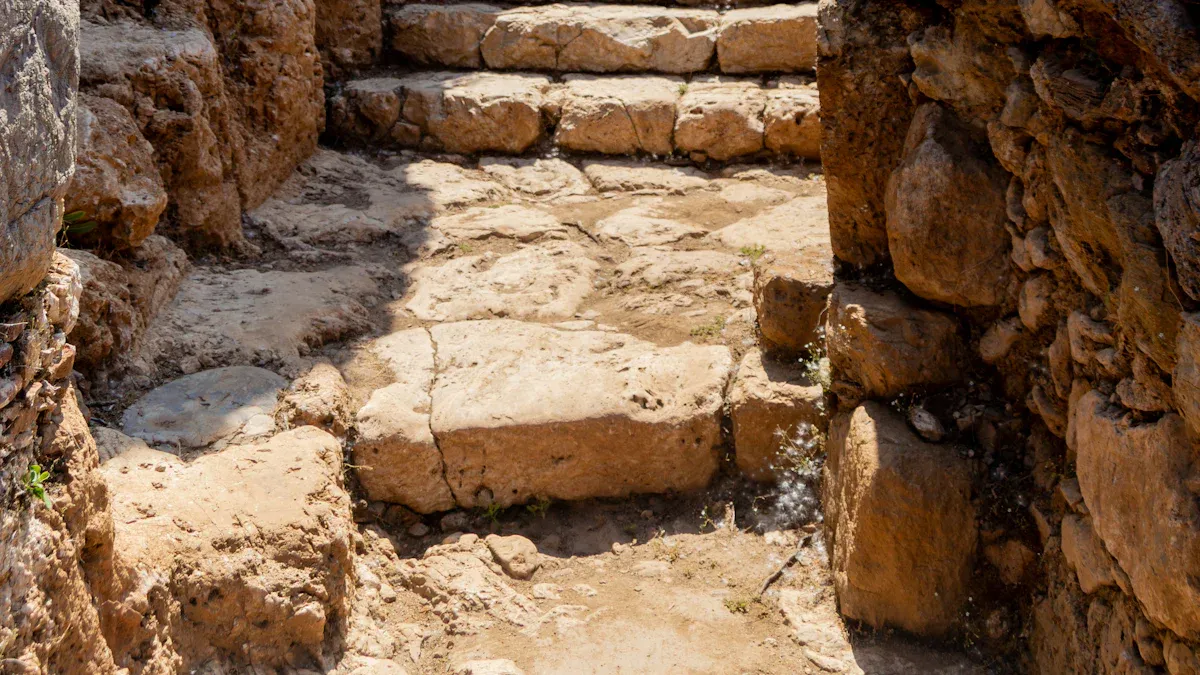
The story of the first staircases begins in ancient Egypt. Builders created the earliest known stone stairs around 2500 BCE. The Pyramid of Djoser stands as the oldest example. This monument changed the way people thought about architecture and movement. The stone stairs in the pyramid served both practical and spiritual purposes. They allowed workers to reach different levels during construction. They also symbolized the pharaoh’s journey to the afterlife.
Here is a closer look at the Pyramid of Djoser and its impact:
| Característica | Descripción |
|---|---|
| Oldest Example | The Pyramid of Djoser is the oldest known example of stone stairs in ancient Egypt. |
| Purpose | Served as a monumental structure for the pharaoh’s burial and facilitated the ascent of the soul towards the heavens. |
| Architectural Innovation | It is the first monumental structure made of stone, marking a significant evolution in stone architecture. |
Builders in Egypt set a new standard for staircase design. They used stone instead of mudbrick or wood. This choice made the stairs last for thousands of years. The first staircases in Egypt inspired later cultures to experiment with new forms and materials.
In the first century BCE, a Roman architect named Vitruvius wrote about the rules for building stairs. He described how to make steps safe and comfortable. Vitruvius explained that each stair should have a certain height and depth. His ideas helped shape the way people designed stairs for centuries. Architects across Europe followed his guidelines to create beautiful and practical staircases.
When were stairs invented? The answer lies in the creativity of ancient builders and thinkers. Their work laid the foundation for every staircase seen today.
Stairs Through the Ages
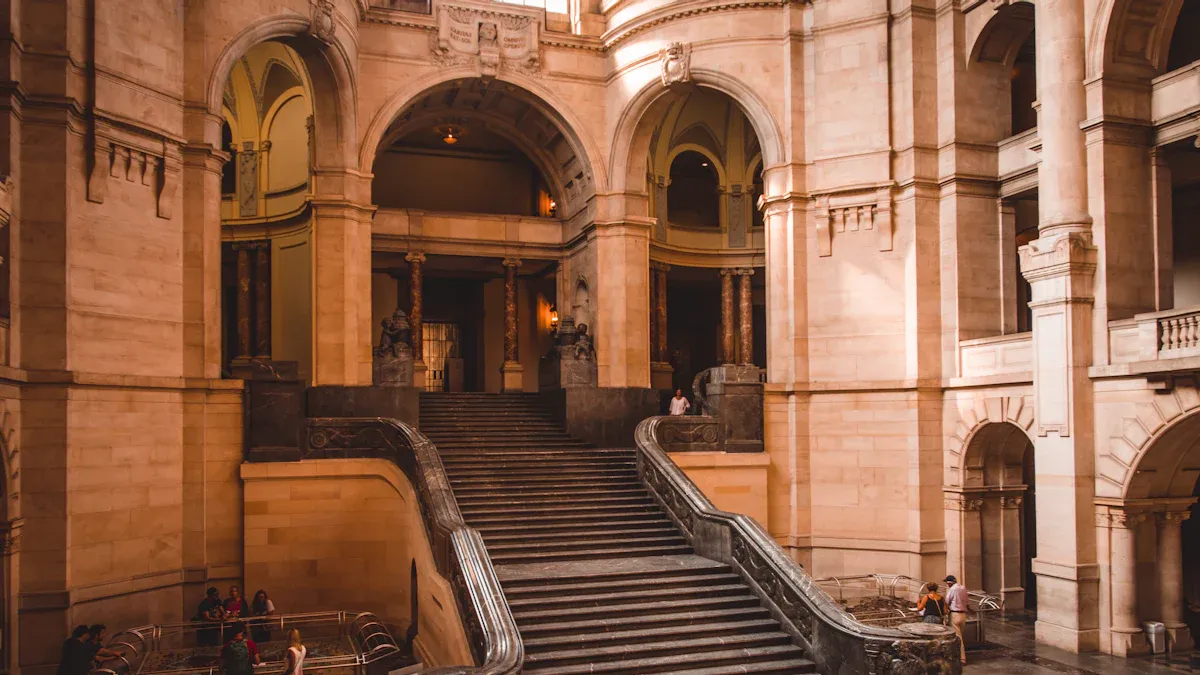
Ancient Beginnings
The history of stairs began in ancient civilizations. Egyptians built some of the earliest staircases around 2500 BCE, using stone, mud, and brick. These structures led to temples and pyramids, showing both practical and spiritual importance. Inca builders shaped staircases from large stones, using local materials and clever techniques to create stable steps in earthquake-prone regions. Ancient Greece introduced elegant curves and symmetry, making the staircase a key part of architecture.
Early staircases often featured helical shapes to save space and included balustrades for safety and beauty.
Medieval and Renaissance Developments
During the medieval period, spiral staircases became popular in castles. Builders designed them for defense and to save space in tall towers. Over time, the focus shifted from military use to status and comfort. By the 15th century, staircases displayed intricate carvings and wider steps, reflecting personal taste and artistic skill. The evolution of staircase designs during this era marked a move toward both function and decoration.
The Renaissance Influence
Renaissance architects transformed the staircase into a work of art. They used mathematics and proportion to create grand, curved, and spiral staircases. The Bramante Staircase in the Vatican Museum stands out with its double helix design, allowing people to ascend and descend at the same time. Architects like Leonardo da Vinci and Giorgio Vasari introduced new forms, making the staircase a symbol of innovation and elegance.
| Característica | Descripción |
|---|---|
| Diseño | Double-helix, one-way traffic |
| Structural Innovation | Granite columns, no central pillar |
| Aesthetic Influence | Balanced form, artistic elevation |
Modern Era Transformations
The 19th and 20th centuries brought new materials like steel and concrete. These advances allowed for stronger, more daring staircase designs in multi-storey buildings. The International Style promoted visible structure, and engineers integrated stairs into the overall design. Modern staircases often feature floating steps, glass railings, and minimalist forms, blending safety with style.
Contemporary Staircases: Form Meets Function
Today, the evolution of staircase designs continues with a focus on minimalism and innovative materials. Architects use glass, steel, and sustainable resources to create open, light-filled spaces. Floating staircases and open risers make rooms feel larger and brighter. Modern designs balance aesthetics and safety, using smart materials, LED lighting, and ergonomic features. The staircase now serves as both a functional element and a centerpiece of creative expression.
The journey from ancient stone steps to today’s sleek staircases shows how the evolution of staircase designs reflects changes in technology, society, and art. When were stairs invented? Their story stretches from the earliest settlements to the heart of modern architecture.
Why Were Old Stairs So Steep?
Many old buildings feature steep stairs that can feel challenging to climb today. Several factors shaped this design. Builders in the past often worked with limited materials. Stone, wood, and brick were expensive or hard to transport. To save space and resources, they made each stair tall and narrow. This approach allowed them to fit a staircase into small towers or tight corners.
Architectural choices also played a role. Early staircases reflected the technology and culture of their time. In castles and churches, steep stairs served more than a practical purpose. They impressed visitors and showed the power of the people who built them. Sometimes, steep stairs made it harder for intruders to move quickly, adding a layer of security.
Steep stairs often symbolized status and strength. Their design sent a message about the building’s importance and the skill of its builders.
Building codes did not exist in most regions until modern times. Without rules for safety, builders followed tradition or personal preference. The table below shows how modern codes set safer standards for stair design:
| Region | Maximum Riser Height | Minimum Tread Depth | Comments |
|---|---|---|---|
| Virginia | 8 1/4″ | 9″ | Safer stairs often use 6 1/2″ risers and 11″ treads |
| Uniform Code | 7″ | 11″ | Based on International Building Code; some resist safer codes |
Over time, people realized that narrow or tall stairs could cause accidents. Modern codes now require wider and less steep steps. These changes make climbing and descending much safer for everyone.
- Stair design has improved with new safety standards.
- Builders now avoid narrow or overly tall steps.
- Codes help protect people from falls and injuries.
Today, the staircase blends safety with style. Builders use better materials and follow strict rules. The journey from steep, ancient stair to modern design shows how architecture adapts to meet human needs.
Stairs in Culture and Architecture
Stairs have shaped more than just buildings. They have influenced art, literature, and religious traditions across centuries. Artists often use the image of a staircase to symbolize life’s journey. In paintings and stories, a stair can represent the path to personal growth or the obstacles people face. Writers describe characters climbing or descending staircases to show change, struggle, or achievement.
Religious architecture uses staircases to connect the earthly with the divine. Ancient temples featured monumental staircases that led worshippers upward, symbolizing spiritual ascent. In many cultures, the staircase became a central part of rituals and beliefs about the afterlife. People saw the act of climbing stairs as a metaphor for reaching higher states of being.
Architects design staircases to reflect local identity and climate.
- Mediterranean staircases display colorful tile patterns inspired by nature and local crafts.
- Japanese staircase design uses simple lines and natural wood, creating peaceful spaces that blend with the environment.
Climate also shapes staircase design:
- Hot regions use ventilated risers and heat-resistant materials for comfort.
- Cold areas feature heated treads and covered staircases to prevent accidents from ice.
- Coastal locations require corrosion-resistant materials to protect staircases from salt air.
Some staircases have become famous for their unique design and cultural impact.
| Staircase Name | Location | Architectural Significance |
|---|---|---|
| Double Helix Staircase | Château de Chambord, France | Two intertwined staircases allow people to ascend and descend at the same time. |
| Swirling Staircase | Melk Abbey, Austria | Appears to float, supported by a single column, with delicate Baroque decorations. |
| Miraculous Staircase | Loretto Chapel, New Mexico | Spiral staircase with no visible support, linked to legends of divine intervention. |
| Red Staircase | Winter Palace, St. Petersburg | Grand neoclassical design, backdrop for Russian historical events. |
| Grand Staircase | RMS Titanic | Centerpiece of luxury, with intricate wrought-iron balustrades. |
| Batu Caves Staircase | Malasia | 272 steps lead to cave temples, decorated with religious symbols, important for pilgrims. |
The staircase stands as a powerful symbol in human culture. It connects people to new spaces, ideas, and beliefs. Its design reflects both practical needs and artistic vision.
The timeline of stairs stretches from Neolithic stone steps to modern floating designs. Stairs have shaped architecture, improved accessibility, and influenced daily life. Innovations like escalators and statement stair treads continue to transform buildings. Architects predict future trends will include integrated lighting and multifunctional spaces. Urban projects use stair enhancements to promote community and health. The stair remains essential, blending tradition with new ideas and inspiring appreciation for its cultural significance.
PREGUNTAS FRECUENTES
When were stairs invented?
Archaeologists discovered the earliest stairs in Çatalhöyük, dating back to 6000-5000 BCE. Ancient stairs helped people move between levels in their homes and protected them from floods and wild animals.
Why do some old staircases look so steep?
Builders in ancient times used steep stairs to save space and materials. Steep designs also made castles safer from intruders. Modern codes now require safer, less steep staircases.
How did staircase history change during the Renaissance?
Renaissance architects used mathematics and art to create grand staircases. Designs like the Bramante Staircase showed new ideas in form and function. Staircase history reflects changes in technology and style.
What makes the Frank Lloyd Wright stair design unique?
Frank Lloyd Wright created open, flowing staircases that blended with his buildings. He used natural materials and geometric shapes. His stairs became famous for their harmony with the surrounding architecture.
Are there famous ancient stairs still in use today?
Many ancient stairs, such as those in the Pyramid of Djoser and the Batu Caves, remain important. These staircases show the lasting impact of early builders and continue to attract visitors from around the world.