
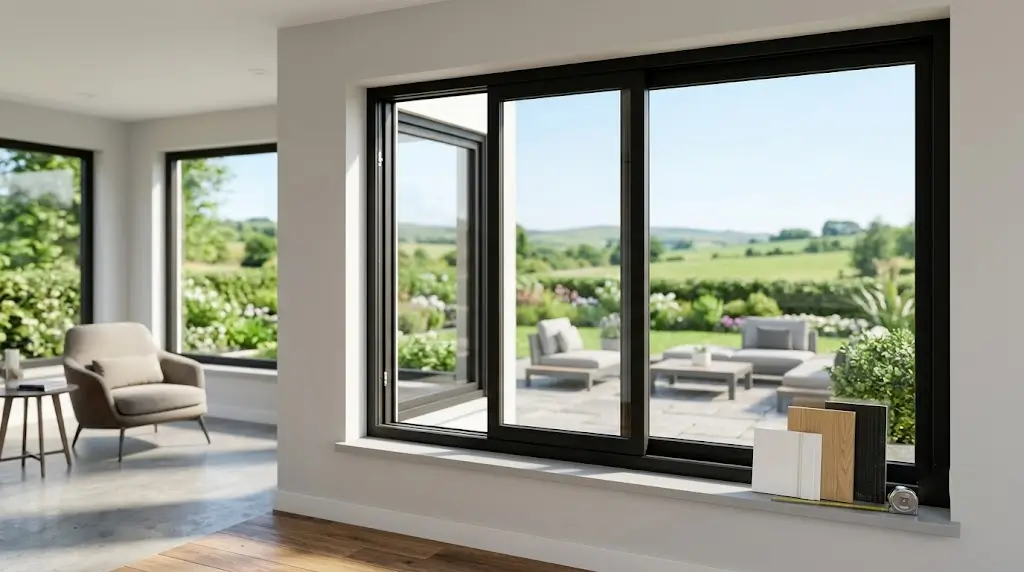
Looking for the best windows for your home? Start by thinking about your room size, how much fresh air you want, and what style fits your space. Energy efficiency matters—check for Energy Star or NFRC labels. Material and budget play big roles, so compare options before you choose windows. Homeowners often worry about issues like durability, security, maintenance, and finding a good installer.At George Construction, we believe window recommendations should be built on proven performance, durability, and long-term value—not sales claims. This guide follows the same approach, focusing on practical insights and reliable information to help you make a confident decision.
- Energy efficiency
- Security
- Durability
- Maintenance issues
- Choosing the right type
- Finding a reputable installer
- Dealing with unexpected problems
Key Takeaways
- Measure your window openings Accurate measurements dictate performance. Always use the smallest measurements for ordering, and account for out-of-square frames in older homes.
- Choose energy-efficient windows with Energy Star or NFRC labels to save on utility bills and improve comfort.
- Select the right material based on your needs: vinyl for low maintenance, wood for classic style, fiberglass for durability, and aluminum for strength.
- Hire a qualified installer to avoid costly mistakes and ensure proper installation for long-lasting performance.
- Set a clear budget and research costs to avoid surprises. Consider both upfront costs and long-term savings.
Sliding Windows Overview & Benefits
What Are Sliding Windows?
Sliding windows (sometimes called gliding windows) feature sashes that move side to side on a horizontal track. Depending on the configuration, they can be single-sliders (one active sash and one stationary pane) or double-sliders (both sashes move). This horizontal design makes them incredibly easy to operate, even in hard-to-reach spots like above a kitchen sink or bathtub.Sliding windows are a popular choice for many homeowners.
Tip: Sliding windows are ideal for wider horizontal openings, allowing for expansive glass areas that maximize natural light and unobstructed views.
Key Benefits for Homeowners
Why do so many people choose sliding windows? Here are some top reasons:
- Cost-effectiveness: Because they rely on a simple track mechanism rather than complex hardware (like the cranks found on casement windows), they generally cost less to purchase and maintain.
- Ease of use: The smooth track means you can open and close them with little effort. No more stuck windows!
- Enhanced security: The tight seal and simple design make it harder for intruders to break in.
Sliding windows also help improve your home’s look. Their clean lines and large glass areas bring in lots of sunlight, making rooms brighter and more inviting.
Best Rooms for Sliding Windows
Wondering where sliding windows work best? Check out this table for some ideas:
| Room Type | Benefits |
|---|---|
| Rooms with Low Ceilings | The horizontal orientation visually widens the space, making the room feel larger. |
| Rooms with Low Ventilation | Boost airflow, perfect for stuffy areas. |
| Small Rooms | Add privacy while still giving light and fresh air. |
| Large Rooms | Fit big spaces and balance the room’s look. |
| Hard to Reach Places | Easy to open above sinks, counters, or bathtubs. |
If you want the best windows for your home, sliding windows are a smart pick for many spaces. George Group can help you find the right style and fit for your next project.
Choosing the Right Size & Fit
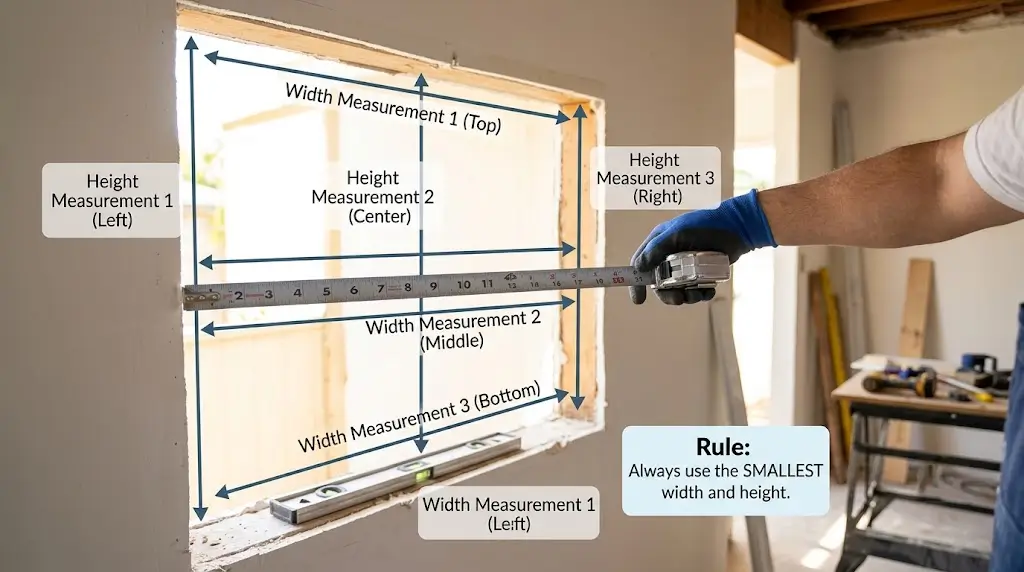
Measuring Window Openings
Whether you are ordering a single replacement window or sourcing for an entire housing project, precision is non-negotiable. A quarter-inch error can lead to significant installation delays or air leaks.
Follow this standard industry protocol for measuring:
- Measure the Width: Take three measurements across the frame—at the top, middle, and bottom.
- Measure the Height: Take three measurements vertically—on the left side, center, and right side.
- The Golden Rule: Always record the smallest measurement for both width and height. This ensures the new window will actually fit into the existing opening without needing to modify the wall structure.
- Check for Square: Place a level on the sill and check the corners dynamically. Older homes settle over time. If the opening is severely out-of-square, ordering a window based purely on width and height will result in uneven gaps.
Note: Always measure the physical wall opening (the rough opening), not the old window sash or the trim.
Standard vs. Custom Sizing
Standard window sizes are mass-produced, making them more budget-friendly and faster to ship. If your opening is within half an inch of a standard size (e.g., your opening is 47½” × 47½” for a standard 48″ × 48″ window), you can usually use the standard size and fill the small gap with shims and insulation.
However, if the gap is larger, you must order a custom size.
- For Homeowners: Custom sizes prevent major structural modifications to your home but will increase the unit cost.
- For Builders/Contractors: When planning a new build or whole-house customization, designing wall openings around standard window sizes from the start is the easiest way to control your material budget and avoid extended manufacturing lead times.
Room Size & Fit
Room size plays a big role in choosing the right window. Large rooms often need bigger windows to let in enough light and keep the space feeling open. Small rooms can benefit from standard sizes, which are easier to install and usually cost less. If your window opening is close to a standard size, you can save money and time by ordering a standard window.
If your measurements are much smaller or larger than standard sizes, you may need a custom window. George Group can help you decide if a custom fit is right for your home.
Common Sizing Mistakes
Measuring mistakes can lead to big problems. Here are some common errors to watch out for:
- Measuring only once or skipping one of the three spots (top, middle, bottom for width; left, center, right for height).
- Not using the smallest measurement. Always use the smallest number to make sure your window fits.
- Ignoring uneven or out-of-square openings, especially in older homes.
- Forgetting to check the rough opening size. This can cause leaks, drafts, and even structural damage.
- Ordering the wrong size because you didn’t double-check your notes.
Note: If you’re not sure about your measurements, ask a professional for help. It’s better to be safe than sorry.
Size Checklist
Before you order your new sliding windows, run through this checklist to make sure you’re ready:
- Measure width at the top, middle, and bottom.
- Measure height on the left, center, and right.
- Record all measurements clearly.
- Use the smallest width and height for your order.
- Check that the sill is level and the opening is square.
- Compare your numbers to standard sizes.
- Decide if you need a standard or custom window.
- Double-check everything before placing your order.
Taking these steps will help you get the perfect fit for your replacement windows and avoid costly mistakes.
Sliding Windows Material Guide
Frame material dictates a window’s structural integrity, thermal performance, and maintenance requirements. Here is how the four primary materials compare for both standard residential upgrades and custom commercial applications.
Vinyl Pros & Cons
Vinyl windows are a favorite for many homeowners. They are made from uPVC, which is durable and energy efficient. Vinyl frames come in many colors and do not need painting. You just need to wash them now and then.
Pros:
- Low maintenance—just clean with soap and water.
- Excellent insulation, which helps lower energy bills.
- Won’t rot, peel, or warp.
- Long lifespan—up to 40 years.
Cons:
- Limited color choices compared to wood.
- Can expand or contract in extreme temperatures.
- Not as strong as fiberglass or aluminum for very large openings.
Vinyl is also a green choice. Many manufacturers use recycled uPVC, which cuts down on waste and the need for new raw materials. The long life of vinyl windows means you won’t need replacement windows as often, which helps the environment.
Wood Pros & Cons
Wood windows have a classic look that works well with traditional homes. They offer natural beauty and can be painted or stained to match any style.
Pros:
- Warm, timeless appearance.
- Can be customized with paint or stain.
- Good insulation properties.
Cons:
- High maintenance—needs regular painting and sealing.
- Prone to rot, mold, and insect damage if not cared for.
- Usually more expensive than vinyl or aluminum.
- Lifespan is about 20 years with proper care.
If you love the look of wood, be ready to spend time on upkeep. Regular maintenance protects against rot and keeps your windows looking great.
Fiberglass Pros & Cons
Fiberglass windows are tough and stable. They resist swelling, shrinking, and warping, even in harsh weather. Many people like them for their strength and modern look.
Pros:
- Very durable—lasts at least 20 years.
- Low maintenance—can be painted but does not require it.
- Handles temperature swings without warping.
- Good for humid or coastal climates.
Cons:
- Fewer color options than wood.
- Usually costs more than vinyl.
- Can be harder to find in some areas.
Fiberglass is a smart pick if you want a window that stands up to tough weather and needs little care.
Aluminum Pros & Cons
Aluminum windows have a slim, modern profile. They are strong and work well for large window openings. Many commercial buildings use aluminum, but it’s also popular in homes with a modern style.
Pros:
- Strong and lightweight.
- Slim frames allow for bigger glass areas.
- Good for large or custom windows.
- Lasts at least 20 years.
Cons:
- Conducts heat and cold, which can affect energy efficiency.
- Needs coatings to prevent corrosion, especially near the coast.
- Moderate maintenance—keep an eye on finishes and lubricate hardware.
Aluminum with marine-grade coatings works well in humid or coastal areas. Just make sure the finish stays in good shape to avoid corrosion.
Durability & Maintenance Comparison
How long will your windows last? How much work will you need to keep them looking good? Here’s a quick look:
- Vinyl/PVC: Up to 40 years
- Aluminum: At least 20 years
- Fiberglass: At least 20 years
- Wood: At least 20 years
Maintenance needs can make a big difference in your daily life. Check out this table for a side-by-side comparison:
| Material | Maintenance Frequency | Key Points | Best Application |
|---|---|---|---|
| Vinyl | Low | Requires mostly washing and hardware checks; no painting needed due to integral color. | Standard Residential Replacements |
| Fiberglass | Low | Generally low maintenance; can be painted if desired, but does not require it. | Extreme Climates / Coastal Areas |
| Wood | High | Requires regular upkeep, including painting and protection from rot. | High-End Homes |
| Aluminum | Moderate | Needs attention to surface finishes and hardware lubrication; risk of corrosion if coatings are damaged. | Commercial / Large Custom Spans |
Tip: Regular cleaning, checking weatherstripping, and lubricating tracks help all window types last longer. Catching small problems early can save you money and keep your windows working smoothly.
Material Checklist
Not sure which material is right for you? Use this checklist to help you decide:
- Do you want low maintenance?
- Is energy efficiency a top priority?
- Does your climate have lots of humidity or salty air?
- Are you looking for a classic or modern look?
- Do you need a custom color or finish?
- What is your budget for replacement windows?
- How important is the manufacturer’s reputation?
- Will the window style match your home’s architecture?
Note: For humid or coastal climates, fiberglass, vinyl, or aluminum with marine-grade coatings are best. If you want a traditional look, wood is hard to beat, but it needs more care. The finish and sill design matter for both looks and durability. Customization options can help your windows fit your style perfectly.
George Group can help you compare all these options and find the best sliding windows for your next project.
Energy Efficiency & Installation
Energy Star & NFRC Labels
Don’t just look for an Energy Star label; understand the specific metrics that dictate a window’s performance. The NFRC (National Fenestration Rating Council) label provides two critical numbers you must check before purchasing:
- U-Factor (Insulation): Measures how well a window prevents non-solar heat flow. The lower the U-Factor, the better the window keeps heat inside during winter. (Crucial for cold climates).
- SHGC (Solar Heat Gain Coefficient): Measures how much heat from sunlight passes through the glass. A lower SHGC means less heat enters your home. (Crucial for hot, sun-heavy climates to reduce air conditioning costs).
For optimal performance, always specify double-pane or triple-pane glass with Low-E (low-emissivity) coatings and Argon gas fills between the panes.
Tip: Energy Star and NFRC labels also mean the windows have been tested for things like air leaks and insulation. This helps you trust that your new windows will perform well.
Security Flaws & How to Fortify Them
Many standard sliding windows have a structural vulnerability: they are easier to force open than casement windows. Because the active sash sits loosely on a track, intruders can often use a pry bar to lift the window completely off its tracks from the outside, bypassing the factory lock entirely.
How to Secure Your Sliding Windows:
- Anti-Lift Blocks: Ensure your new windows come equipped with (or retrofit them with) small blocks installed inside the upper track. These reduce the vertical clearance, making it physically impossible to lift the window out of the bottom track.
- Charley Bars or Track Dowels: A rigid bar that drops down into the interior bottom track behind the active sash. Even if the primary lock is picked, the window cannot slide open.
- Secondary Pin Locks: For maximum security, drill a heavy-duty pin lock through the window frame and into the sliding sash.
Long-Term Track Maintenance & Troubleshooting
Sliding windows require specific ongoing maintenance to prevent the track mechanism from failing.
Worn Rollers: If a window begins to grind or jump when sliding, the internal brass or nylon rollers are likely worn flat. The active sash must be removed to swap out the roller assembly before it permanently damages the track.
The Sticky Track Issue: Dirt, pet hair, and debris inevitably collect in the bottom track. Over time, this acts like sandpaper against the rollers. The Fix: Vacuum the tracks monthly. Twice a year, lubricate the tracks using a dry silicone spray. Never use oil-based lubricants like WD-40, as they will attract and trap more dirt.
Budgeting for Sliding Windows

Typical Cost Ranges
Sliding windows come in a range of prices, so it helps to know what to expect before you start shopping. Here’s a quick look at average costs in the United States as of 2024:
| Project Type | Cost Range |
|---|---|
| Smaller Repairs | $250 – $600 |
| Standard Installation | $1,000 – $3,000 per window |
| Full Window Replacement | $5,000 – $12,000 for a whole house |
| Custom or High-End Projects | Exceeding $15,000 |
Keep in mind, these numbers can change based on your choices and location.
Factors Affecting Price
Several things can change the price of your sliding windows. Here are the main factors:
- The type of sliding window you pick
- The size of the window
- The materials used for the frame
- Labor costs for installation
- Energy efficiency ratings
- Where you live (labor costs vary by region)
Choosing energy-efficient windows might cost more upfront, but they can help lower your utility bills over time. This makes them a smart investment for your home.
Budget Checklist
Want to avoid surprise expenses? Use this checklist to stay on track:
- List all planned expenses, including installation and materials.
- Do your research on window types, brands, and installers.
- Factor in hidden costs like permits or disposal fees.
- Stay organized with receipts and quotes.
- Add a little extra for unexpected costs.
Tip: Don’t forget to compare warranties and ask about labor guarantees. George Group can help you review your options and spot hidden fees.
Getting the Best Value
You don’t have to spend the most to get great sliding windows. Try these strategies:
- Pick materials that fit your needs—aluminum works well for busy areas, while vinyl is budget-friendly.
- Use high-quality brands for main rooms and more affordable options for less visible spaces.
- Keep the same brand on one wall for a consistent look.
- Always compare prices and check reviews before hiring an installer.
Common mistakes include skipping research, hiring based only on price, or choosing windows just for looks. Focus on quality, installation, and how the windows will work in your space.
Choosing the right sliding windows for your home is simple when you follow a few key steps:
- Measure your window openings carefully.
- Pick the best material for your needs.
- Check for energy efficiency labels.
- Set a clear budget.
Use the checklists above to stay organized and avoid mistakes. If you want expert help, George Group offers guidance and professional installation. Take the first step—grab your tape measure or reach out to a local specialist for advice.