Choosing between full overlay and partial overlay cabinets can feel overwhelming during a kitchen remodel. Imagine standing in a showroom, surrounded by endless kitchen cabinet choices, each affecting your budget, storage, and the look of your space. The decision matters because cabinet style changes how much of the frame you see, how easy doors are to open, and how much storage you gain. Full overlay cabinets often cost up to 16% more than Partial Overlay Cabinets, since they use more material and require careful installation. For many homeowners, kitchen cabinet choices account for nearly a third of the remodeling budget.
Key Takeaways
Full overlay cabinets provide a sleek, modern look by covering almost the entire cabinet frame, making them ideal for contemporary kitchens.
Partial overlay cabinets show part of the frame, offering a classic aesthetic and easier installation, making them a budget-friendly option.
Consider your kitchen size when choosing cabinet overlays; full overlays maximize storage in small spaces, while partial overlays add character in larger kitchens.
1 Introduction to Cabinet Overlays
1.1 What Is a Cabinet Overlay?
A cabinet overlay describes how much of the cabinet frame is covered by the doors and drawer fronts. This feature shapes the overall look and function of kitchen cabinets. There are two main types of overlay: full overlay and partial overlay. Each type of overlay changes the amount of frame you see and affects the style, cost, and installation process.
Type of Overlay | Descripción |
|---|---|
Full Overlay | Doors and drawer fronts cover the entire face frame, providing a sleek and uninterrupted appearance. |
Partial Overlay | Doors and drawer fronts partially cover the face frame, exposing part of the cabinet frame. |
1.2 What are Full Overlay Cabinets?
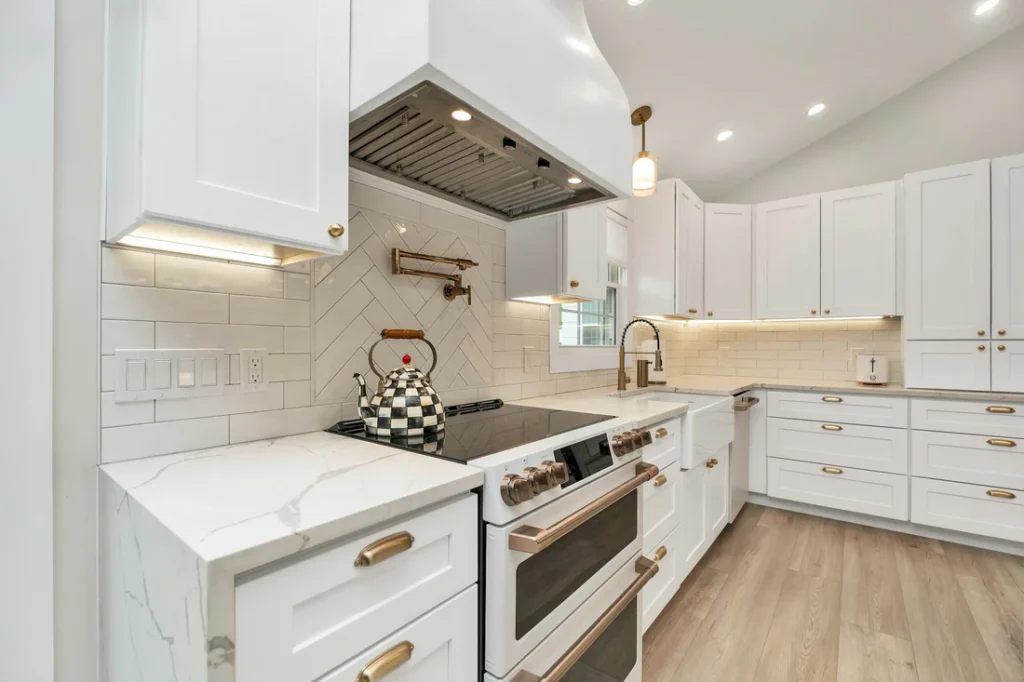
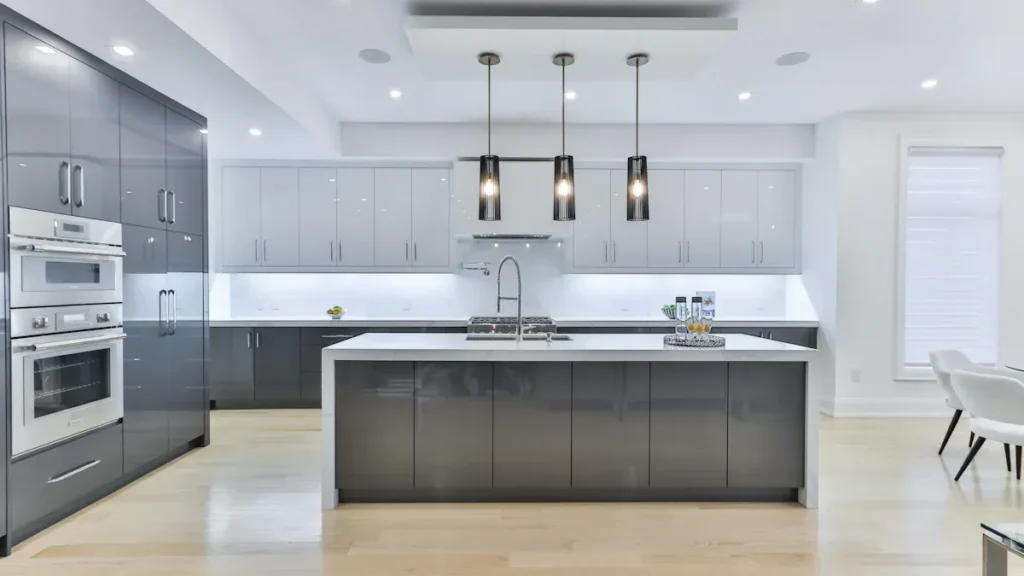
Full overlay cabinets use doors and drawers that almost completely cover the cabinet frame. This design leaves only a tiny gap between each door and drawer. The result is a seamless, modern look with clean lines. In most kitchens, full overlay cabinets hide almost the entire frame, making the surface appear smooth and unbroken. This style works well in contemporary spaces where homeowners want a sleek appearance.
Cabinet Type | Frame Visibility |
|---|---|
Full Overlay | Almost the entire frame covered |
Full overlay cabinets create a seamless look with minimal gaps.
They are typically used in modern kitchen designs due to their sleek look.
Full overlay cabinets often require precise installation and special hardware. This attention to detail adds to the cost but also increases the range of design options. Many people choose full overlay cabinets for their highly customizable finishes and materials.
1.3 What are Partial Overlay Cabinets?
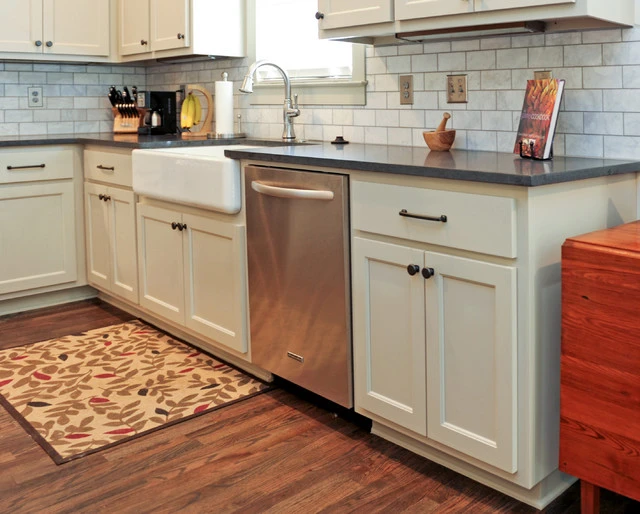
Partial overlay cabinets, sometimes called standard overlay, show about half an inch to one inch of the cabinet frame around each door and drawer. This style leaves part of the frame visible, which adds a classic and traditional touch to the kitchen. Partial overlay cabinets are easier and quicker to install because they do not need exact measurements for tight gaps.
Cabinet Type | Frame Visibility |
|---|---|
Partial Overlay | ½ to 1 inch of frame visible |
Partial overlay cabinets show about ½ to 1 inch of the frame around each door and drawer.
This style offers a traditional aesthetic with visible frames that add charm and structure.
Partial overlay cabinets are often more cost-effective and provide extra durability. The visible frame adds structural support, making them a good choice for busy kitchens. They also offer a range of design options, from rustic to transitional, and are easy to use without complex hardware.
2 Full Overlay vs. Partial Overlay: Main Differences
2.1 Appearance & Style
The most noticeable difference between full overlay cabinets and partial overlay cabinets is their visual impact. Full overlay cabinets create a sleek, seamless look. The doors and drawers cover almost the entire cabinet frame, which gives kitchens a modern and sophisticated appearance. In contrast, partial overlay cabinets leave a portion of the frame visible around each door and drawer. This design adds a classic, traditional charm that many homeowners appreciate.
Cabinet Type | Style Characteristics |
|---|---|
Partial Overlay | Classic, traditional aesthetic with a visible frame that adds charm. |
Full Overlay | Modern sophistication with maximum storage, offering a sleek, seamless look. |
Full overlay cabinets are highly compatible with contemporary kitchen designs. Their clean lines and uninterrupted surfaces fit well in modern spaces. Partial overlay cabinets, on the other hand, are less compatible with modern designs but provide a timeless appeal that works well in traditional or transitional kitchens.
Tip: If you want a kitchen that feels up-to-date and streamlined, full overlay cabinets are a strong choice. For a cozy, classic look, partial overlay cabinets may be the better option.
2.2 Space & Accessibility
Storage space and accessibility are important factors when choosing between full overlay and partial overlay cabinets. Full overlay cabinets maximize storage by eliminating the center frame pieces. This design allows for wider openings and easier access to items inside. Partial overlay cabinets have visible frames, which slightly reduce the available storage space but add strength and durability.
Característica | Full Overlay Cabinets | Partial Overlay Cabinets |
|---|---|---|
Storage Space | Maximum space with wider openings | Slightly less space due to visible frames |
Full overlay cabinets require hardware, such as handles or knobs, for opening. This hardware is necessary because the doors cover almost the entire frame, leaving little room to grip the edge. Partial overlay cabinets often allow users to hook their fingers around the exposed frame, making them easier to open without hardware. However, the smaller doors on partial overlay cabinets can make accessing items a bit more challenging, especially in tight spaces.
2.3 Installation & Maintenance
The installation process for full overlay cabinets is more complex than for partial overlay cabinets. Full overlay cabinets require precise measurements and careful alignment. The minimal gaps between doors and drawers mean that even small mistakes can be noticeable. This precision adds to the installation time and cost.
Partial overlay cabinets are more forgiving during installation. The visible frame can hide minor alignment issues, making the process simpler and faster. Installers can use the frame as a reference point, which reduces the risk of errors.
Maintenance also differs between the two styles. Full overlay cabinets usually need less frequent adjustments. Their design is more stable, so homeowners only need to tighten hinges or replace soft-close pistons occasionally. Partial overlay cabinets may require more regular hinge adjustments, especially in humid conditions. Seasonal changes can cause wood movement, which affects the alignment of the doors.
Note: If you live in an area with high humidity, partial overlay cabinets might need extra attention to keep doors aligned.
3 Cost vs. Value: Which Offers Better Investment?
3.1 Cost of Full Overlay Cabinets
Full overlay cabinets often come with a higher price tag. The cost depends on several installation cost factors, such as material type, cabinet style, and design complexity. Upgrading from paint-grade to stain-grade wood or choosing intricate designs can increase the price. Painted finishes and custom interiors also add to the total. The price range for full overlay cabinets varies based on kitchen size and installation needs. Smaller kitchens cost less, while larger spaces require more materials and labor.
Material type and finish
Design complexity
Kitchens designed with full overlay cabinets tend to attract broader buyer interest. Their modern aesthetic aligns with current market expectations, reducing the need for future updates.
3.2 Cost of Partial Overlay Cabinets
Partial overlay cabinets are more budget-friendly. They use less material and simpler hardware, which lowers the overall cost. For a mid-sized kitchen, the average cost ranges from $3,200 to $8,500. Stock or semi-custom options cost between $160 and $380 per linear foot, while custom versions can reach up to $1,000 per linear foot.
Type of Cabinet | Cost Range (per linear foot) |
|---|---|
Stock/Semi-Custom | $160 – $380 |
A medida | Up to $1,000 |
Partial overlay cabinets offer a classic look and extra durability. Their visible frames provide structural support, making them a practical choice for busy kitchens.
3.3 Long-Term vs. Short-Term Investment
When considering long-term value, both cabinet styles have strengths. Full overlay cabinets provide a sleek, modern look that appeals to many buyers. This can enhance the perceived value of a home.
The sleek and modern appearance of full overlay cabinets can greatly enhance the perceived value of a home.
Partial overlay cabinets offer a timeless, classic feel. They are more resilient and can last over 30 years with proper care. Their traditional appearance fits well in many transitional and classic kitchen designs.
Semi-custom cabinets provide the highest return on investment in mid-market homes, with returns up to 80%.
Shaker doors, often used in both overlay styles, are highly preferred by buyers.
In homes valued between $400,000 and $700,000, semi-custom cabinets can add a resale premium of $10,000 to $18,000.
Cabinet Type | Descripción | Cost Implications |
|---|---|---|
Full Overlay | Covers the entire cabinet face, showing only the door fronts. | Generally more expensive due to design and material quality. |
Partial Overlay | Covers a portion of the cabinet structure, leaving a visible frame gap. | More economical than full overlay. |
4 How to Choose the Right Overlay Style?
4.1 Based on Kitchen Size
Kitchen size plays a key role in selecting the right cabinet overlay. In small kitchens, every inch of storage matters. Overlay cabinets, including both full and partial overlay, maximize storage because their doors sit on the outside of the cabinet frame. This design allows for wider openings and less interference from hinges. In larger kitchens, storage loss from other styles is less of a concern, but most homeowners still prefer overlays for their accessibility and space efficiency.
Overlay cabinets maximize storage space.
Wider openings make it easier to reach items.
Small kitchens benefit most from this design.
4.2 Based on Budget
Budget is often a deciding factor. Full overlay cabinets cost more due to extra materials and the need for precise installation. Partial overlay cabinets are more affordable and easier to install, making them a popular choice for budget-conscious homeowners.
Cabinet Type | Cost Implication |
|---|---|
Full Overlay | More expensive due to design and materials |
Partial Overlay | More cost-effective and easier to install |
Tip: If you want to save money without sacrificing style, partial overlay cabinets offer a smart solution.
4.3 Based on Design Preference
Personal style and kitchen design influence the final choice. Full overlay cabinets suit modern kitchens, providing a high-end look with clean lines and minimal visible frames. Homeowners who want a seamless, premium feel often choose this style. Partial overlay cabinets work well in traditional kitchens, where a classic appearance and visible frames add warmth and character. This style is also easier to install and maintain.
Full overlay cabinets fit contemporary designs and maximize storage.
Partial overlay cabinets are ideal for traditional spaces and save on costs.
Homeowners seeking a high-end look often prefer full overlays.
Installation challenges should also be considered. Full overlay cabinets require precise alignment and special hardware to achieve their seamless appearance. Partial overlay cabinets are more forgiving, making them suitable for DIY projects or quick remodels.
5 Customization Options
When choosing between full overlay and partial overlay cabinets, customization plays a key role in achieving your desired kitchen look and function. Both styles offer unique options for materials, finishes, and upgrades.
5.1 Materials & Door Styles
Full overlay cabinets provide a wide range of material and door style choices. Homeowners can select from solid wood, MDF, or laminate. Shaker, slab, and raised panel doors are all available. This flexibility allows for a modern or traditional appearance. Partial overlay cabinets also offer several materials, but the selection is often more limited. Most partial overlay cabinets use classic door styles, which suit traditional kitchens.
Full overlay cabinets: More material and style options, including custom designs.
Partial overlay cabinets: Fewer choices, often focused on classic looks.
5.2 Colors & Finishes
Color and finish options help personalize your cabinets. Full overlay cabinets support a broad palette, from bold colors to subtle stains. High-gloss, matte, and textured finishes are popular. Partial overlay cabinets usually feature neutral tones and wood stains. Their visible frames highlight natural wood grains and classic finishes.
Tip: Choose a finish that matches your kitchen’s lighting and overall design for the best effect.
5.3 Functional Storage Upgrades
Modern kitchens benefit from smart storage solutions. Full overlay cabinets maximize storage space by covering the entire frame, allowing for wider drawers and pull-out shelves. Specialized hardware, such as soft-close hinges and drawer organizers, is common. Partial overlay cabinets offer standard storage but may have less space due to the exposed frame.
Full overlay: Maximized storage, advanced hardware.
Partial overlay: Standard storage, basic hardware.
5.4 Design Accents for a Premium Look
Design accents can elevate your kitchen’s style. Full overlay cabinets support premium features like integrated lighting, glass inserts, and decorative moldings. Their seamless appearance creates a high-end, custom look. Partial overlay cabinets can include crown molding and decorative knobs, but the exposed frame limits some design options.
Característica | Full Overlay Cabinets | Partial Overlay Cabinets |
|---|---|---|
Appearance | Seamless, modern, custom look | Classic, traditional, visible frame |
Coste | Higher due to materials and installation | Lower, more budget-friendly |
Storage | Maximized, wider openings | Slightly less, frame reduces space |
Hardware | Specialized, soft-close, custom options | Standard, basic hardware |
Maintenance | Less frequent adjustments, stable alignment | May need more hinge adjustments |
Full overlay and partial overlay cabinets both offer ways to customize your kitchen. Your choice will depend on your style, storage needs, and budget.
6 Conclusion: Choosing the Right Option
Selecting the right cabinet overlay style shapes the look, function, and value of your kitchen. Both full overlay and partial overlay cabinets offer unique benefits. Your decision should reflect your kitchen’s size, your budget, and your design goals.
Full overlay cabinets create a seamless, modern appearance. They maximize storage and provide a high-end feel. These cabinets work well in contemporary kitchens where clean lines and a smooth finish matter. Homeowners who want a custom look often choose this style, even though it costs more and requires precise installation.
Partial overlay cabinets remain a popular choice for traditional and transitional kitchens. The visible frame adds character and durability. This style is easier to install and maintain. It also fits a range of budgets, making it accessible for many homeowners.
Tip: Visit a showroom to see both styles in person. Touch the doors, open the drawers, and imagine how each option would look in your space.
When comparing options, consider these questions:
Does your kitchen need extra storage or a modern look?
Is your budget flexible, or do you need a cost-effective solution?
Do you prefer a classic style or a sleek, updated design?
The best choice depends on your needs and preferences. If you want a timeless kitchen with lasting value, partial overlay may be the right fit. For a bold, contemporary upgrade, full overlay cabinets deliver a premium result.
Before making a final decision, consult a kitchen design professional. Their expertise can help you match your vision with practical solutions. Your kitchen should reflect your lifestyle and taste, so take time to explore all your options.
Choosing between full overlay and partial overlay cabinets depends on your kitchen goals. Full overlay works well for modern spaces and maximizes storage. Partial overlay cabinets offer a classic look and are easier to install. Think about your budget, style, and how much maintenance you want. Visit a showroom or talk to a professional for advice. The best choice matches your needs and makes your kitchen work for you.
PREGUNTAS FRECUENTES
What is the main difference between full overlay and partial overlay cabinets?
Full overlay cabinets cover almost the entire cabinet frame, creating a seamless look. Partial overlay cabinets leave part of the frame visible, giving a more traditional appearance.
Are full overlay cabinets harder to install?
Yes. Full overlay cabinets need precise alignment and special hardware. Small mistakes can be noticeable. Professional installation is often recommended for best results.
Which style is easier to maintain?
Full overlay cabinets need fewer adjustments over time. Their design keeps doors and drawers stable. Partial overlay cabinets may need more hinge adjustments, especially in humid climates.
Can I customize both cabinet styles?
Both styles offer customization options. You can choose different materials, colors, and hardware. Full overlay cabinets often provide more modern choices, while partial overlay cabinets work well with classic designs.