
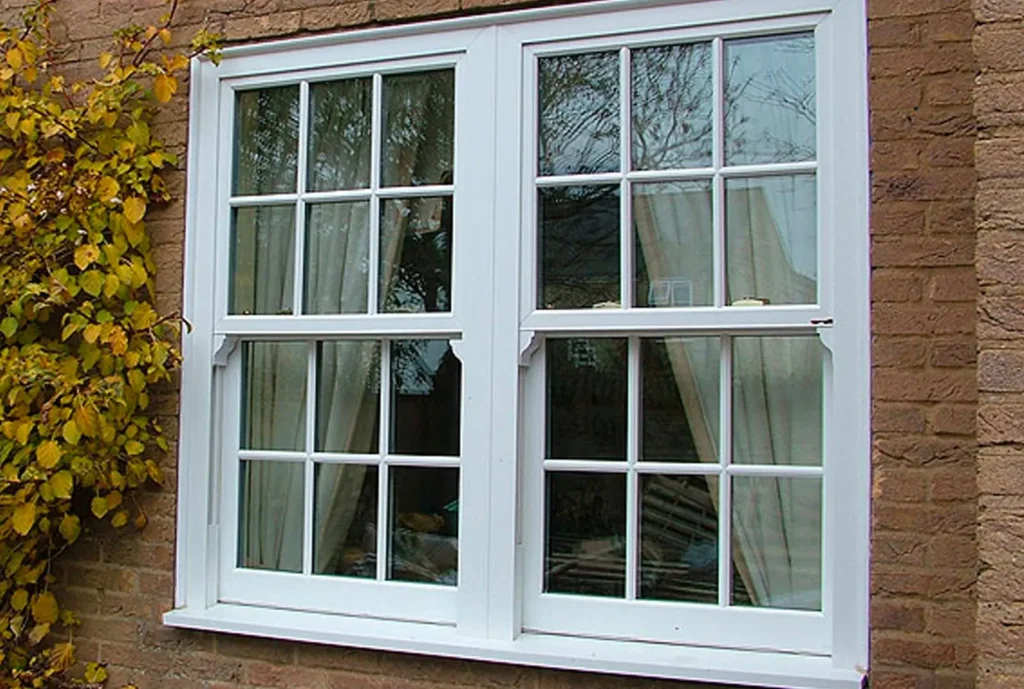
You see vertical windows in many homes because they move up and down with a simple sliding mechanism. This design makes it easy for you to open and close the windows, which helps with ventilation and brings in more natural light. The vertical style also adds a modern touch to your space and fits different room layouts.
Key Takeaways
- Vertical sliding windows save space by moving up and down, making them ideal for tight areas like bathrooms and hallways.
- These windows enhance ventilation and natural light, improving indoor air quality and creating a welcoming atmosphere.
- Vertical sliding windows offer better energy efficiency with tighter seals, helping to reduce heating and cooling costs.
- Choose the right style and functionality based on your room’s layout and needs to maximize comfort and aesthetics.
- Regular maintenance, such as cleaning tracks and checking seals, ensures your vertical windows operate smoothly and last longer.
1. Introduction: What Are Vertical Sliding Windows?
You encounter vertical sliding windows in many homes and buildings. These windows use a design where the sashes move up and down inside a fixed frame. This movement lets you open the window for fresh air or close it for insulation and security. The vertical sliding mechanism makes operation simple and efficient, especially in spaces where you want to maximize airflow without taking up extra room.
Tip: Vertical sliding windows are often called “sash windows.” You can find them in both historic and modern architecture.
Historical Development of Vertical Sliding Windows
Vertical sliding windows have a rich history. Their design has evolved over centuries, adapting to changes in architecture and technology. Here is a brief timeline:
- Late 17th Century: The first box sash windows appeared in England. Robert Hooke is credited with inventing the two-sash vertical sliding system.
18th Century (Georgian Era): These windows became popular in townhouses and public buildings. The style focused on symmetry and elegant glazing bars.
19th Century (Victorian Era): Advances in glass manufacturing allowed for larger panes and more decorative details. This improved both function and appearance.
20th Century: Interest in sash windows revived as people appreciated period architecture. Casement windows gained popularity during the Industrial Revolution, but vertical sliding windows remained a classic choice.
Main Components and Mechanisms
You can better understand vertical sliding windows by looking at their main parts and how they work. The table below shows the essential components:
Component | Descripción |
|---|---|
| Frame | The structure that holds the window in place within the wall. |
| Sash | The operable section that moves up or down to open or close the window. |
| Glass | The transparent material that lets light enter and provides a view. |
| Spacers | Parts that separate glass panes in double-glazed windows for better insulation. |
Sash Movement: You slide the sashes vertically along tracks. This makes it easy to open the window for ventilation.
Double-Hung Design: In some vertical sliding windows, both sashes move. You can open the top, bottom, or both for flexible airflow.
Sliding Mechanism: The sashes glide smoothly, so you do not need extra space to operate the window.
How Vertical Sliding Windows Function
Vertical sliding windows offer several practical advantages:
Característica | Vertical Sliding Windows | Other Window Types |
|---|---|---|
Operation | Sashes slide up and down within tracks | Varies by type (e.g., side-to-side) |
Ventilation Options | Flexible with independent sashes | Limited in some types |
Cleaning Ease | Tilt-in function for easy cleaning | Depends on design |
Maintenance | Generally low-maintenance, but may need attention | Varies widely |
Modern balance systems make lifting the sashes easy.
Double-hung windows with tilt-in sashes allow you to clean the glass from inside your home.
Maintenance is usually simple, but you may need to check the balance system over time.
You can control airflow by opening both the top and bottom sashes. This creates a chimney effect, pulling cool air in from below and pushing warm air out above. Single-hung windows only let you open the bottom sash, so ventilation is less flexible.
Materials Used in Vertical Sliding Windows
Manufacturers use different materials to build vertical sliding windows. Each material offers unique benefits:
Material | Characteristics |
|---|---|
Aluminum | Durable, low maintenance, weather resistant |
Glass | Insulated glass, Low-E glass, reflective, tinted |
Aluminum frames resist weather and require little upkeep. Glass options include insulated, Low-E, and tinted varieties for better energy efficiency and comfort.
Vertical windows combine classic style with modern features. You get a window that fits many architectural styles and meets your needs for ventilation, light, and easy operation.
2. Vertical Sliding vs. Horizontal Sliding Windows
When you choose new windows for your home, you often compare vertical sliding windows with horizontal sliding styles. Each type offers unique advantages for different spaces and needs.
Vertical sliding windows move up and down. Horizontal sliding windows open side to side. This difference affects how you use them in your rooms. Vertical windows work well in narrow wall spaces. Horizontal windows fit wide openings and can provide a broad view.
Energy efficiency matters when you select windows. You want to keep your home comfortable and save on energy bills. The table below shows how vertical sliding windows compare to horizontal sliding windows in key areas:
Característica | Vertical Sliding Windows | Horizontal Sliding Windows |
|---|---|---|
U-Factor (thermal transmittance) | Better insulation (lower values) | Moderate insulation (higher values) |
Air Leakage (CFM per linear foot) | 0.1-0.3 (excellent) | 0.2-0.6 (good to fair) |
Air Sealing Efficiency | 15-25% better | Less effective |
Compression Seals | Tighter seals | Weaker seals |
You see that vertical sliding windows often provide tighter seals and better insulation. This means you can expect less air leakage and improved comfort in your home.
Cost and maintenance also influence your decision. Consider these points:
Vertical sliding windows usually cost $140–$400 to install.
Horizontal sliding windows often range from $415–$890 for installation.
You may spend less on maintenance for vertical windows. Horizontal windows can need more frequent care because their tracks collect dust and debris.
Tip: If you want easy cleaning, vertical sliding windows with tilt-in sashes let you clean both sides from inside your home.
You should think about your room layout, budget, and energy needs before you decide. Vertical windows offer space-saving benefits and strong energy performance. Horizontal windows suit wide spaces and provide a different look.
3. Best Applications for Vertical Sliding Windows
3.1 Residential homes
You often see vertical sliding windows in homes because their design fits many spaces. You can use these windows in bathrooms, hallways, and smaller bedrooms. The vertical movement saves space and lets you control ventilation easily. You get a classic look that matches both modern and traditional interiors. The design allows you to maximize natural light and improve performance in rooms where space matters.
Ideal for bathrooms where privacy and airflow are important
Suitable for hallways that need extra light without taking up wall space
Perfect for smaller bedrooms where you want efficient ventilation
The design of vertical windows helps you create a comfortable environment. You can open the sashes to let in fresh air or close them to keep your room quiet and insulated. The performance of these windows stands out in spaces where you need both style and function.
3.2 Apartments & high-rise buildings
Vertical sliding windows work well in apartments and high-rise buildings. Their design addresses safety and ventilation needs. You can choose windows with dual opening modes. The tilt position lets you ventilate your space securely, while the swing mode gives you maximum airflow. The robust hardware system supports the weight and movement, ensuring smooth operation and long-lasting performance.
Feature/Advantage | Descripción |
|---|---|
Dual Opening Modes | Tilt for secure ventilation or swing open for maximum airflow |
Robust Hardware System | Handles weight and movement for durability and smooth operation |
Secure Ventilation Option | Allows airflow while minimizing safety risks |
Enhanced Safety Features | Prevents accidental falls while allowing air circulation |
Ease Of Cleaning | Sash swings inward for easy cleaning from inside |
Energy Efficiency | Advanced seals and locking points reduce heating and cooling costs |
You get a design that meets strict safety standards and improves energy performance. Cleaning becomes easier because you can reach both sides of the glass from inside your apartment.
3.3 Commercial and renovation projects
You find vertical sliding windows in many commercial spaces and renovation projects. Their design offers advanced options that boost energy efficiency, making them a smart choice for modern upgrades. You can maintain a traditional look in heritage hotels and older B&Bs while enhancing performance. The vertical design works well in boutique inns where space is limited. High-end bungalows and designer apartments often use these windows to showcase upscale appeal.
Advanced design options improve energy performance in renovations
Traditional design fits heritage hotels and older B&Bs
Vertical design maximizes space in boutique inns
Upscale design suits high-end bungalows and designer apartments
You benefit from a window design that combines style, space-saving features, and strong performance. The versatility of vertical windows makes them suitable for many commercial settings.
4. Key Benefits of Vertical Sliding Windows
4.1 Space-saving design
You often look for window styles that save space and fit tight areas. Vertical sliding windows offer a smart solution. These windows operate by moving one pane over another, so you do not need extra room for the sash to swing outward. This makes vertical windows ideal for hallways, bathrooms, and places with high foot traffic. You avoid the limitations of traditional casement or awning windows, which require more space to open. Cleaning and maintaining vertical windows is easier because you do not deal with cranks or hinges.
You maximize usable space in small rooms.
You reduce the risk of blocking walkways or furniture.
You simplify cleaning and upkeep.
4.2 Ventilation & natural light
You want your home to feel fresh and bright. Vertical sliding windows help you achieve this goal. These windows allow sunlight to enter your rooms, making spaces feel larger and more welcoming. You can open the sashes to let in fresh air and remove stale air, which improves indoor air quality. Proper placement of vertical windows helps you reduce indoor pollutants and maintain a healthy environment.
Sunlight enters your home effectively.
Fresh air circulates, improving indoor air quality.
You control airflow for comfort and health.
Tip: You can open both the top and bottom sashes to create a chimney effect, which boosts ventilation and helps regulate temperature.
4.3 Aesthetic and architectural flexibility
You want windows that match your home’s style. Vertical sliding windows adapt to many architectural designs, from classic to modern. Their minimalistic profile increases the glass area, so you enjoy more natural light and a sophisticated look. Architects use vertical windows to enhance the appearance of homes and buildings. You can choose from different window styles to fit your taste and needs. This flexibility allows you to improve both the look and function of your space.
Beneficio | Descripción |
|---|---|
| Versatile design | Complements traditional and modern architecture |
| Maximized glass area | Increases natural light and visual appeal |
| Customizable window styles | Fits your preferences and room requirements |
You also improve energy efficiency by selecting vertical windows with advanced glazing and seals. These features help you keep your home comfortable and lower your energy costs.
5. Choosing Vertical Windows for Your Space
5.1 Assessing Room Requirements
You need to look at each room before you install vertical sliding windows. Start by measuring the wall space and checking how much natural light you want. Small rooms, like bathrooms or hallways, benefit from vertical windows because they do not need extra space to open. You can place these windows higher on the wall for privacy or lower for better views. Think about how often you will open the window and if you need easy access for cleaning. If you plan to add air conditioning units, make sure the window size and opening style will work with your unit.
Tip: Always check for obstacles like furniture or radiators that might block the window path.
5.2 Style and Functionality
You want your windows to match your home’s style and meet your needs. Vertical sliding windows come in different designs, such as single-hung or double-hung. Each style affects how you use your space. The table below compares single-hung vertical sliding windows with horizontal sliding windows:
Característica | Single-Hung (Vertical Sliding) | Sliding (Horizontal) |
|---|---|---|
Opening Style | Moves up and down | Slides left to right |
Ventilation | Moderate airflow | Excellent airflow |
Space Efficiency | Great for tight spaces | Needs wider wall space |
You see that single-hung vertical windows work well in narrow spaces and give you a classic look. Double-hung styles let you open both sashes for more airflow. Choose a style that fits your room’s layout and your daily routine.
5.3 Energy Ratings
You should always check the energy ratings before you install vertical sliding windows. Energy-efficient windows help you save money and keep your home comfortable. Look for labels and certifications that show the window’s performance. The table below explains two important certifications:
Certificación | Descripción |
|---|---|
NFRC label | The National Fenestration Rating Council tests, certifies, and labels windows based on energy performance ratings, helping you compare energy-efficient options. |
ENERGY STAR certification | A government program that tests various home goods, including windows, and requires additional screenings beyond the NFRC label to ensure higher energy performance ratings based on U-factor and solar heat gain coefficient ratings. |
You can find these labels on most new vertical windows. They show you how well the window keeps heat in or out. Always ask about these ratings during the installation steps. This helps you choose the best option for your climate and budget.
Note: High energy ratings mean lower heating and cooling costs over time.
When you follow these steps, you make sure your vertical window installation steps go smoothly and your new windows fit your needs.
6. Vertical Sliding Window Installation Steps
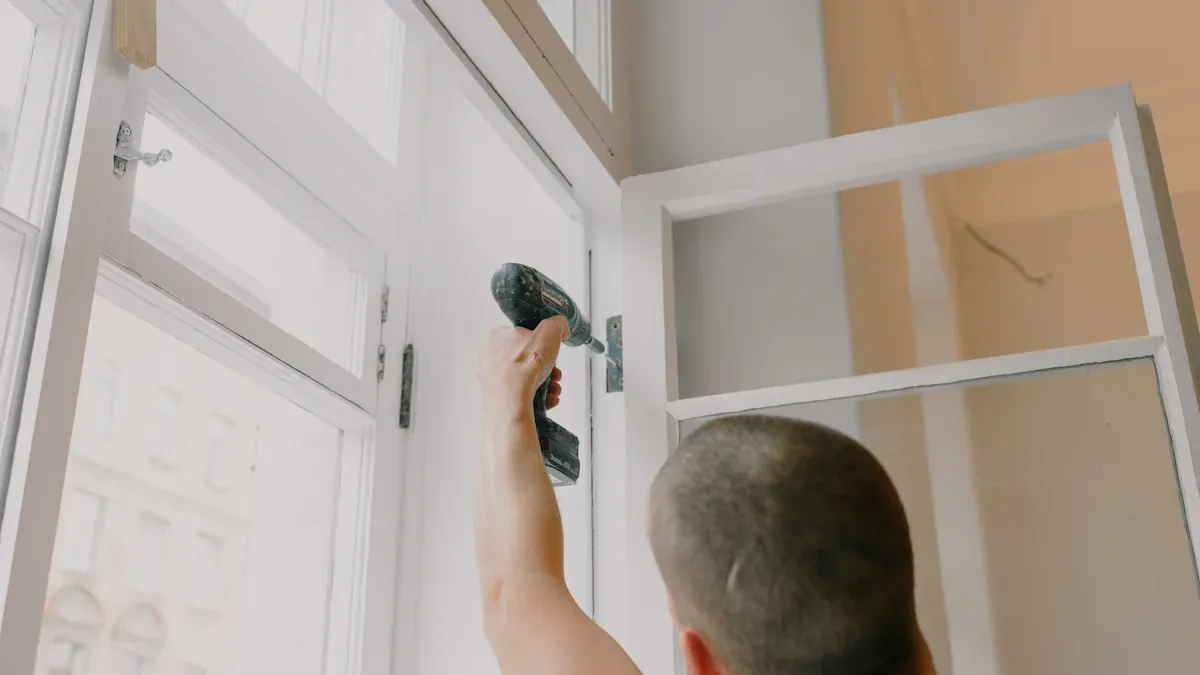
Installing vertical sliding windows requires careful preparation and attention to detail. You can achieve a secure and energy-efficient fit by following these step-by-step guidelines. This section will help you understand each stage, from measuring the opening to testing the final operation.
6.1 Measure the window opening
Accurate measurement is the foundation of a successful installation. You should always use a steel tape measure for the best results. Avoid cloth or vinyl tape measures because they can stretch and give you incorrect readings.
Measure the width at three points: the top, middle, and bottom of the opening. Record the smallest number.
Measure the height at three points: the far left, center, and far right. Again, use the smallest measurement.
Check the jamb depth by measuring from the inside edge of the interior trim to the outside edge of the exterior trim.
Tip: Double-check your measurements before ordering your new window. This step helps you avoid costly mistakes.
6.2 Install and level the window frame
Proper tools and materials make the installation process smoother. Gather everything you need before you begin.
Essential Tools and Materials:
Steel tape measure
Spirit level or laser line projector
Square
Screwdrivers and utility knife
Non-elastic rubber hammer
Electric drill
Silicone gun
Waterproof membrane and rubber strip tools
Screws, fasteners, shims, and insulation
Set the window frame into the opening. Use shims to adjust the frame until it is level and square. Check with a spirit level on all sides. The frame must sit flush against the opening to prevent drafts and ensure smooth operation.
Note: In high-traffic areas, make sure the frame does not protrude into walkways. This reduces the risk of bumps or damage.
6.3 Secure the frame and seal gaps
A well-sealed frame keeps your home comfortable and energy efficient. Start by cleaning the surfaces where you will apply weather stripping. This step ensures proper adhesion.
Best Practices for Sealing and Securing:
Staple 15-pound builder’s felt along the bottom of the window opening, letting it extend past the sides.
Apply a strip of self-adhering waterproof membrane over the felt, overlapping the sides.
Cut the membrane corners diagonally and fold the extra material into the opening.
Add small pieces of membrane to the corners to cover any gaps.
Place two strips of membrane along the sides, overlapping the bottom flashing.
Set the window into the opening and use shims to level and square it.
Nail through the nailing flange to secure the window, then apply a final strip of membrane across the top.
After securing the frame, apply high-quality exterior caulk around the trim and joints. Add a drip cap above the window to direct water away. Use low-expansion foam insulation around the frame for better energy efficiency.
Tip: Regularly check and replace weather stripping to maintain a tight seal.
6.4 Fit the sliding sashes
Fitting the sliding sashes requires patience and attention. You may encounter some common challenges:
Broken sash cords can make the sashes unbalanced and hard to move.
Drafts may come from gaps between the sashes and the frame.
Sticking sashes often result from paint buildup, dirt, or warped wood.
Windows that will not stay up may have a worn balance system.
Rough or bumpy sliders can be caused by debris in the tracks.
Wobbling sashes may indicate misalignment or wear.
Clean the tracks thoroughly before installing the sashes. Check for any bent or warped parts. Insert the sashes carefully, making sure they move smoothly. Test the balance system to confirm that the sashes stay in place when open.
Note: If you plan to use an air conditioning unit, consider using commercial brackets designed for casement windows. You can also create a custom plexiglass sheet to fit above the lower sash for extra support. Consult a professional for accurate measurements and safe installation.
6.5 Test operation and locking
Once you have installed the sashes, test the window’s operation. Open and close both sashes several times. Make sure they move smoothly and stay in position. Check the locking mechanism to ensure it works properly and provides a secure seal.
Confirm that the window opens and closes without sticking.
Ensure the locks engage fully and hold the sashes tightly.
Inspect for any drafts or gaps around the frame.
Tip: Regular testing and maintenance help you keep your vertical windows working efficiently for years.
By following these steps, you can install vertical sliding windows that look great and perform well. Careful preparation and attention to detail will help you avoid common problems and enjoy the benefits of your new windows.
7. Conclusion: Choosing the Right Vertical Window Solution
When you choose new windows for your home or business, you want to make the best decision for comfort, style, and efficiency. Vertical windows offer a classic look and practical benefits for many building types. You should compare important factors before making your final choice. The table below highlights key differences between vertical sliding and horizontal sliding windows:
Factor | Vertical Sliding Windows | Horizontal Sliding Windows |
|---|---|---|
Opening Mechanism | Slides vertically, allowing controlled ventilation. | Slides horizontally, easier to operate in hard-to-reach areas. |
Aesthetics | Classic and elegant, suitable for traditional properties. | Sleek and modern, complements contemporary designs. |
Space Efficiency | Ideal for narrow openings with limited horizontal space. | Best for wide walls, offering panoramic views. |
Good insulation properties, reducing energy consumption. | Similar insulation benefits, maintaining indoor temperature. | |
Durabilidad | Resists weathering, requires minimal maintenance. | Also durable, withstands tough conditions with low upkeep. |
Security | Equipped with sturdy locking systems for safety. | Strong safety features, often with multi-point locking. |
Bajo mantenimiento | Easy to clean, not affected by moisture. | Requires little maintenance, smooth surface for easy cleaning. |
You should avoid common mistakes when selecting windows for your renovation or new project. Many people focus only on price and overlook other important details. Here are some pitfalls to watch out for:
Choosing based on cost alone, without thinking about comfort or natural light.
Not matching the window style to the room, which can reduce functionality.
Ignoring the local climate, which affects ventilation and heat retention.
Overlooking maintenance needs, which can lead to more work over time.
Tip: Always consider your room layout, climate, and long-term needs before making a final decision.
7.1 George One-Stop Furnish
You can simplify your window selection process by working with a trusted provider like George One-Stop Furnish. We offer expert advice and a wide range of options to fit your needs. You get support from measurement to installation, ensuring your vertical windows perform well and look great. Their team helps you avoid common mistakes and choose the best solution for your space.
You gain many benefits when you choose vertical windows for your home. The table below highlights how these windows stand out:
Ventaja | Vertical Sliding Windows | Other Window Types |
|---|---|---|
Airflow | Open top or bottom for airflow | Usually open from one side only |
Cleaning | Tilt in for easy cleaning | Más difícil de limpiar |
Aesthetic Appeal | Traditional, classic look | Varies widely |
Before you install new windows, assess your space, consider your style, and check your ventilation needs. For best results, clean tracks monthly, lubricate parts twice a year, and inspect seals every year.
Regular care keeps your windows working smoothly and extends their lifespan.
PREGUNTAS FRECUENTES
What makes vertical windows different from other window types?
Vertical windows use a sliding mechanism that moves sashes up and down. You get better space-saving and flexible ventilation compared to casement or awning windows. This design fits many room layouts and styles.
How do you maintain vertical sliding windows?
You should clean the tracks monthly and check the balance system twice a year. Lubricate moving parts with silicone spray. Replace worn weather stripping to keep your windows energy efficient and easy to operate.
Can you install air conditioning units in vertical windows?
Yes, you can install AC units in vertical windows. Use window accessories like support brackets and custom plexiglass panels for a secure fit. Always measure your window opening before installation.
Are vertical windows energy efficient?
Many vertical windows feature double glazing and advanced seals. These features help reduce heat loss and improve energy efficiency. Look for ENERGY STAR or NFRC labels when you choose new windows.